
Category: Open Science
-
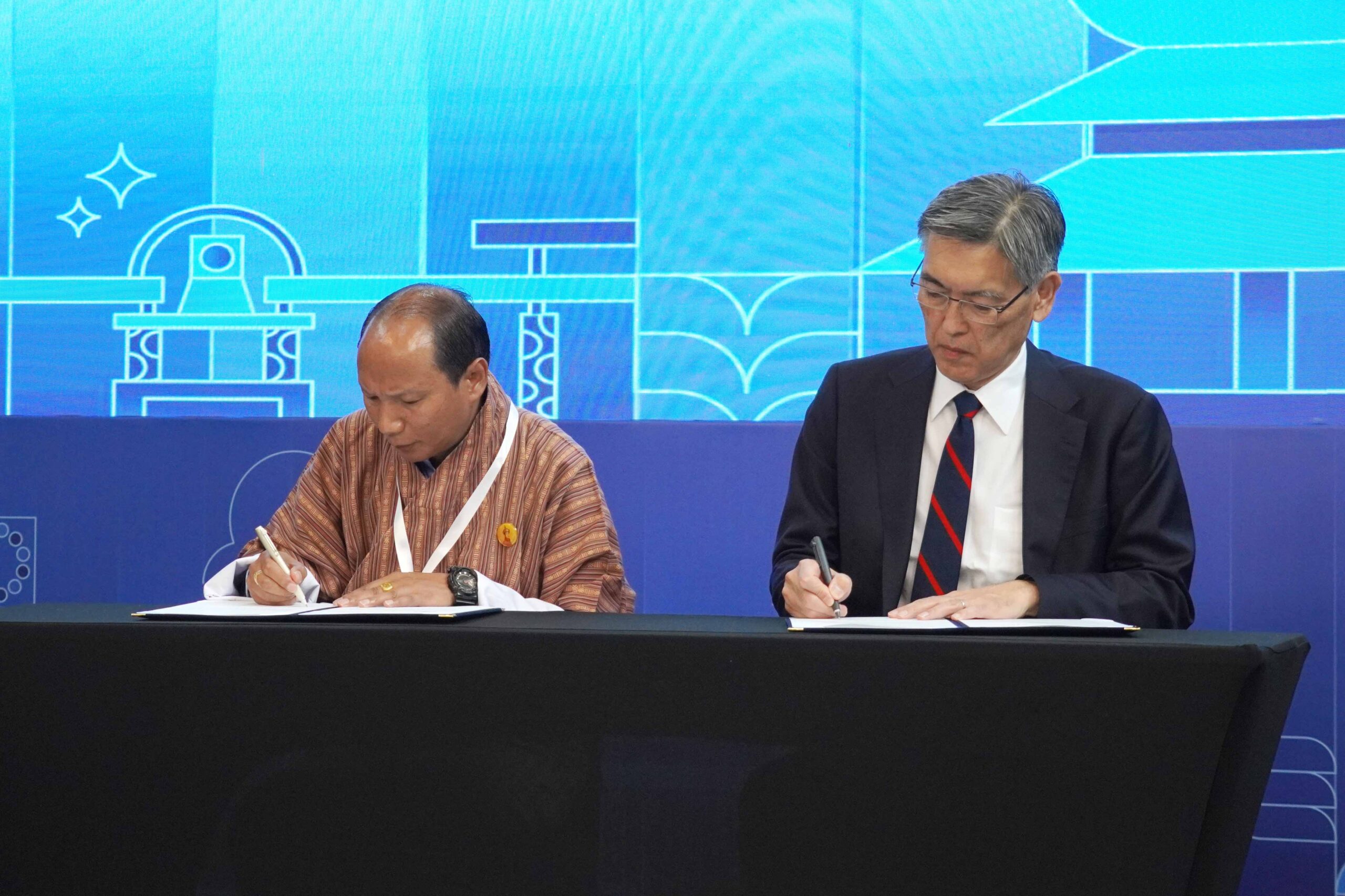
A New Partnership for the Next 30 Years: Royal University of Bhutan Joins the SOI Asia community
-
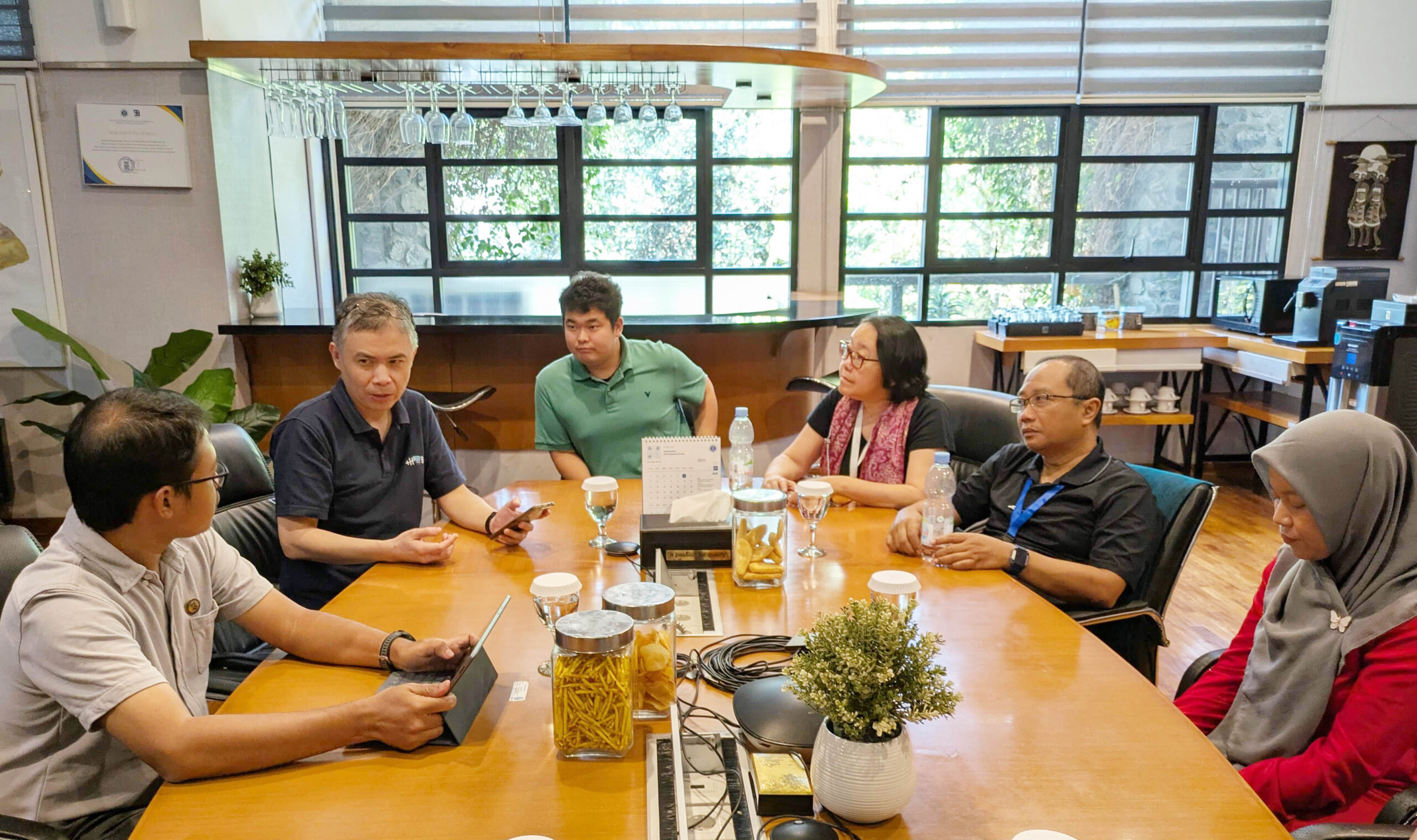
CBR 5G research team members meet at ITB
-
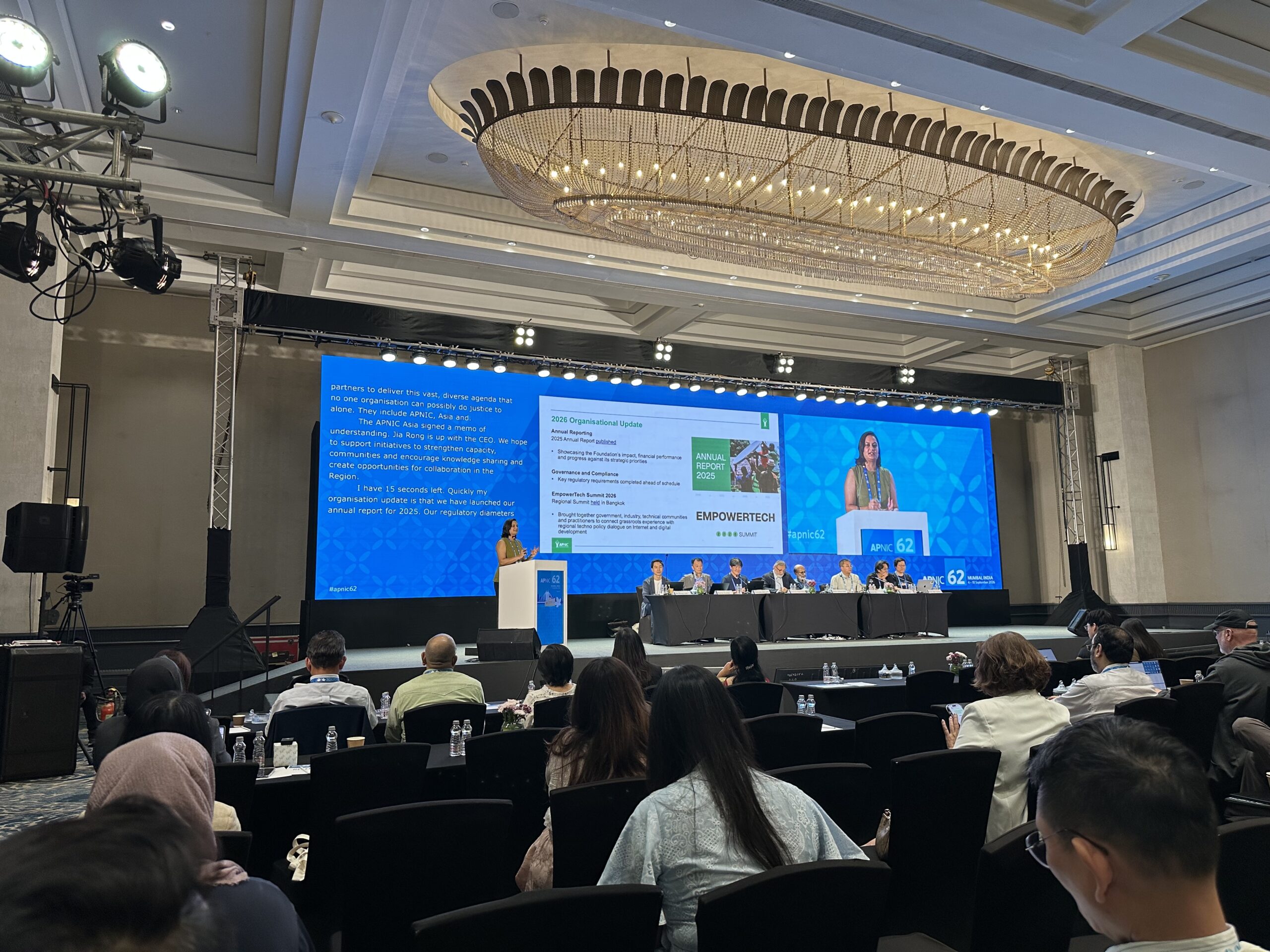
SOI Asia Engages with the Regional Internet Community at APNIC 62
-
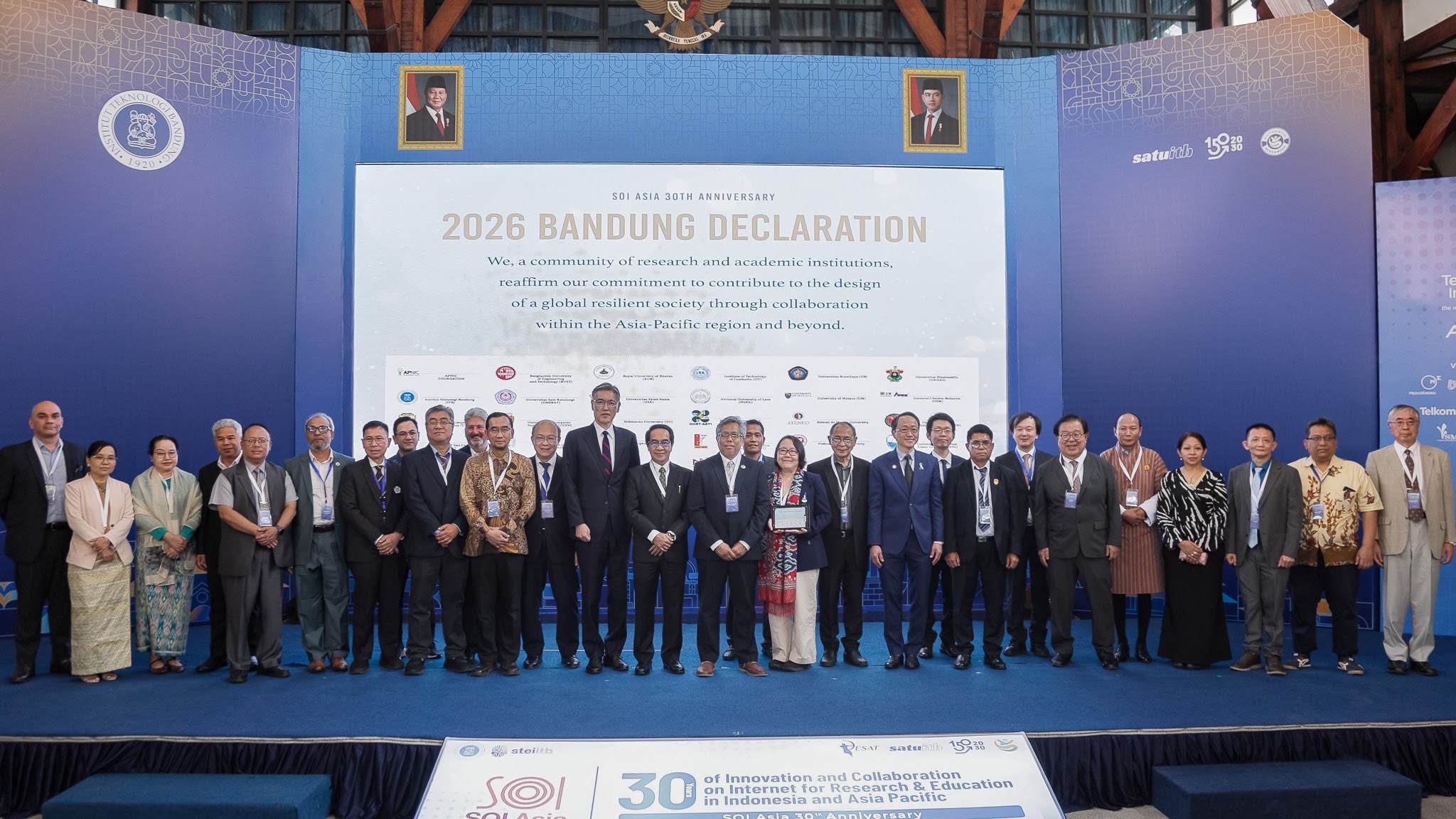
Three declarations, three decades: The evolving purpose of SOI Asia
-
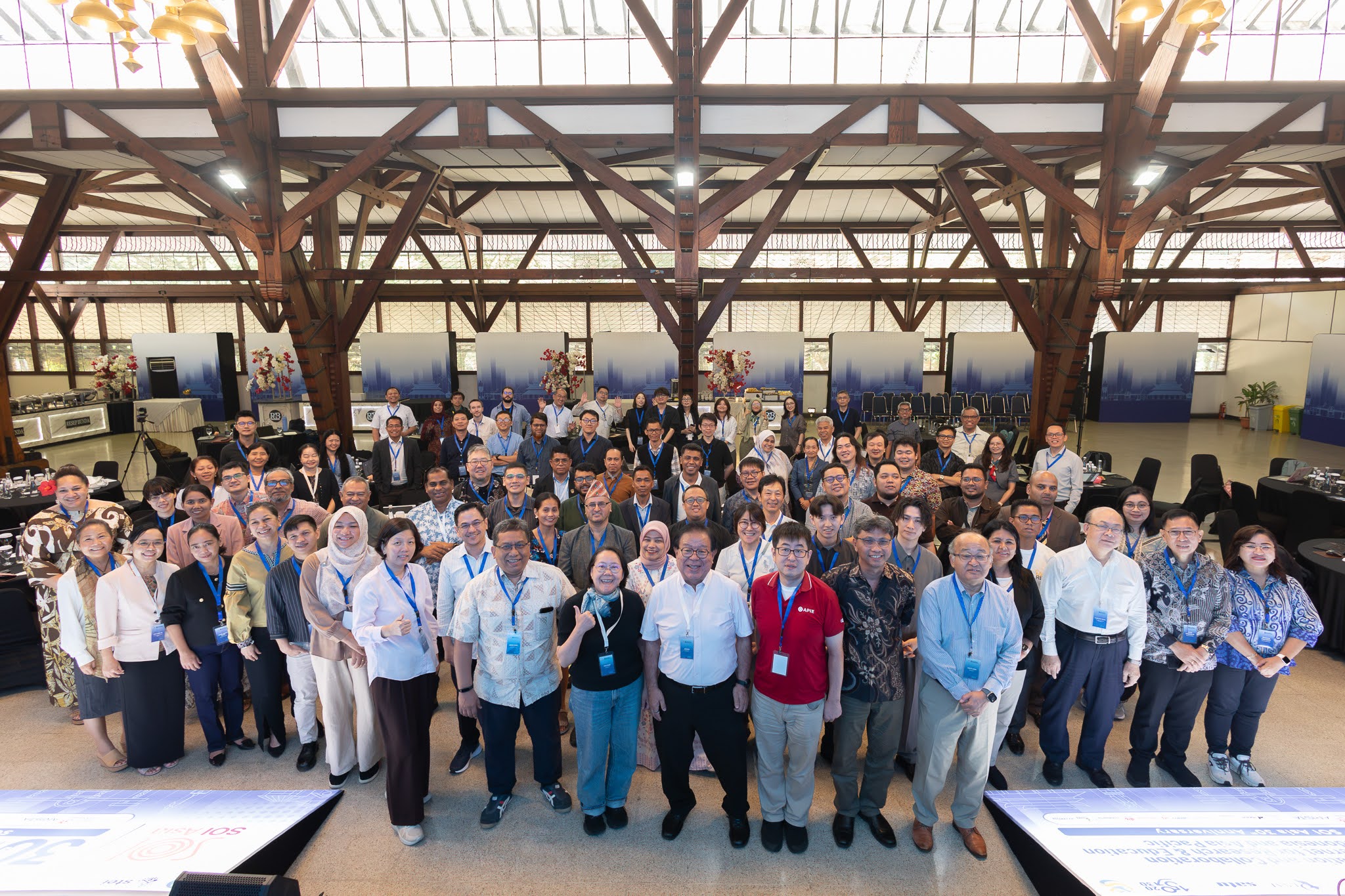
Looking towards the next 30 years: SOI Asia returns to Bandung
-
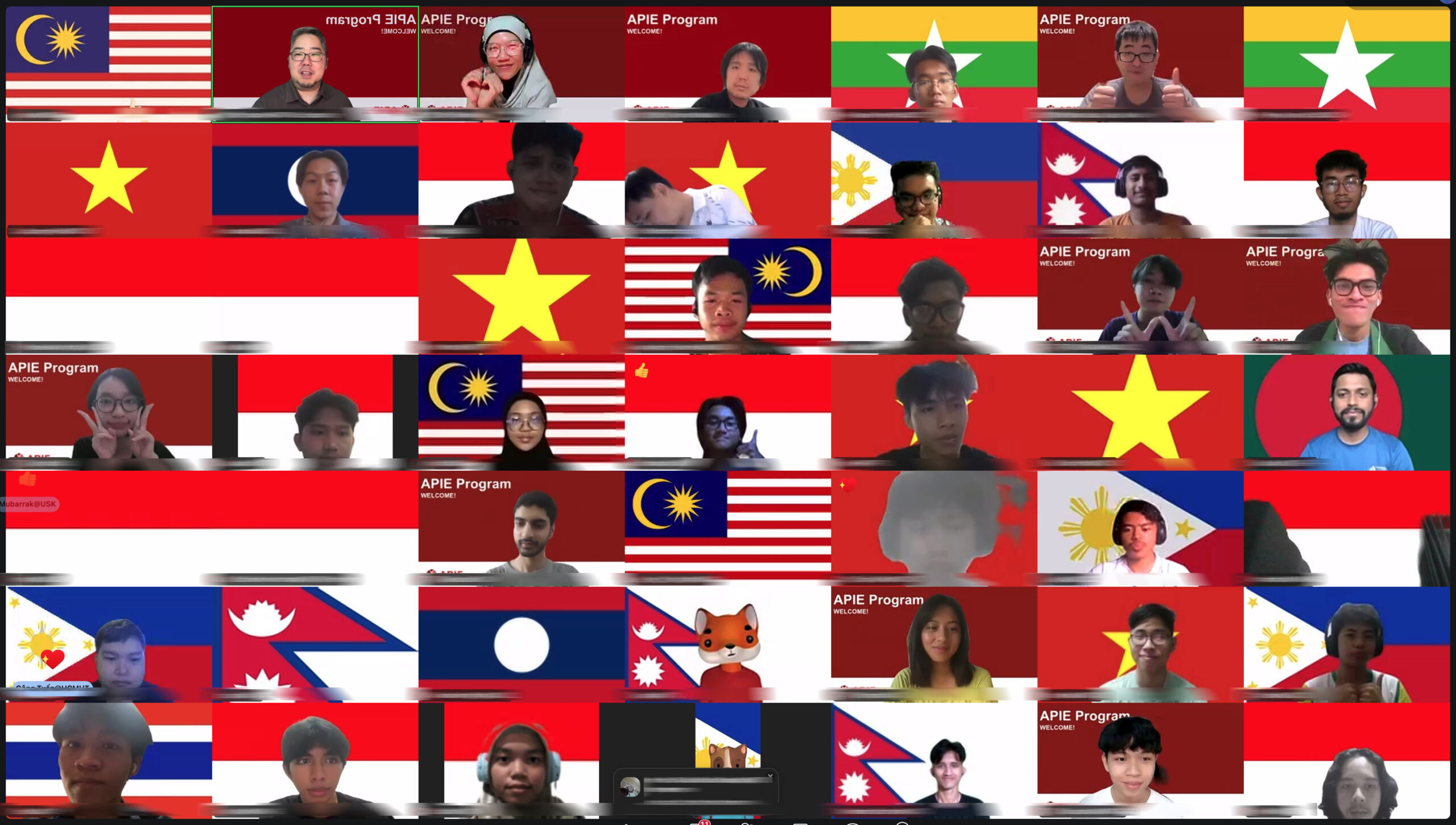
APIE Core Course Welcomes Its Largest Batch
-
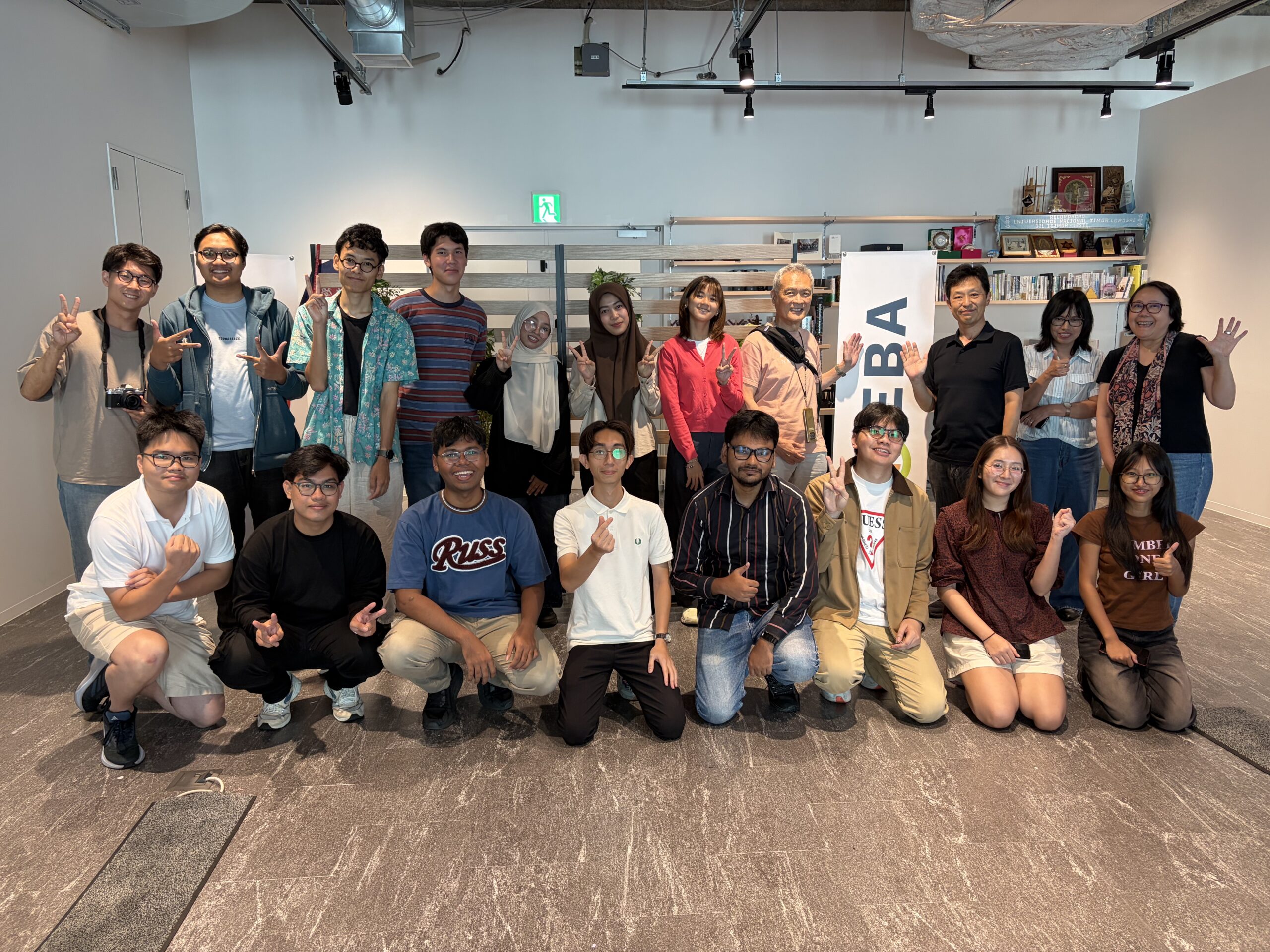
Lessons from Minamata: Strengthening Resilience to Human-Made Environmental Disasters through EBA Minamata 2026 Fieldwork
-
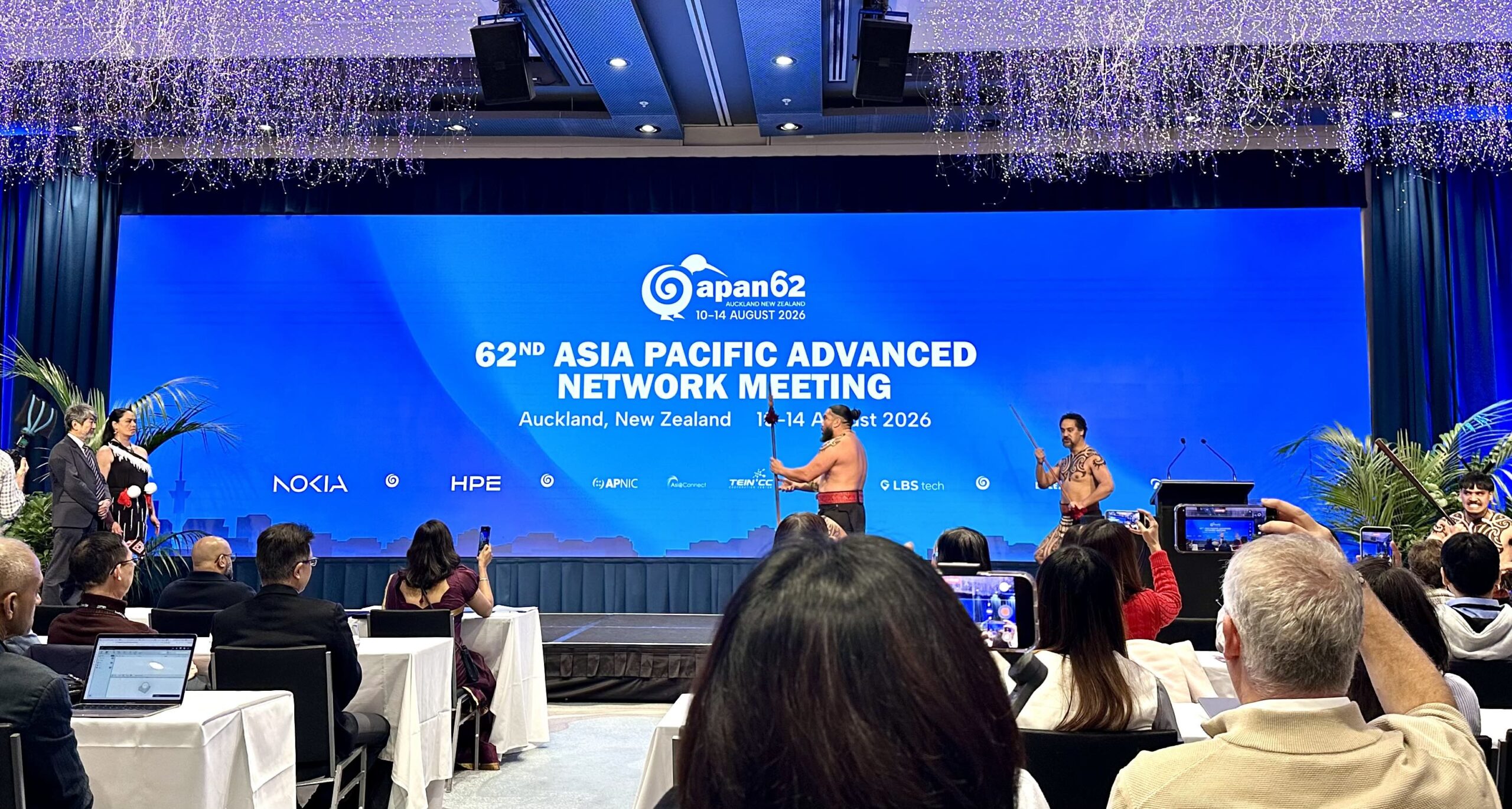
Connecting Across Borders: SOI Asia and SOI Pacific at APAN 62
-
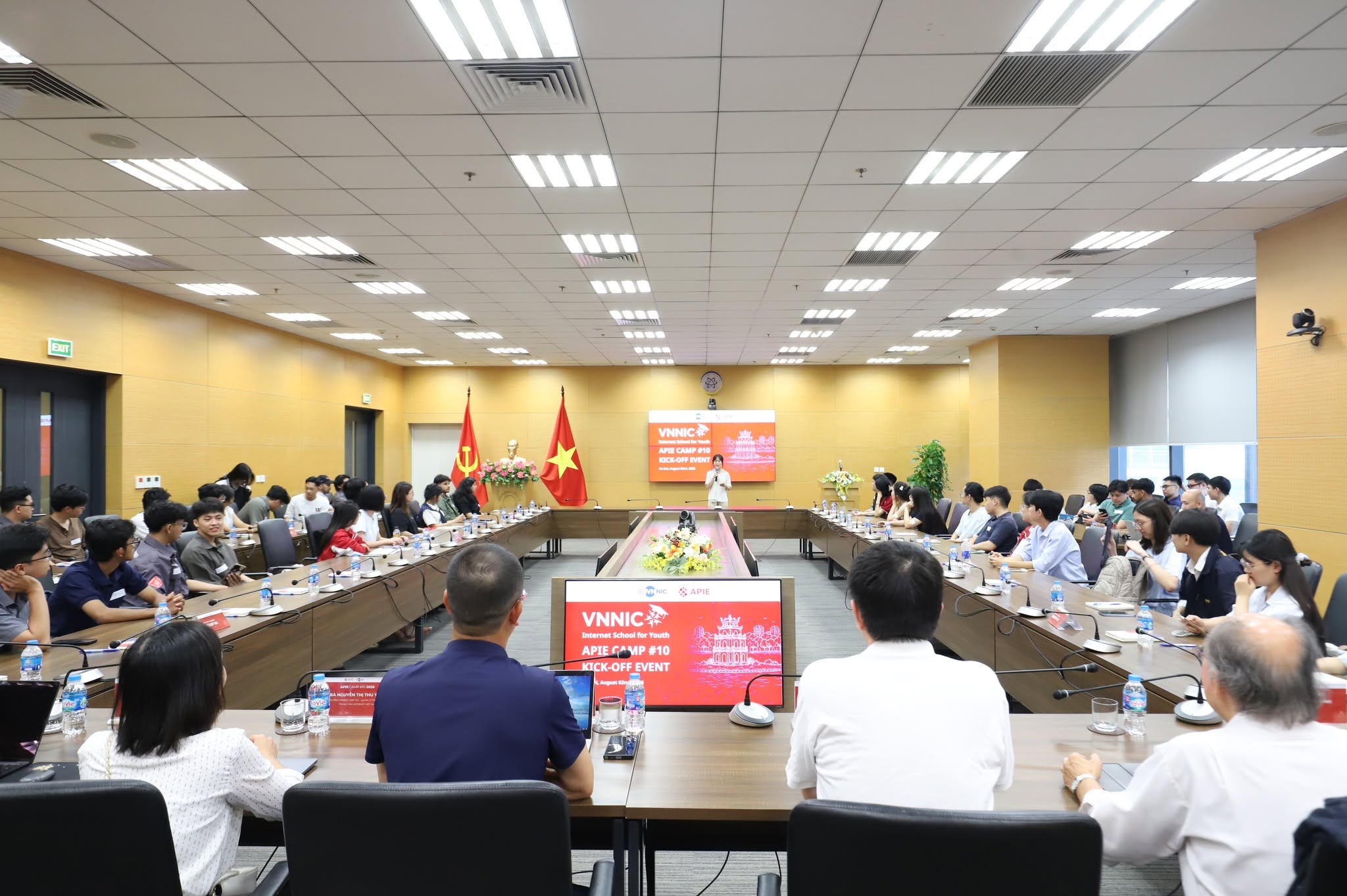
Building Opportunities Through Partnership: VNNIC Hosts APIE Camp 2026 Kick-off
-
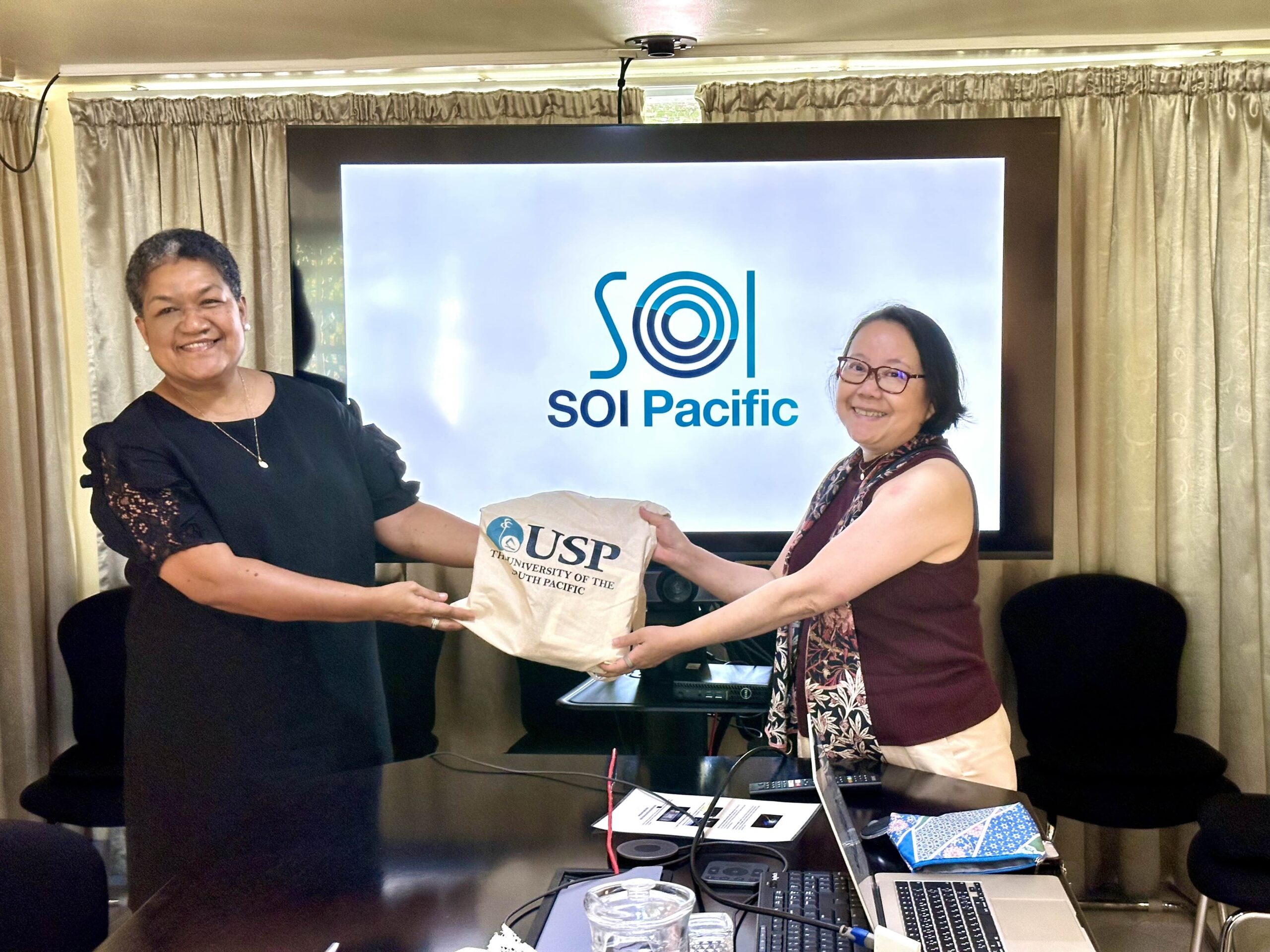
SOI Pacific Strengthens Regional Partnerships During Visit to Fiji
-
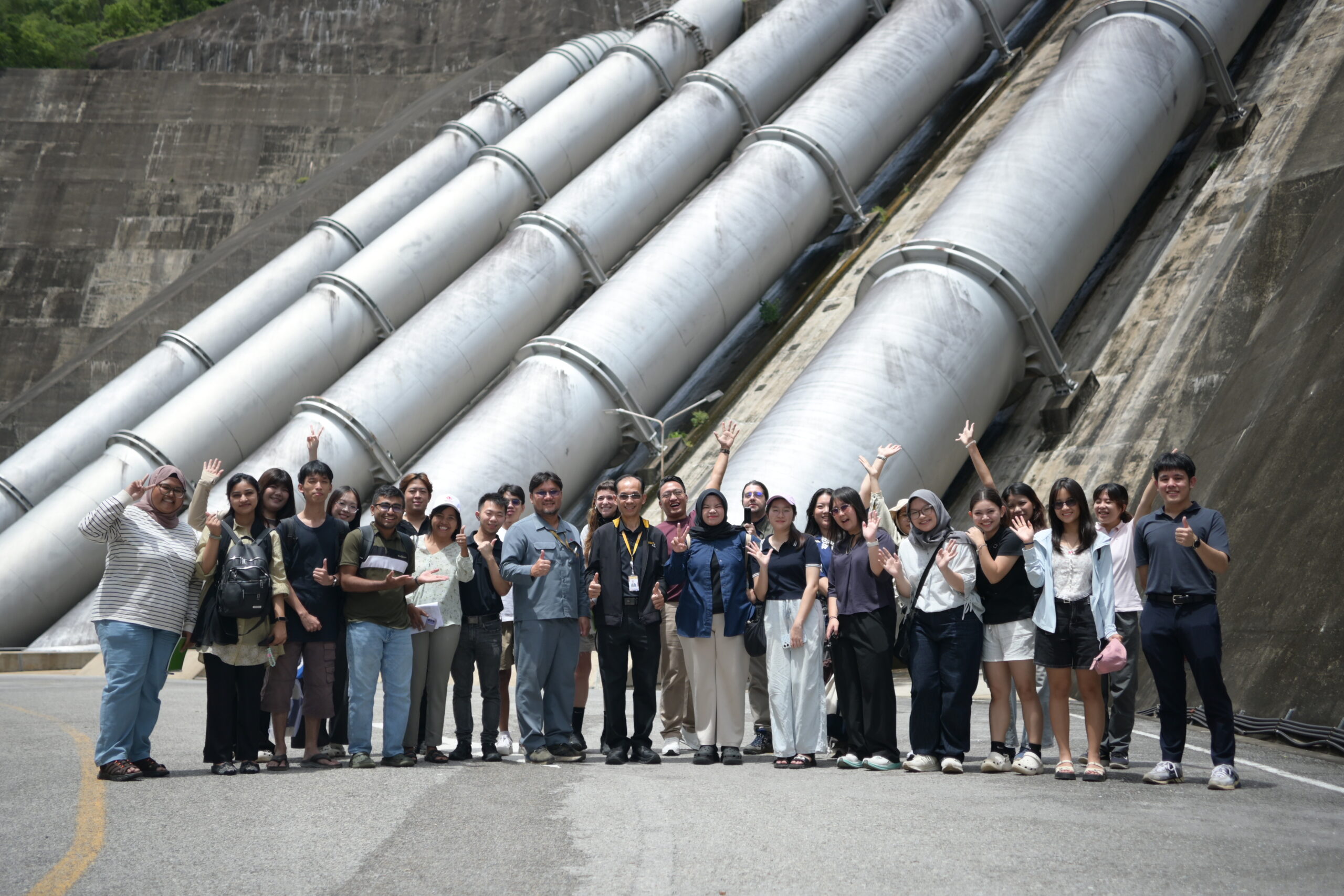
Designing Strategies for Resilience with Nature and People at the EBA KRI Thailand Fieldwork in Kanchanaburi
-
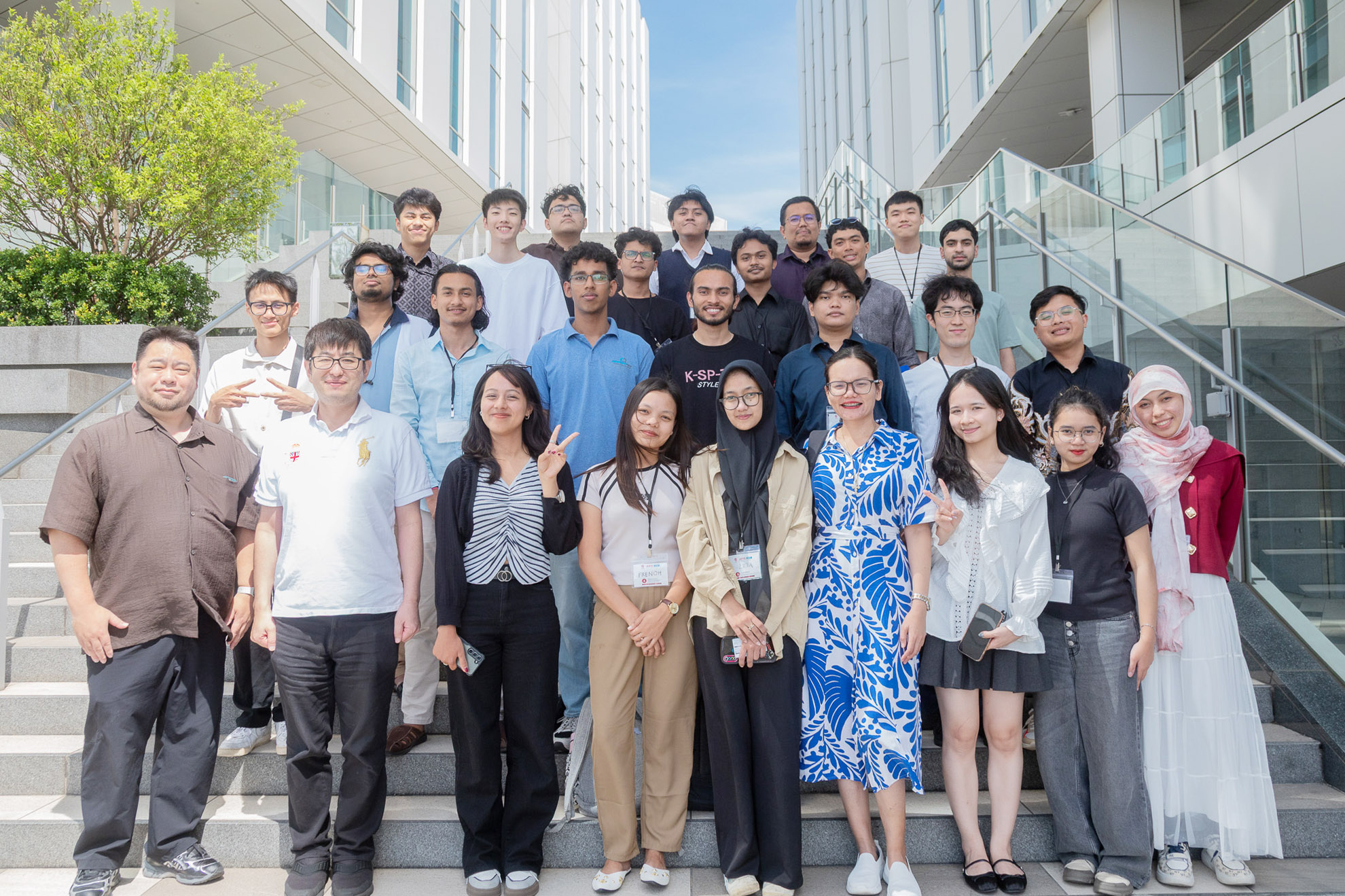
APIE Advanced Camp #04 Brings Emerging Internet Engineers Together at the SOI Asia Haneda Campus
-

Participating in the Internet: A New Learning Path for Future Internet Participants
-
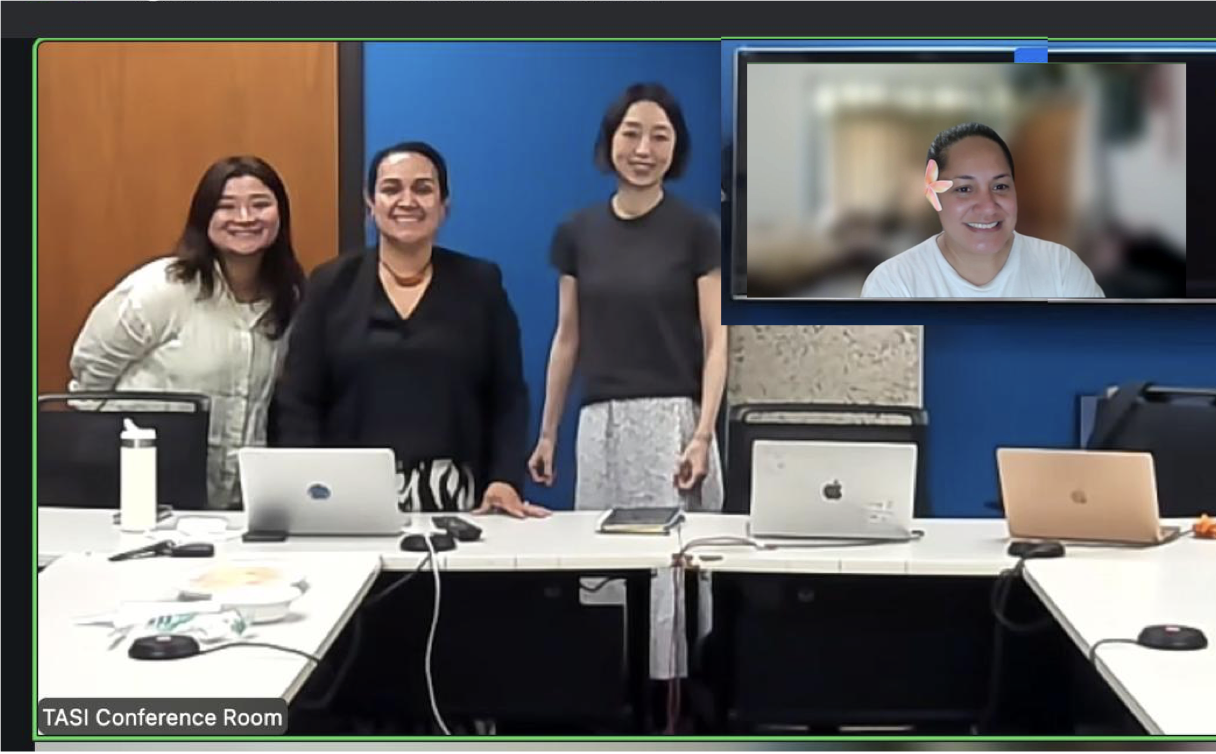
Keio and UH Strengthen Collaboration for a Connected and Resilient Pacific
-
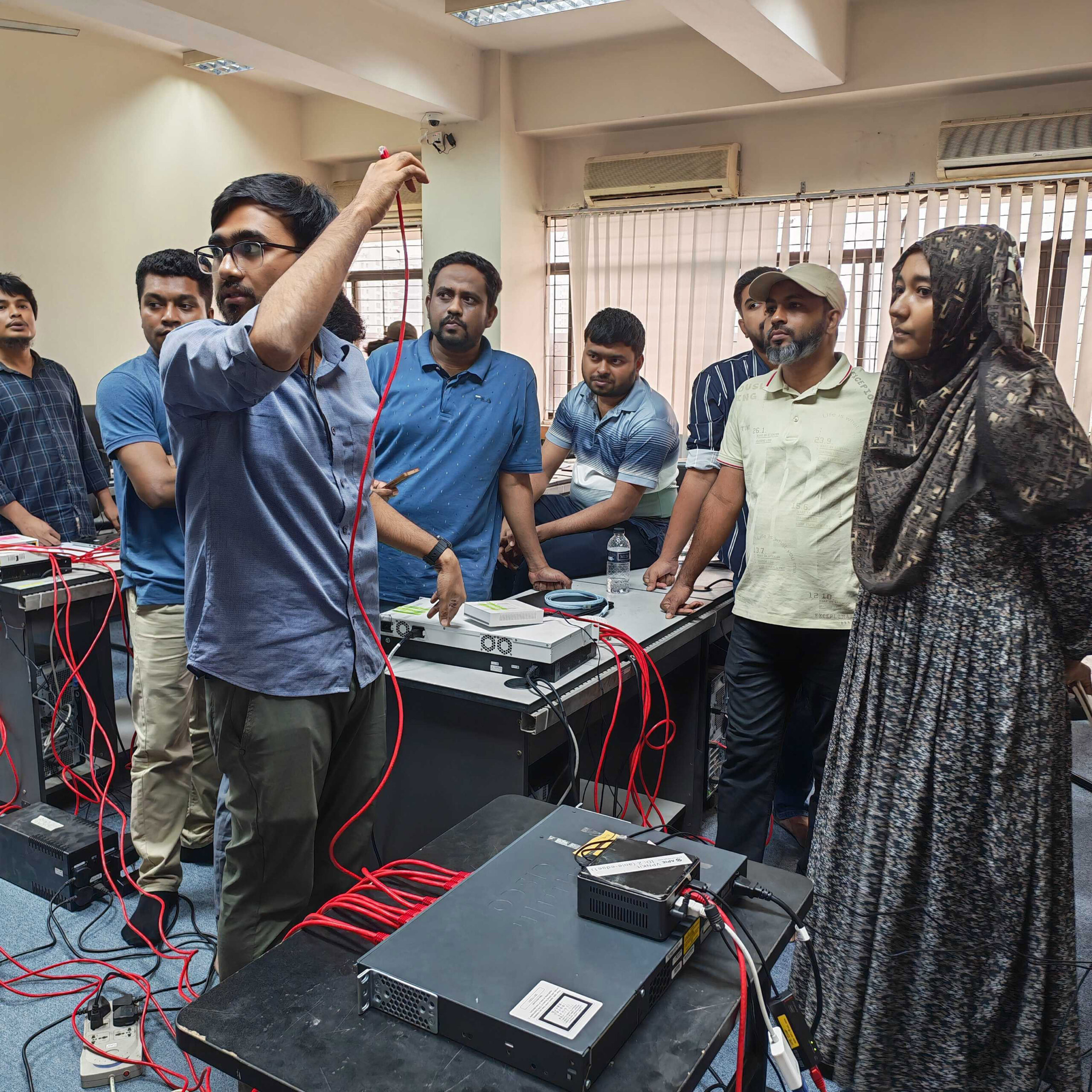
BUET’s APIE Local Camp Reflects Growing Partner Leadership
-
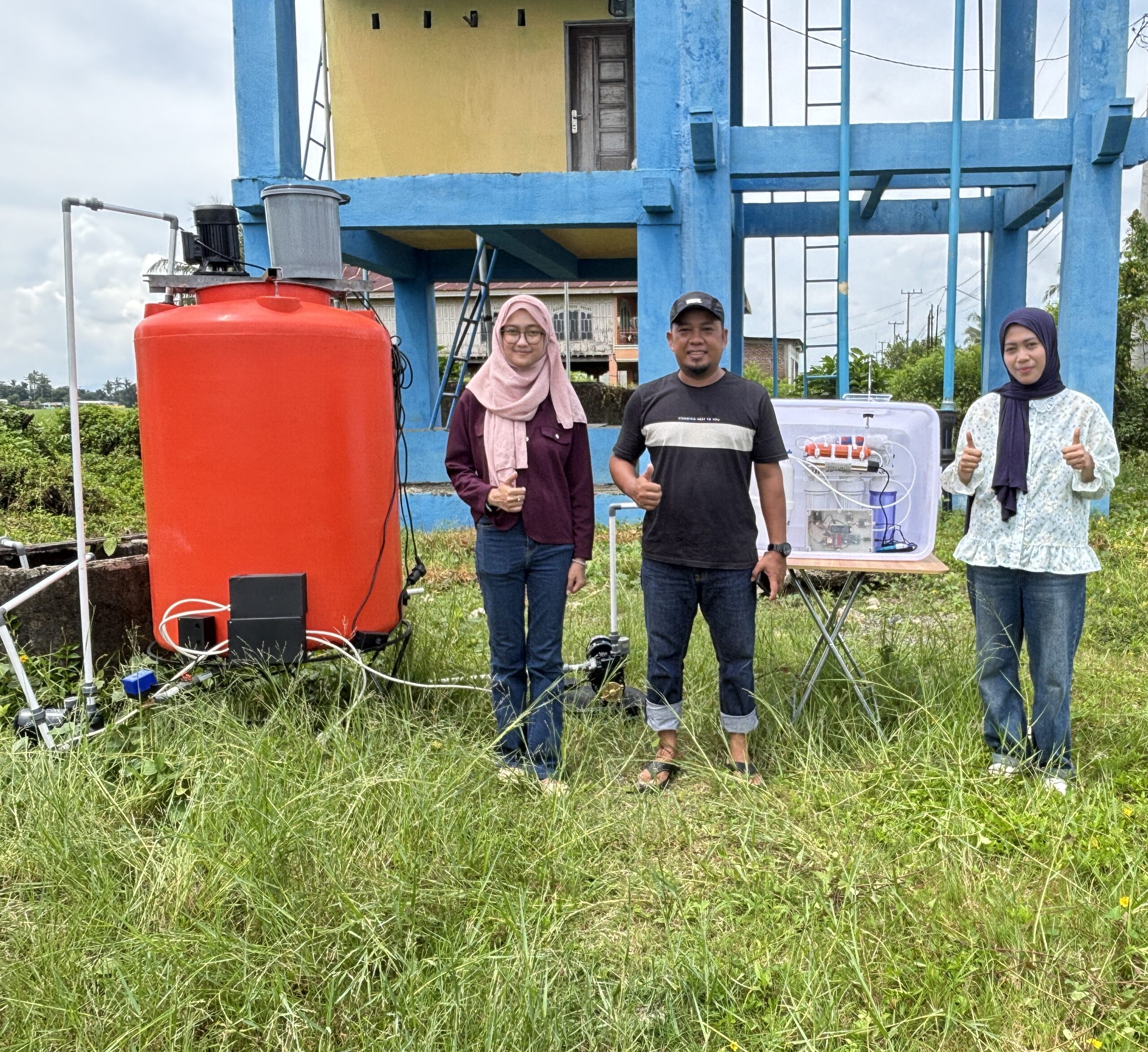
From Learning to Action: CBR Seed Batch #01 Concludes with Real-World Research Projects
-
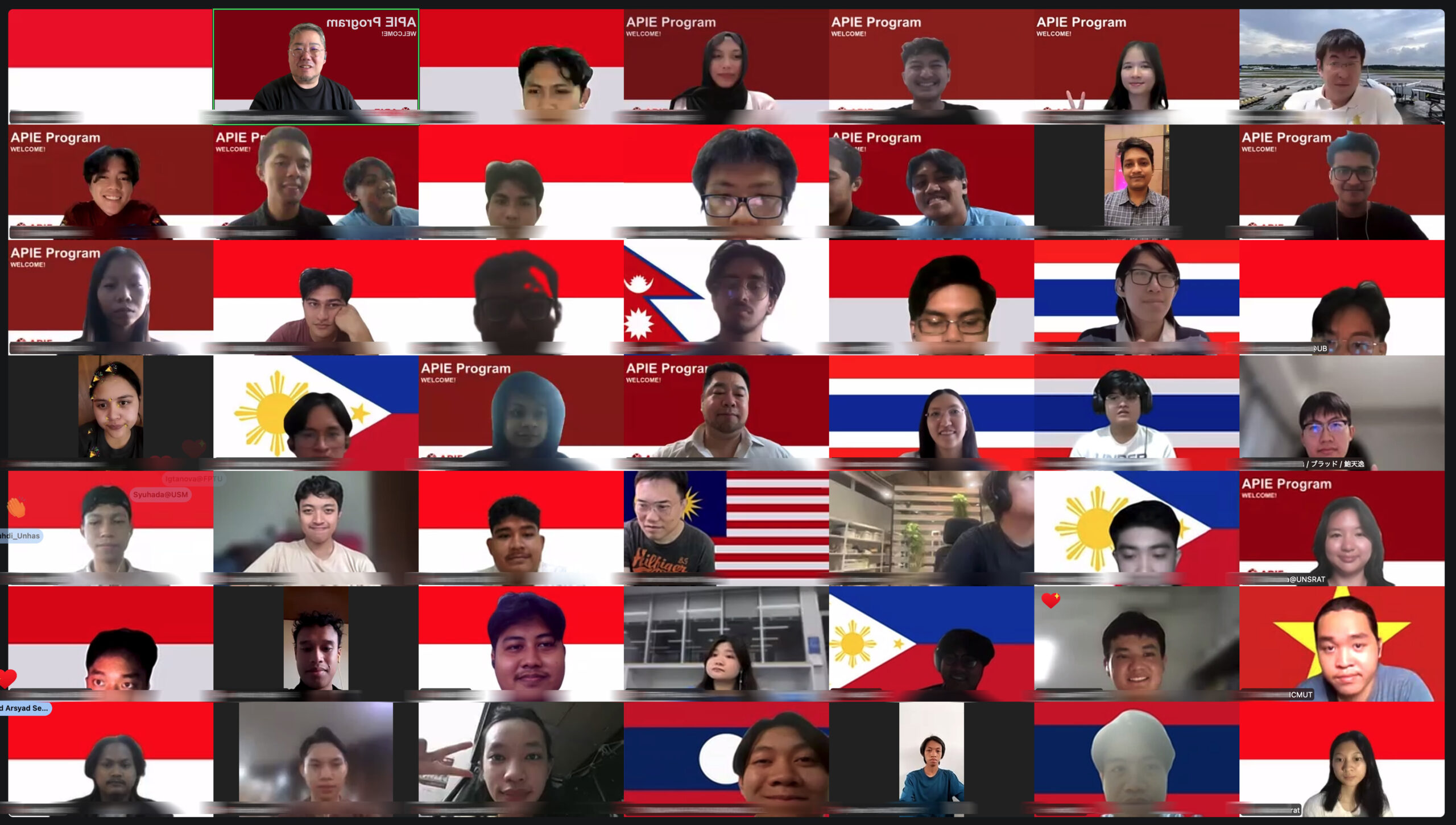
APIE Batch 8 Concludes with Alumni-Led e-Workshop Session
-
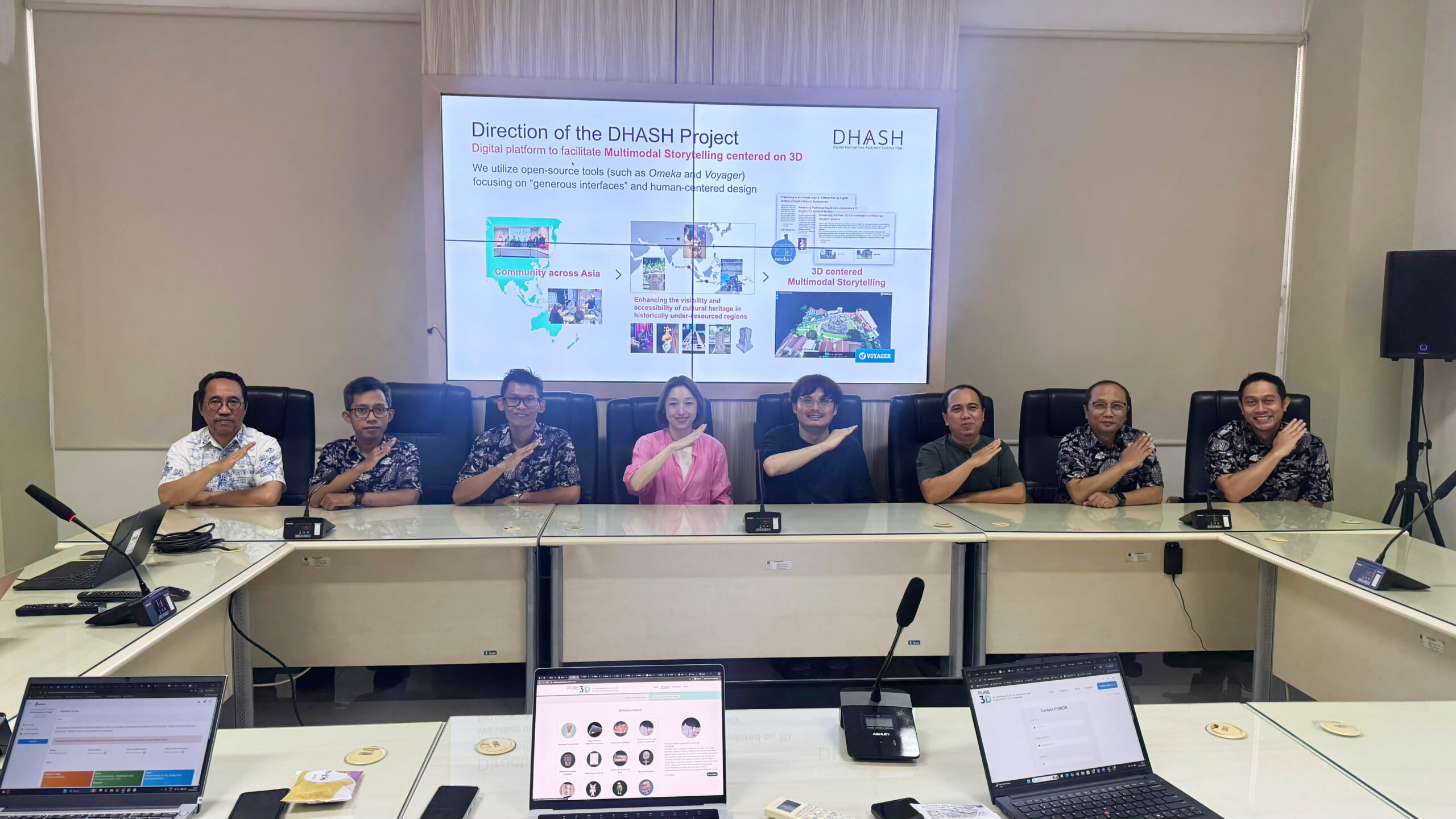
Keio and UB Team Meeting to Strengthen Open Science for Cultural Heritage Preservation
-
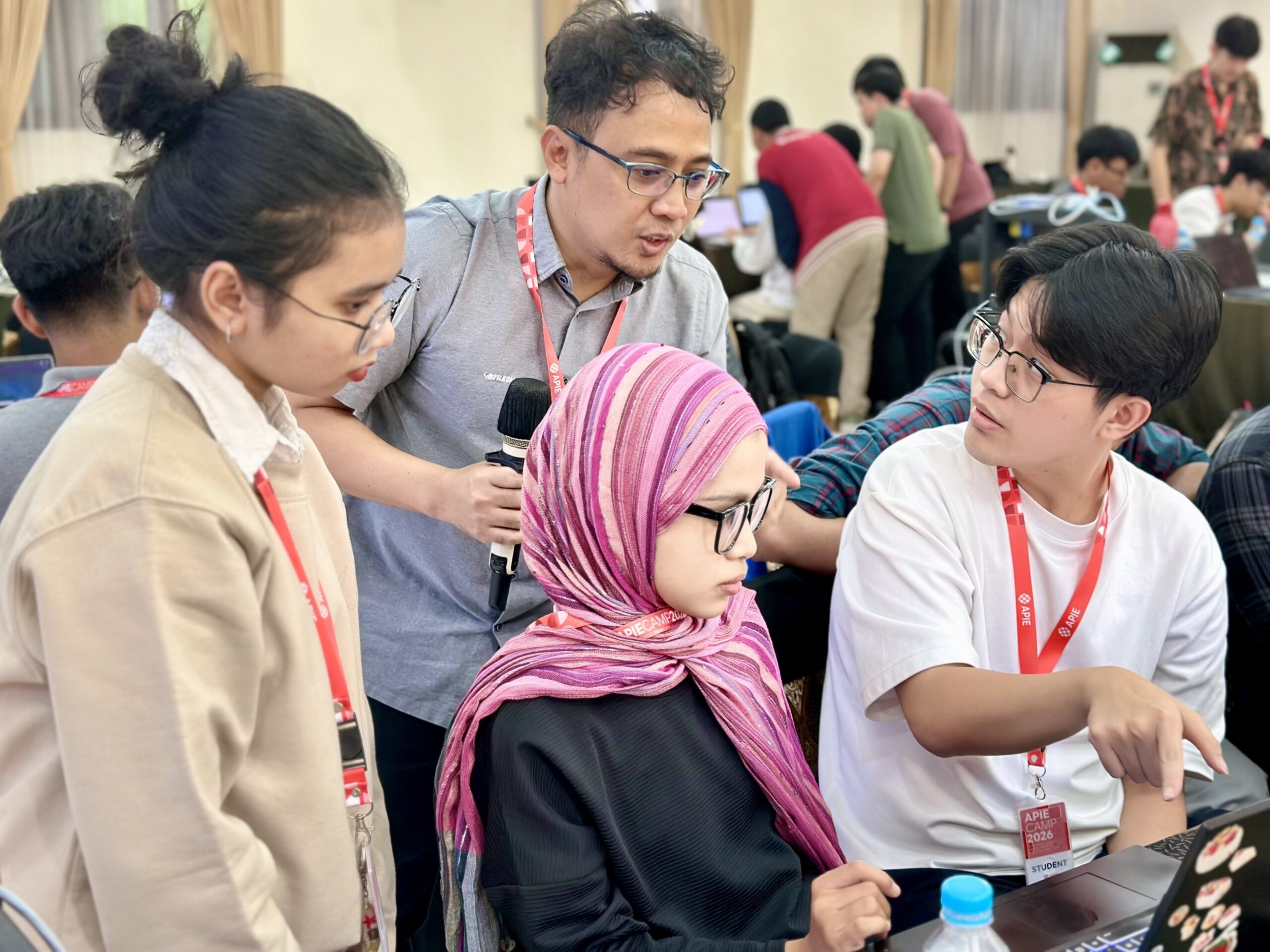
APIE Camp #09 in UB: Hands-on Learning Across the Region
-
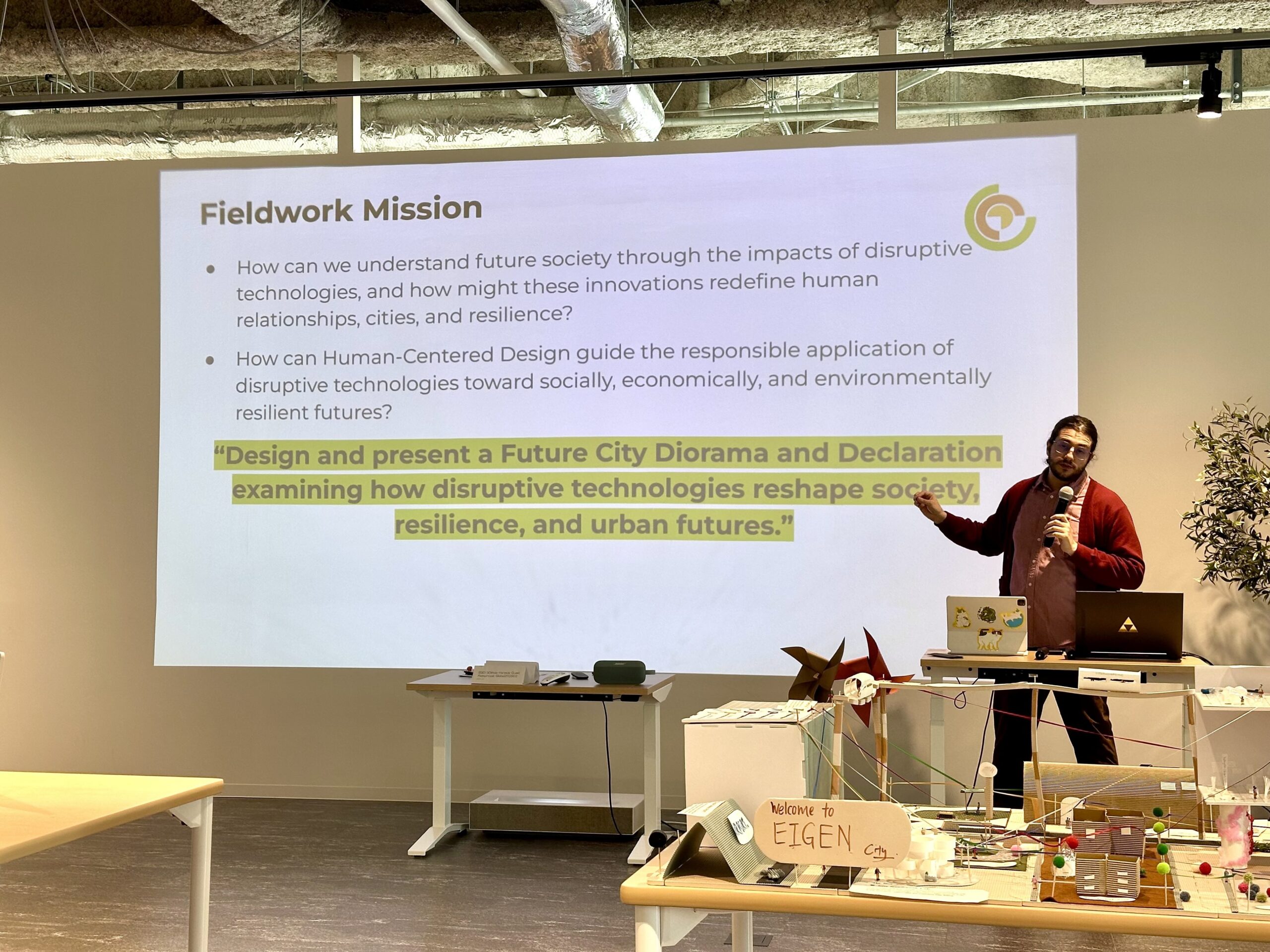
Imagining the Future Society at the EBA Innovation City Fieldwork in Tokyo
-
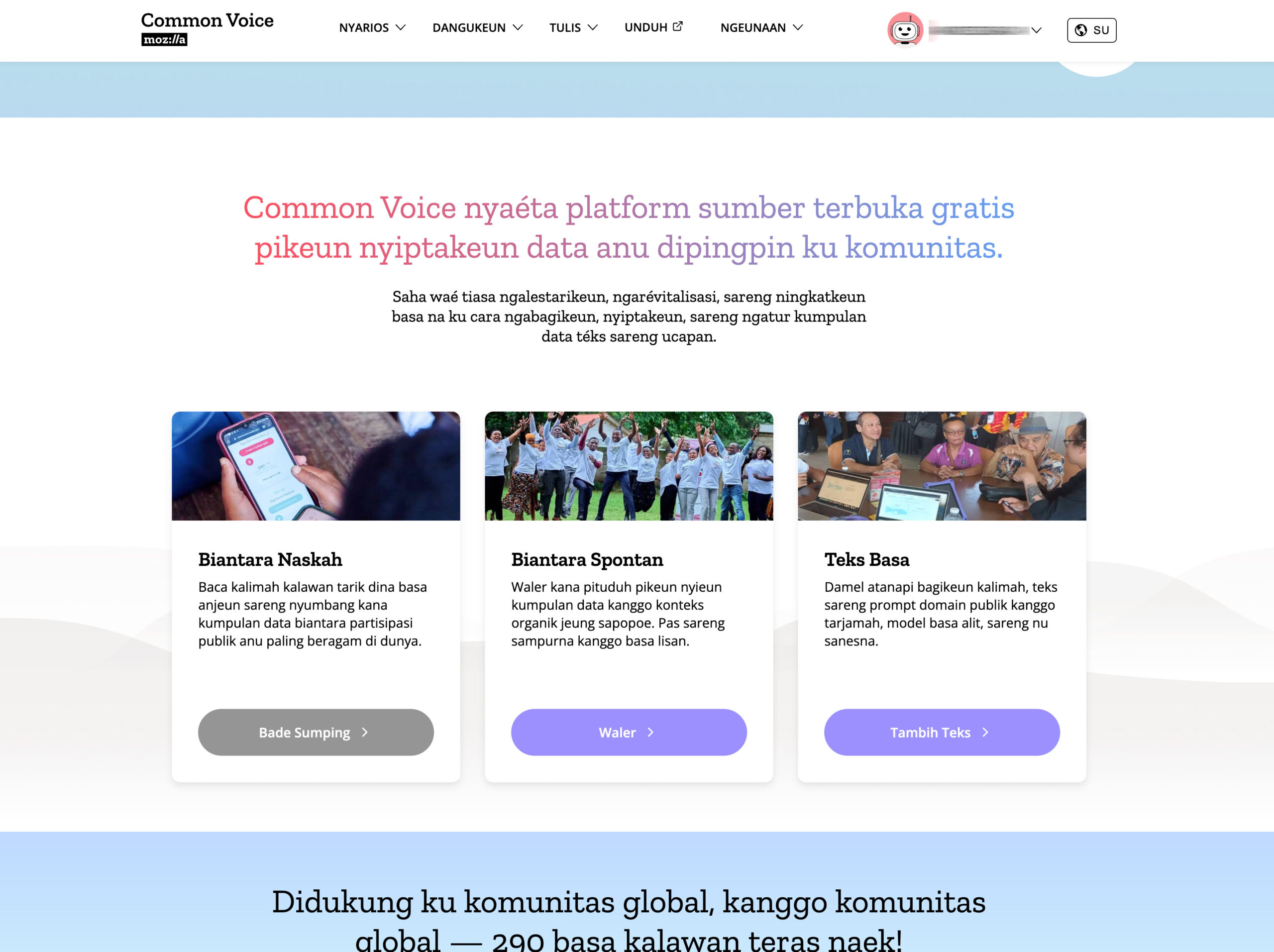
Bringing Javanese and Sundanese into the Digital Voice Ecosystem
-
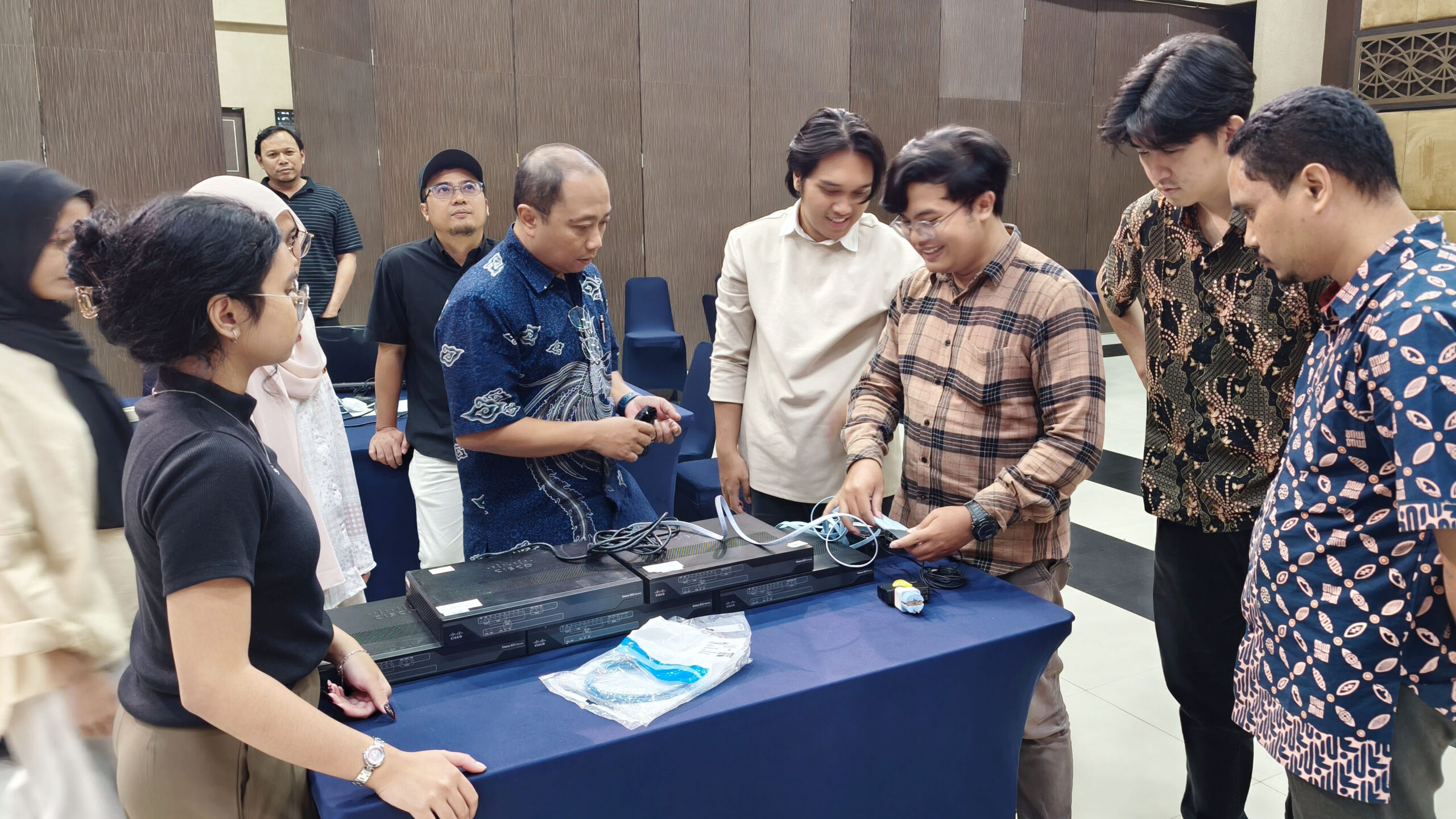
Enriching the APIE Learning Pathway: Advanced BGP and Wi-Fi Training
-
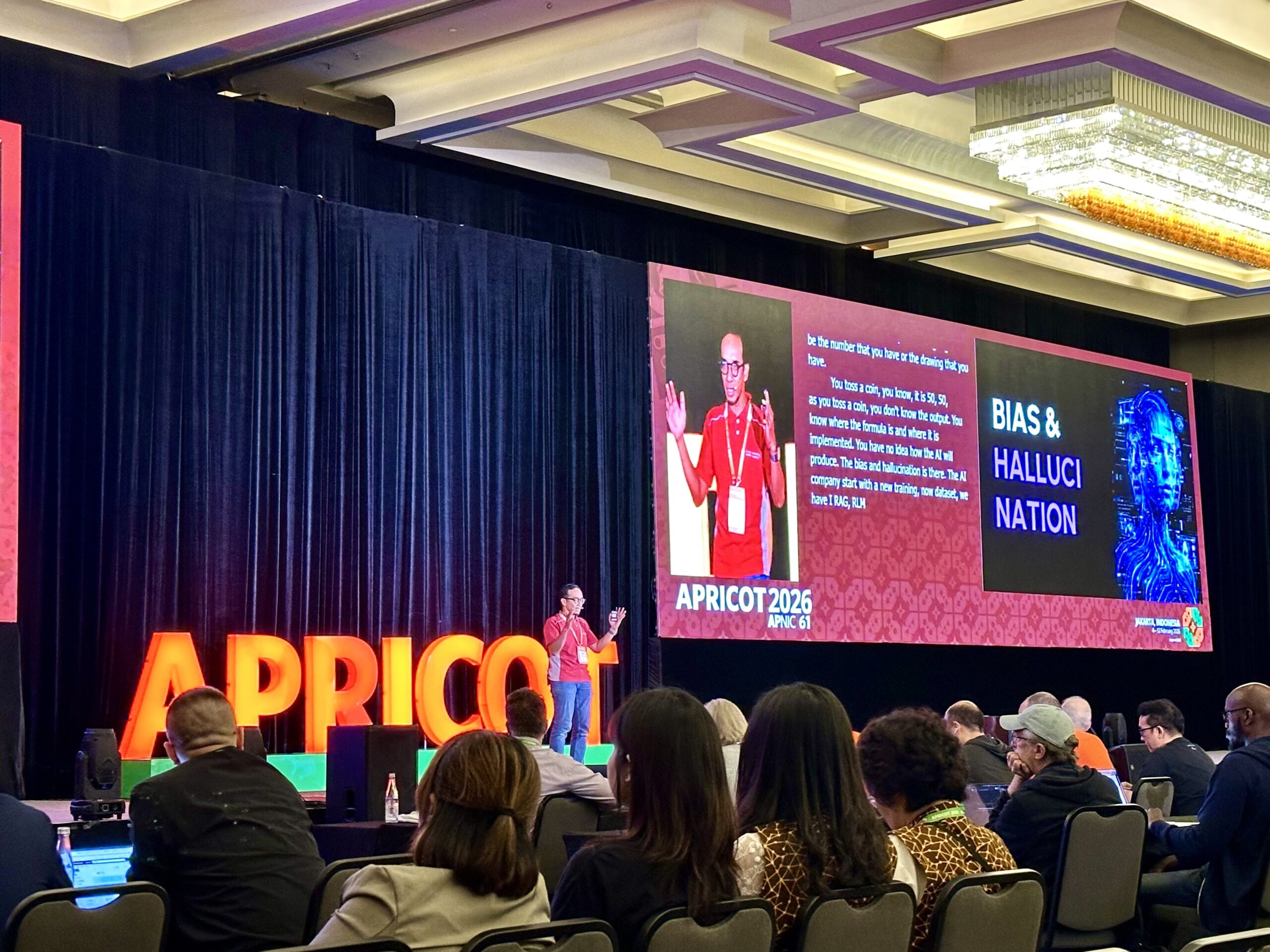
SOI Asia at APRICOT 2026: Community, Coordination, and Advanced Learning
-
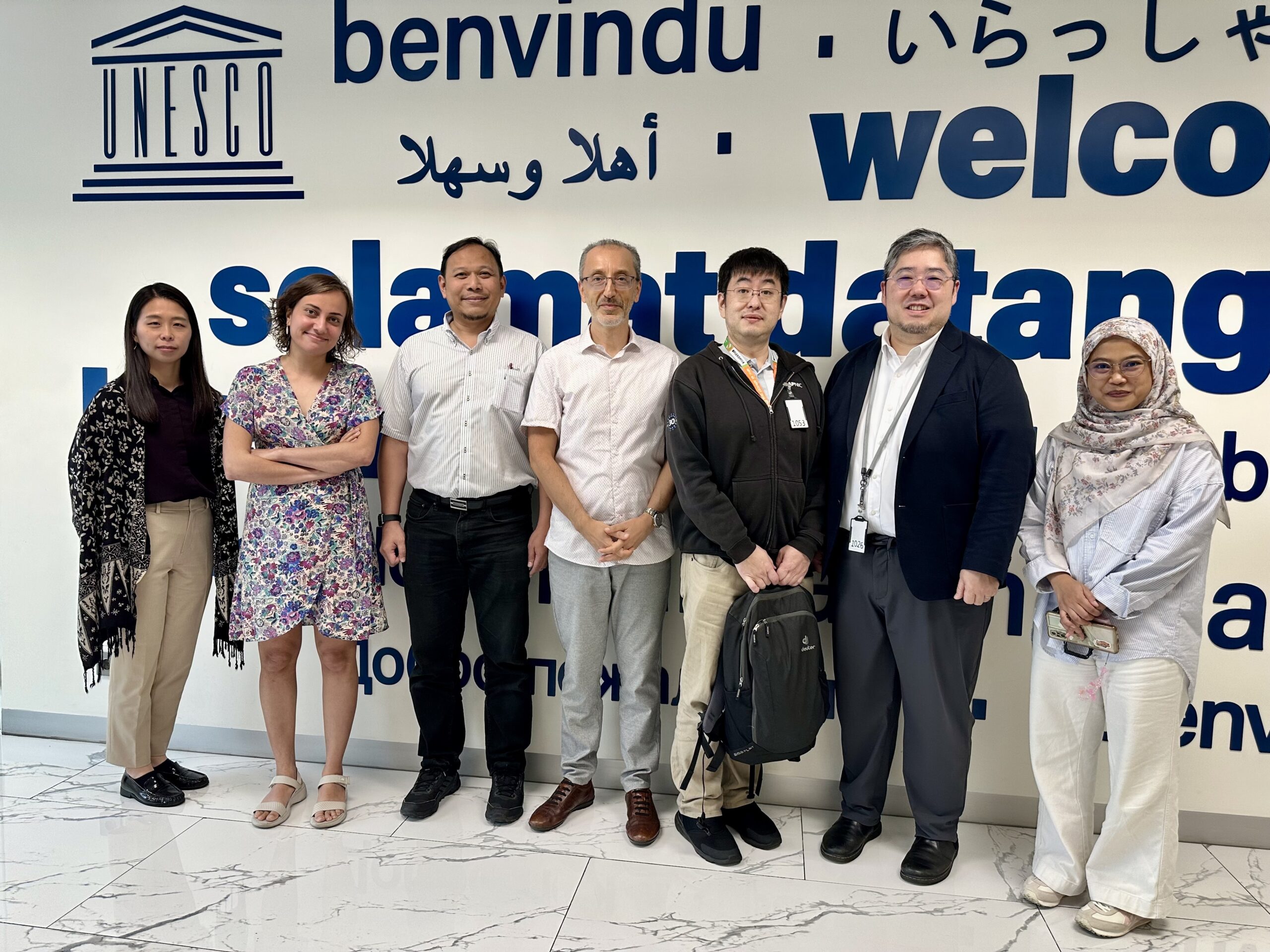
SOI Asia Meets UNESCO: Continuing Dialogue on Open Science and Digital Collaboration
-
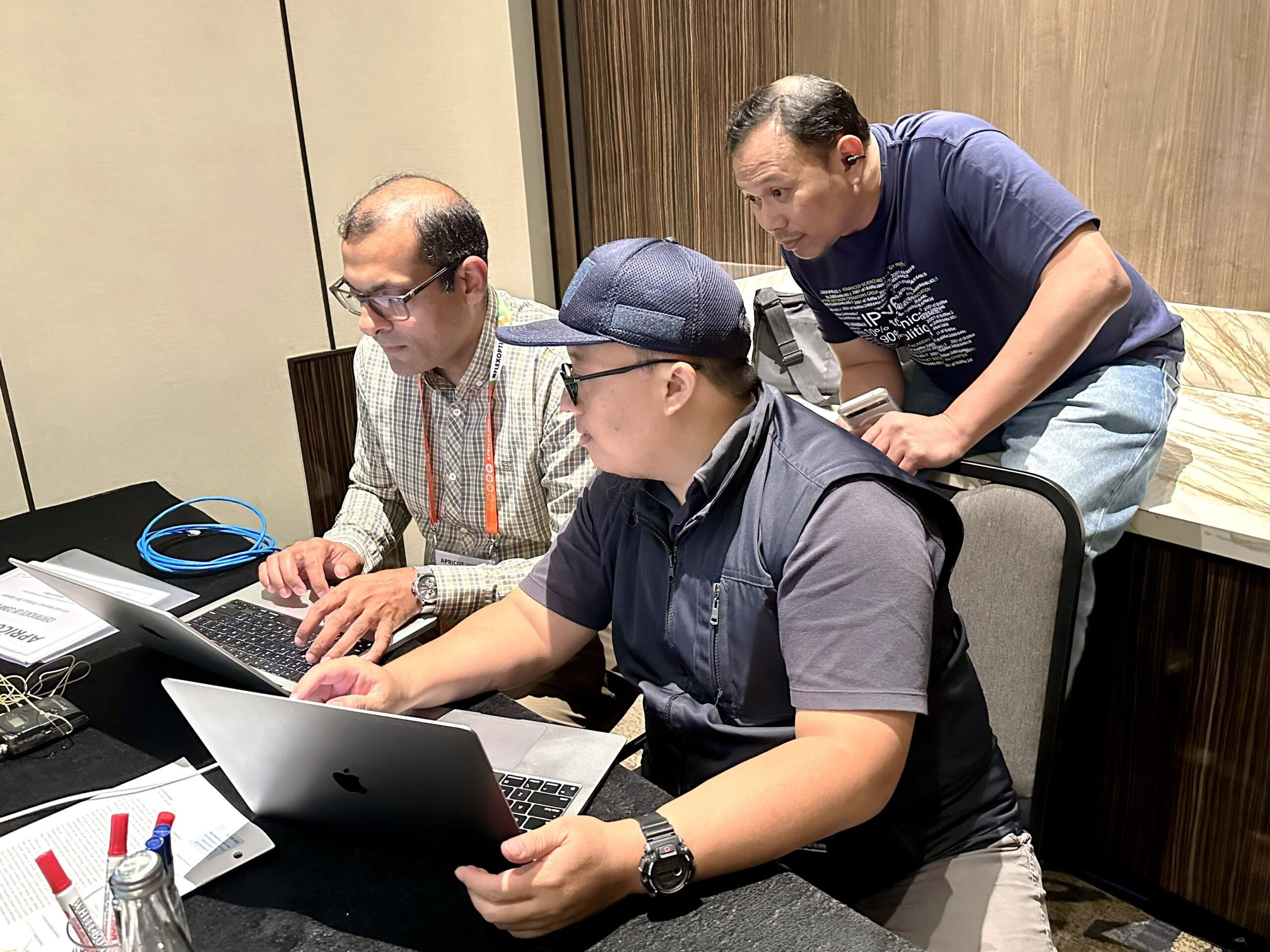
Inxignia Digital Badges Adopted at APRICOT 2026 Masterclasses
-
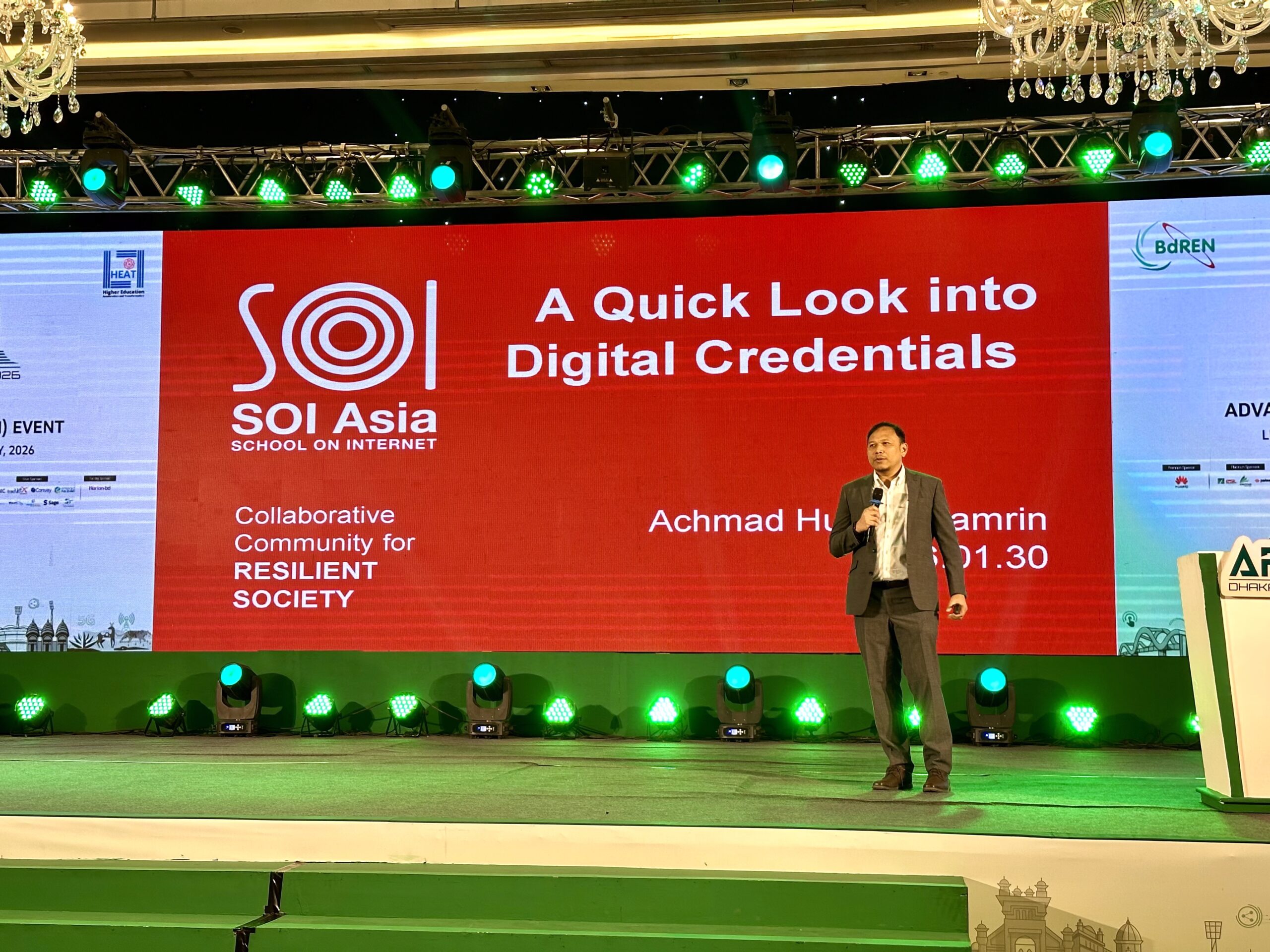
SOI Asia at APAN 61: Engagements in Learning Pathways, Credentials, and Community
-
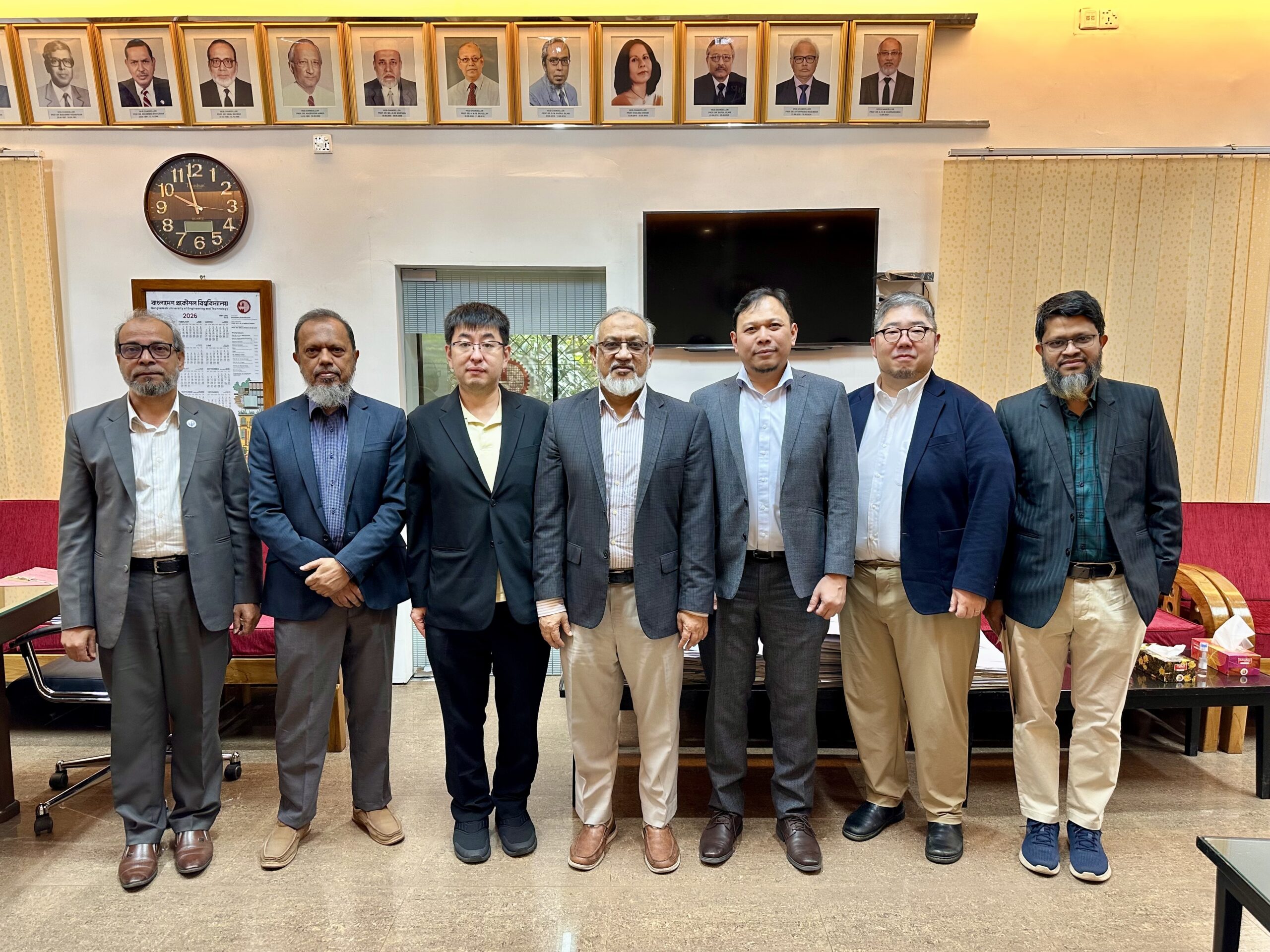
SOI Asia at BUET: Building on Active Collaboration
-
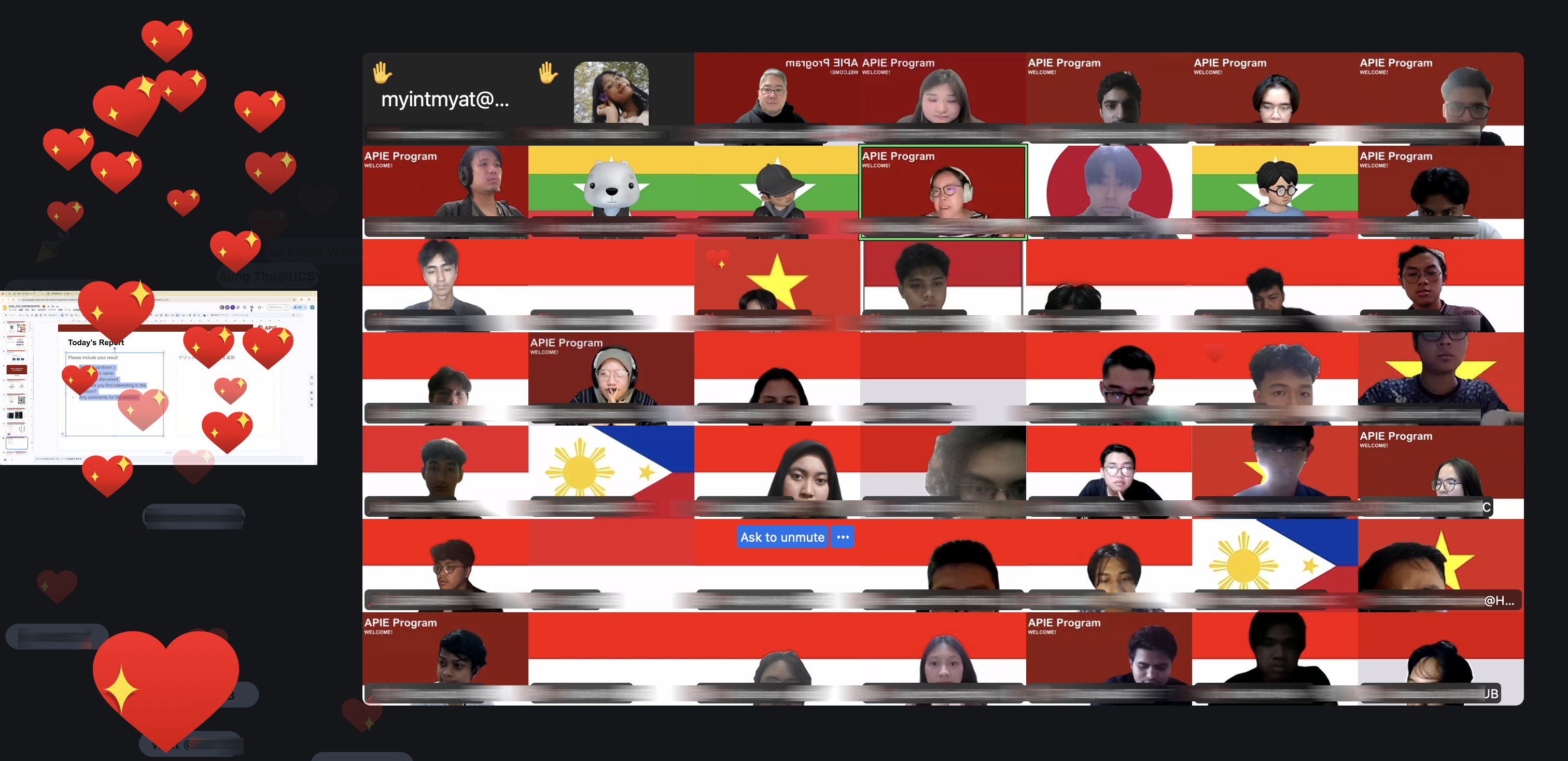
APIE Core Course Batch 8 Begins with First e-Workshop
-
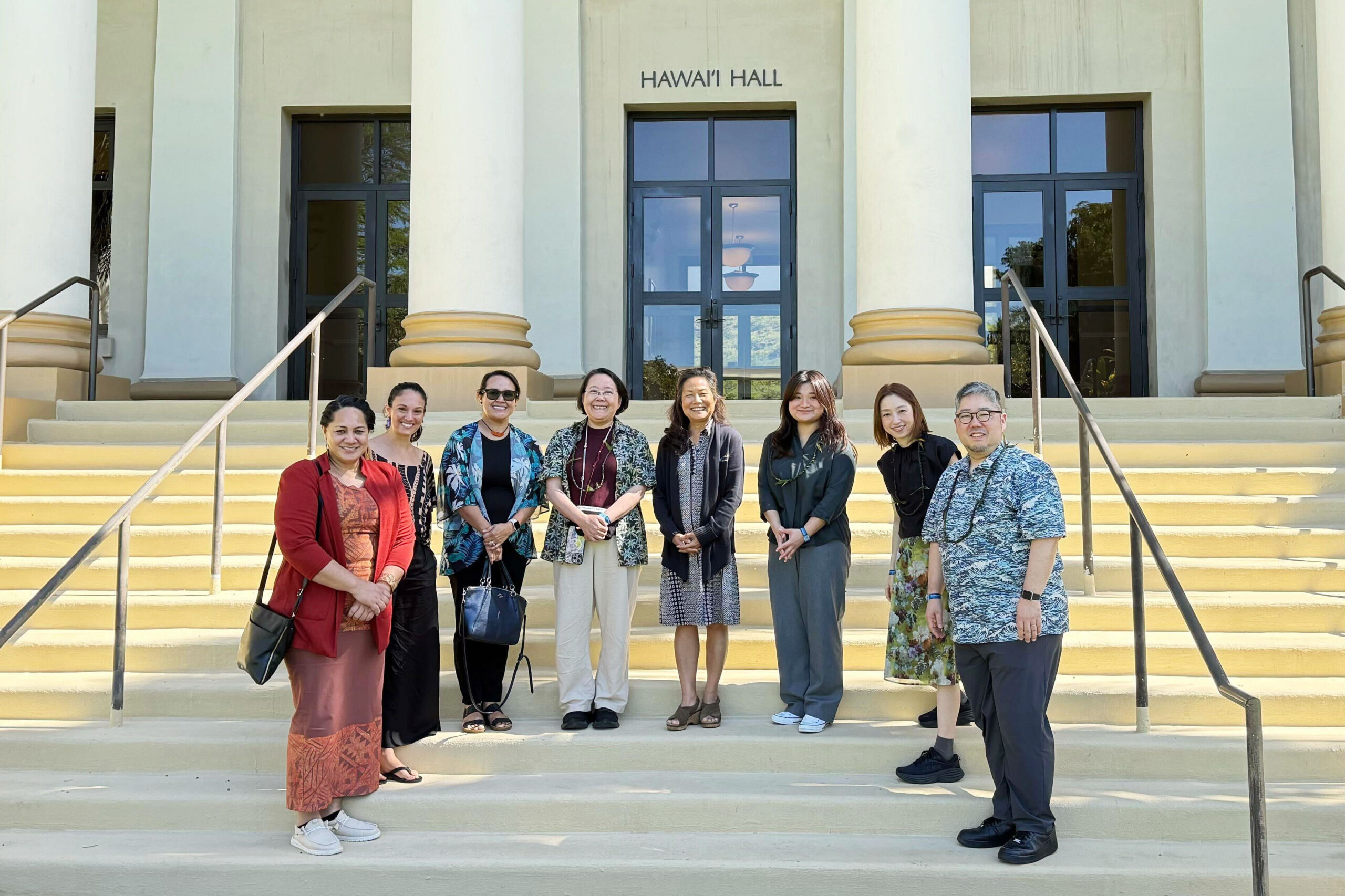
SOI Asia and UH Commit to Designing a Connected and Resilient Pacific
-
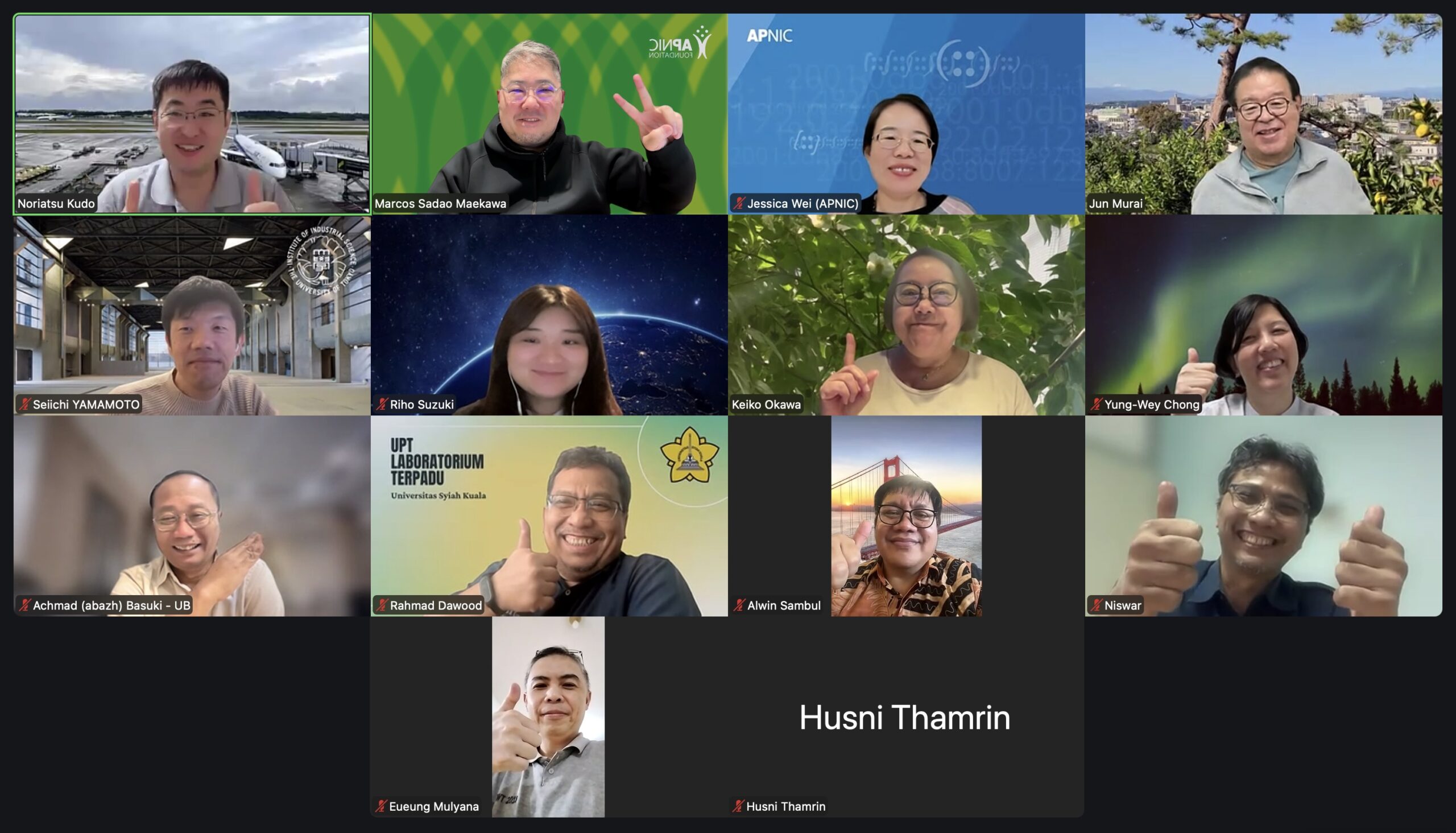
APIE Advisory and Curriculum Committees: Reflections on the Next Phase
-
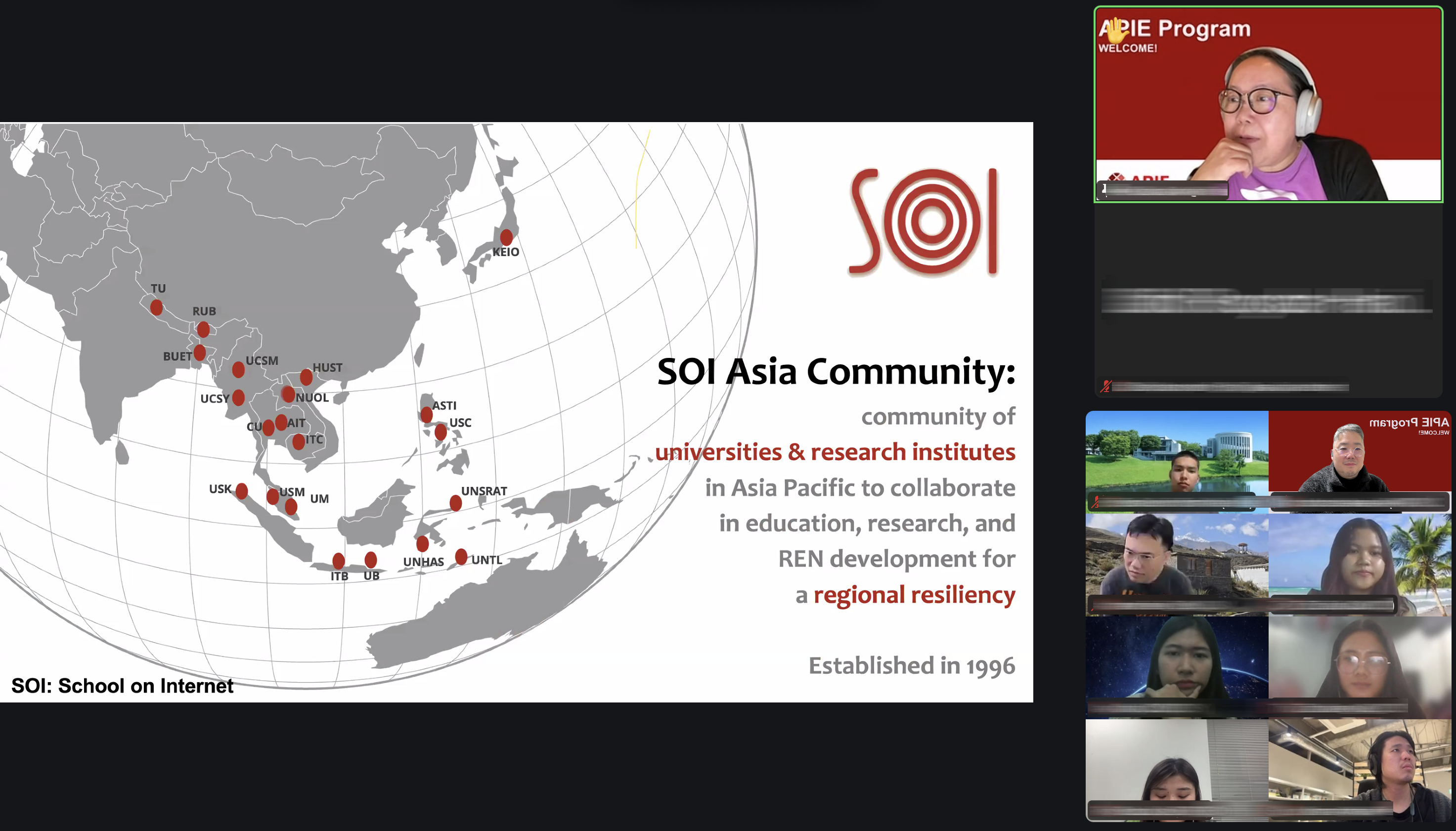
Welcoming Participants to APIE Program – Core Course Batch 08
-
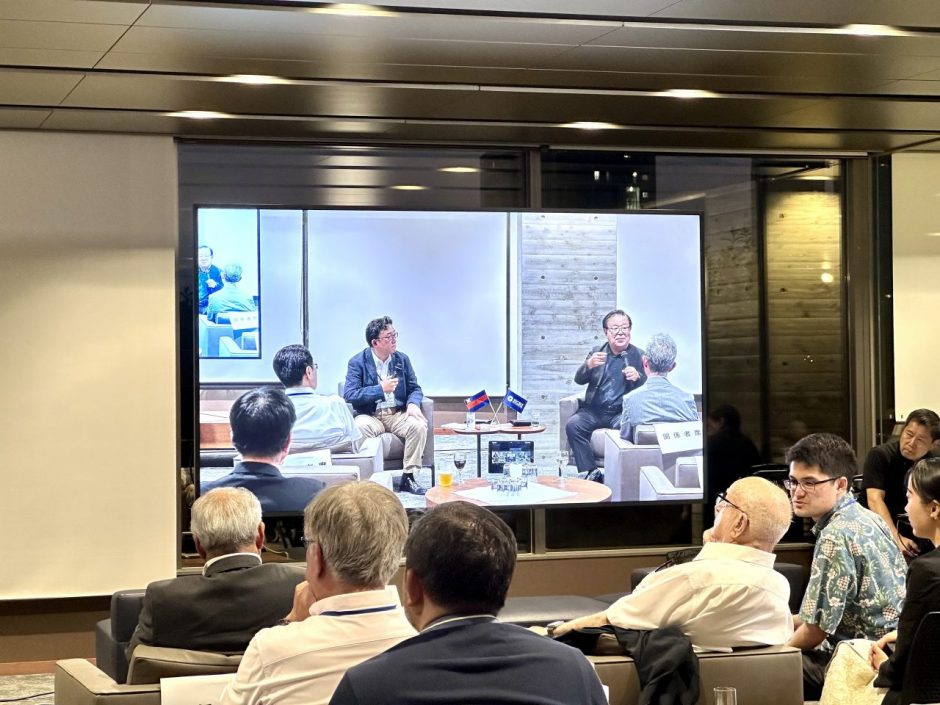
SOI Asia featured at KGRI’s “Legend Talk Vol.1” with Prof. Jun Murai
-
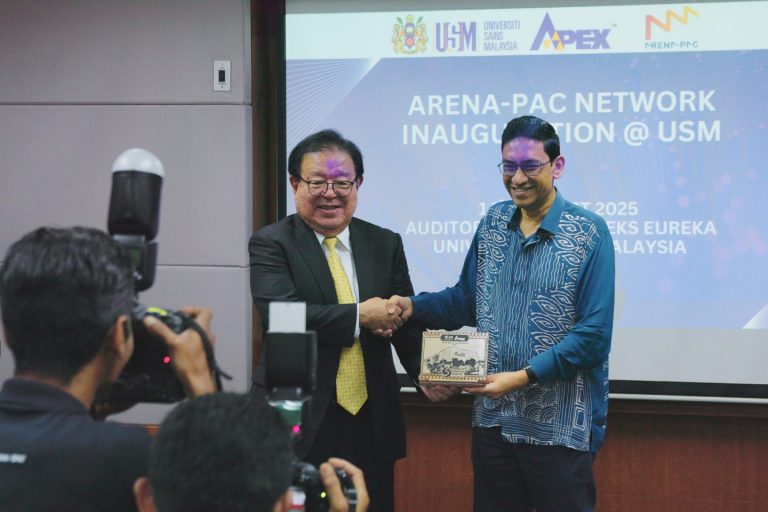
Celebrating USM’s 100Gbps Connection to ARENA-PAC
-
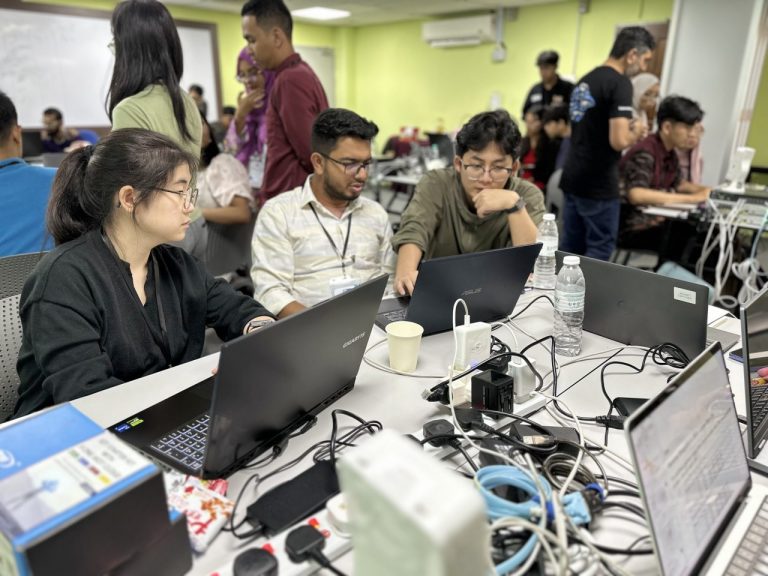
Building Skills and Connections at APIE Camp in USM (Malaysia)
-
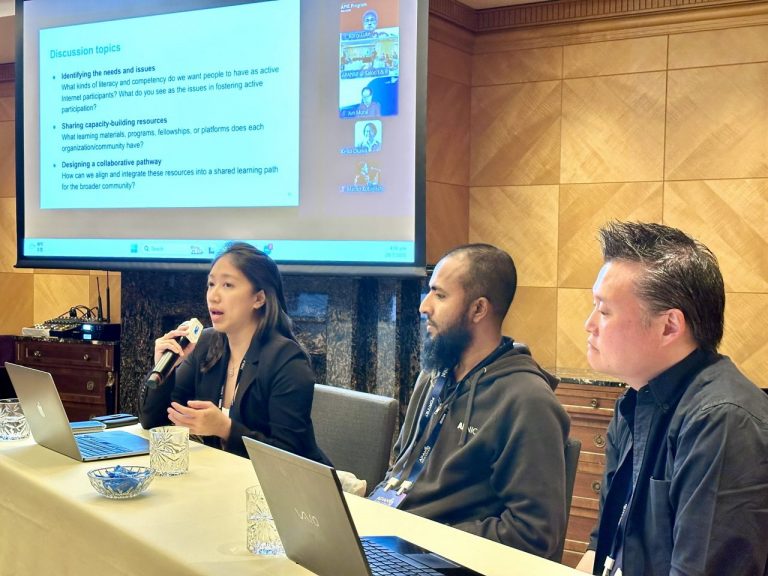
Exploring Pathways for Inclusive Internet Governance at APAN 60
-
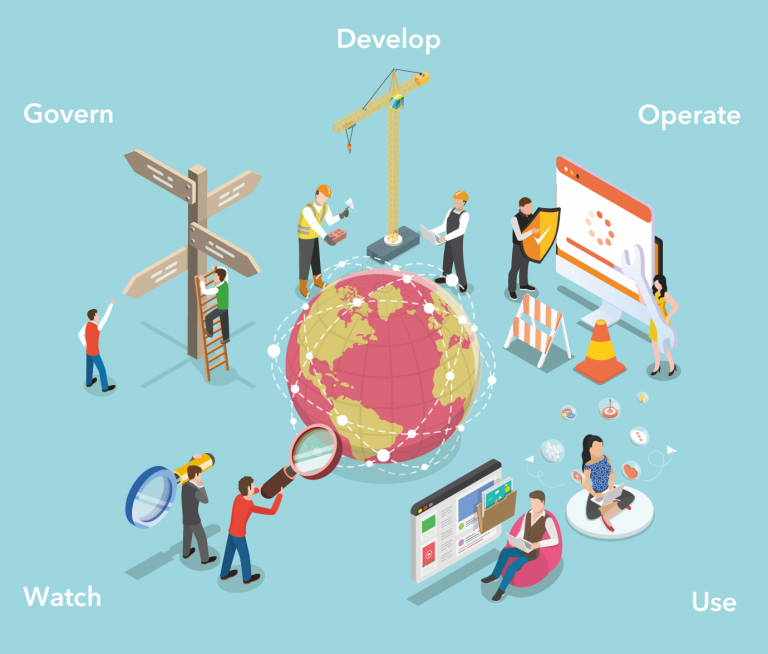
Participating in the Internet — A New Online Course on Internet Governance for the Next Generation
-
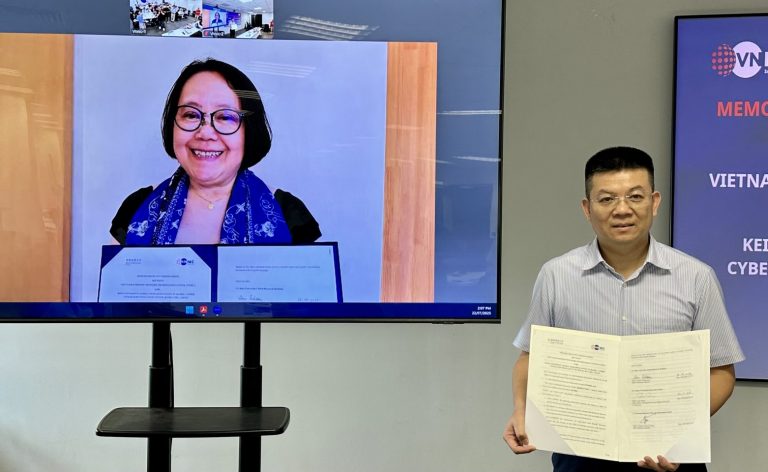
Keio and VNNIC Sign MoU to Strengthen Collaboration in Vietnam
-
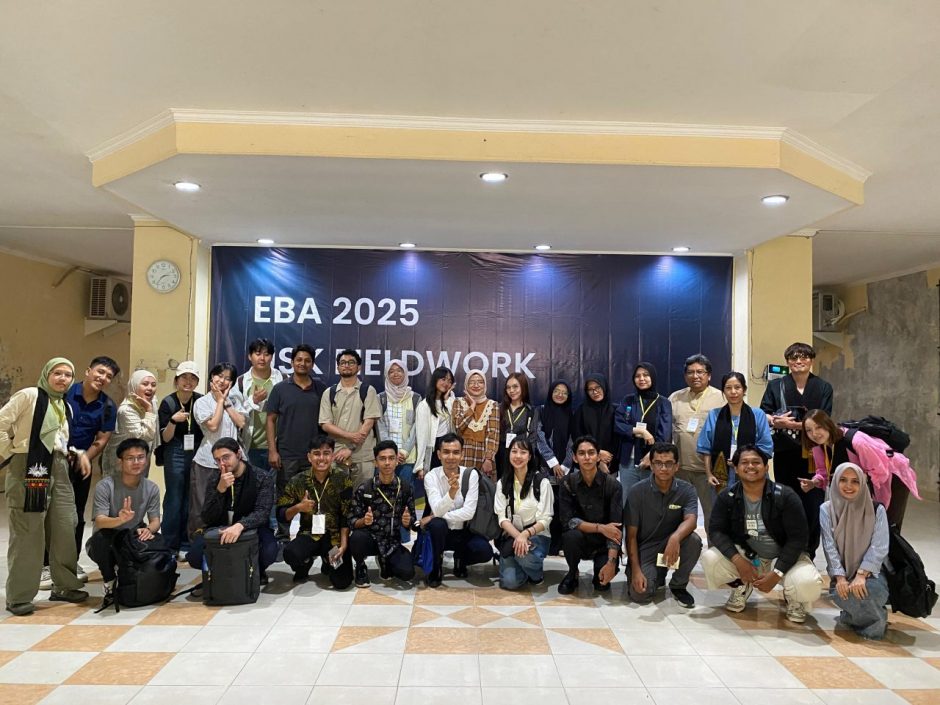
EBA conducts USK Digital Preservation Fieldwork 2025
-
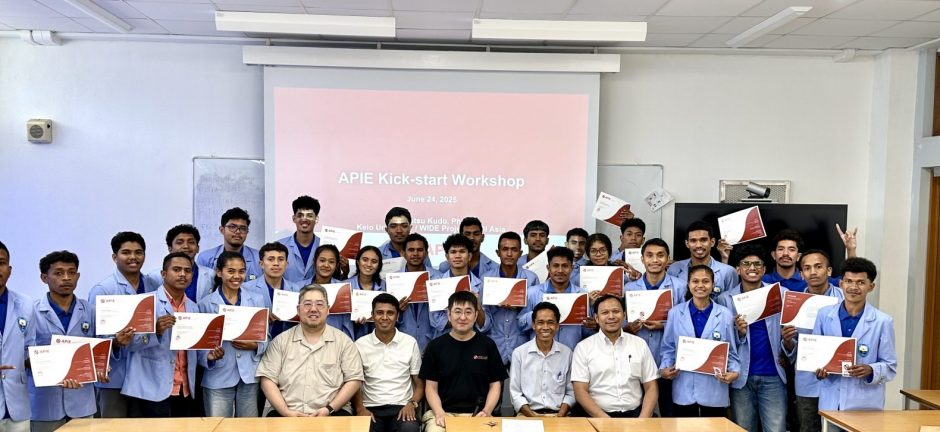
Strengthening Partnerships for a Connected Future in Timor Leste
-
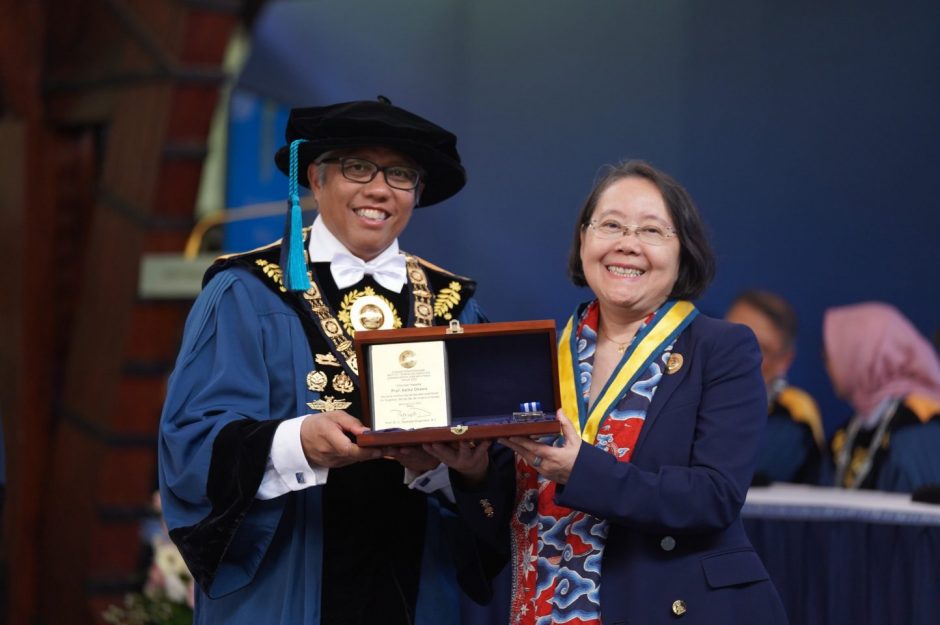
30 Years of Impact: Keiko Okawa’s Recognition Marks a SOI Asia Milestone
-

Call for Proposals: CBR Seed Program
-

Reorganization of SOI Asia Digital Badges on INXIGNIA
-
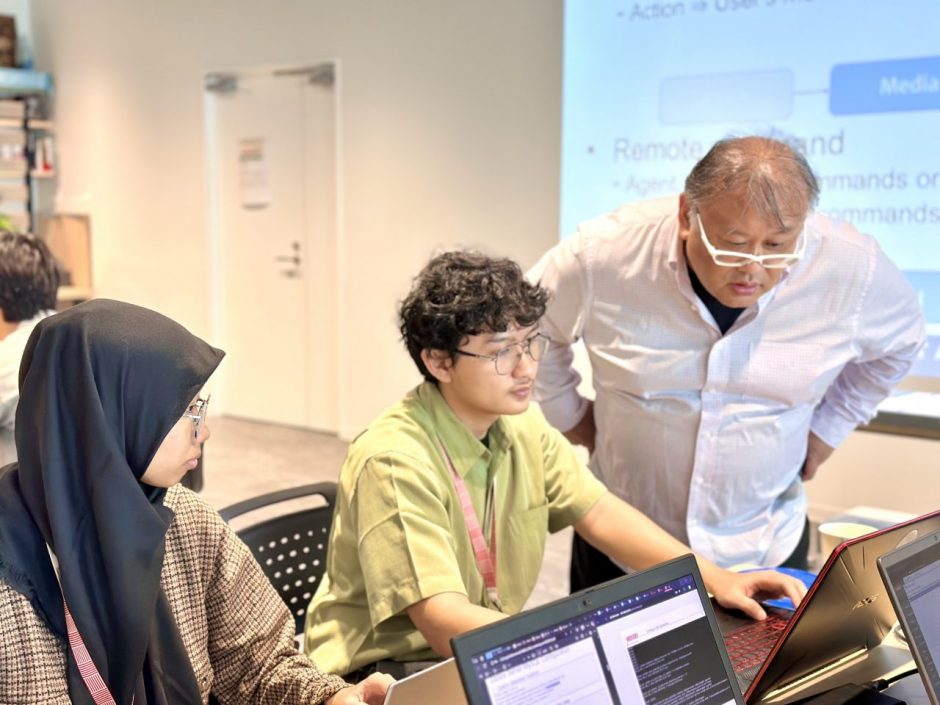
APIE Advanced Camp #02 and Meet the Internet Engineers in Keio
-
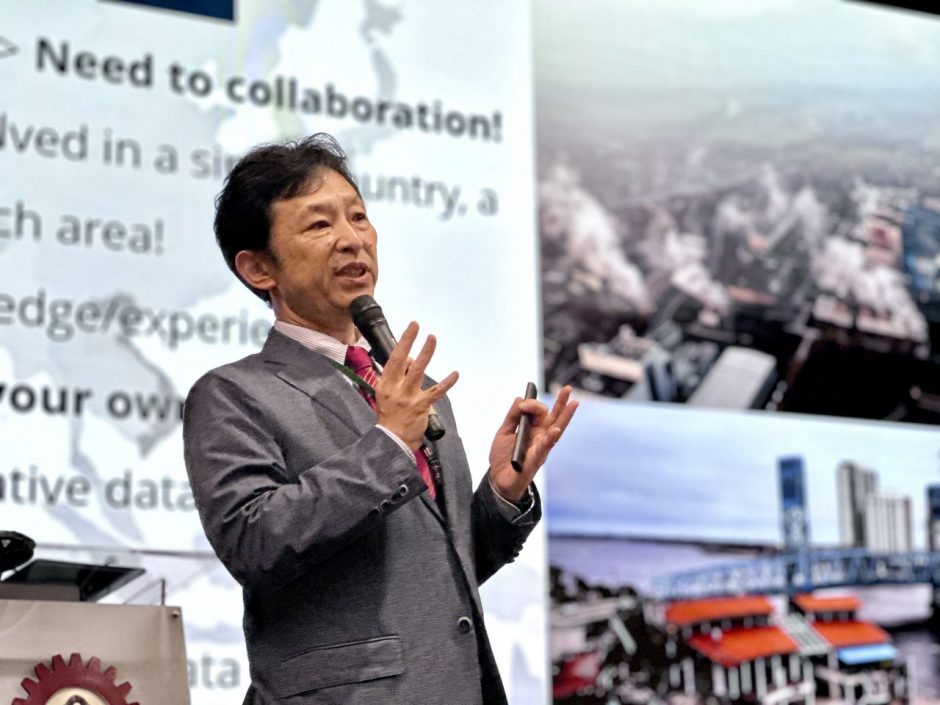
Chulalongkorn University hosts EBA events in Bangkok
-
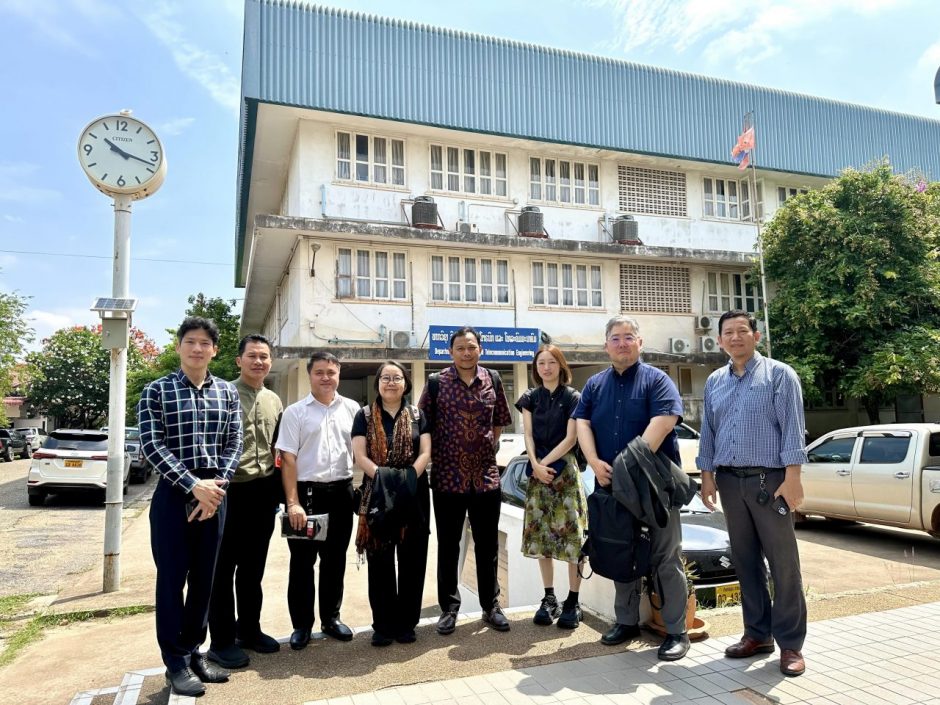
SOI Asia Visits Laos to Restore Long-Standing Partnership with NUOL
-
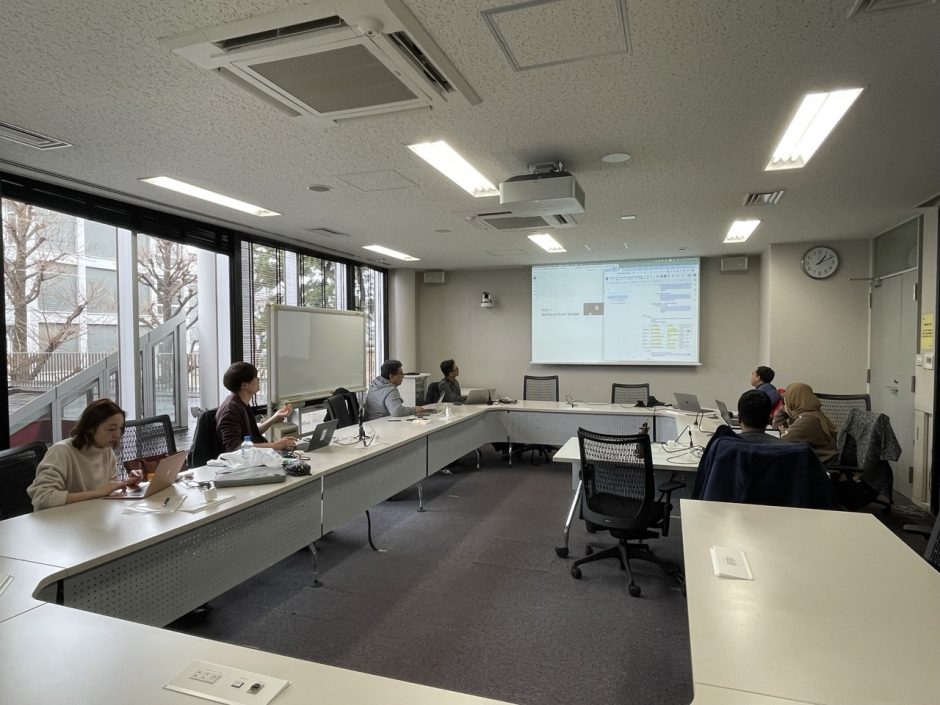
Developing Digital Archives of Cultural Heritage: Collaborative Efforts and Future Visions at the DHASH Project
-
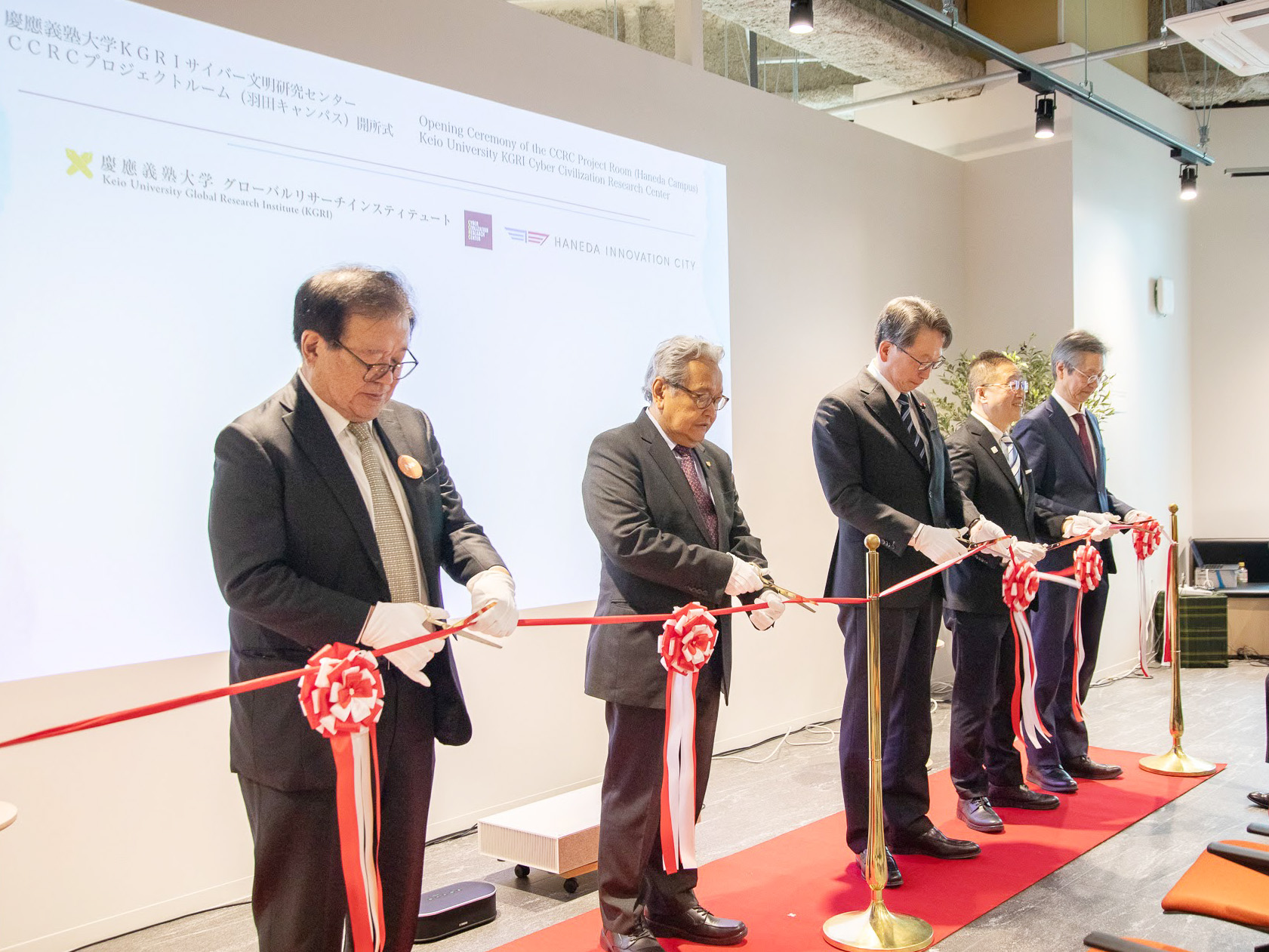
SOI Asia Haneda Campus – A New Hub for Research and Education
-
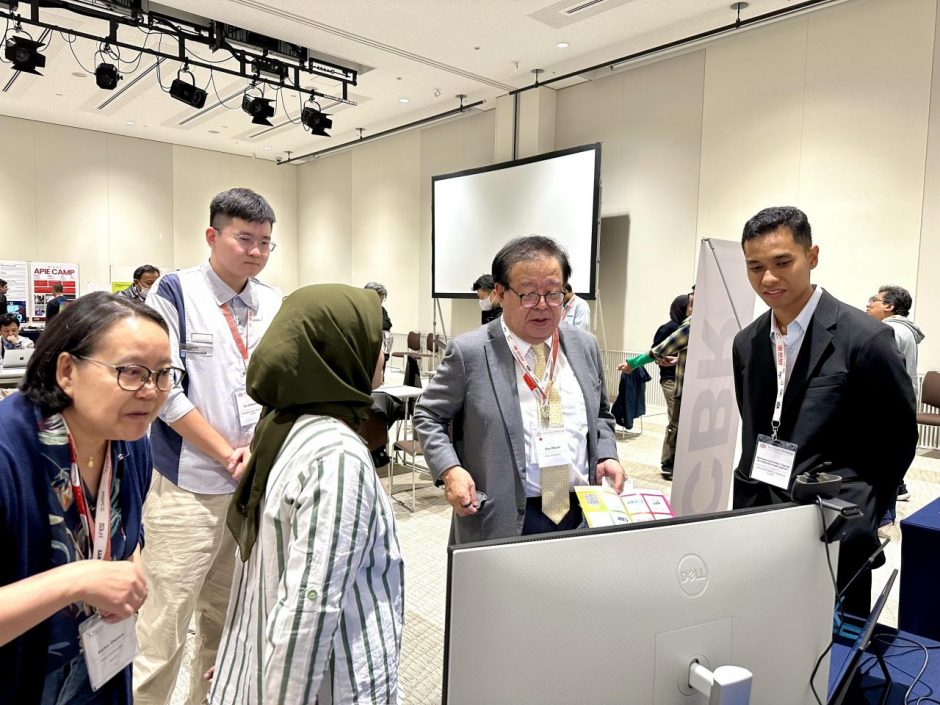
Collaboration, Innovation, and a New Home: The 59th SOI Asia Meeting in Review
-
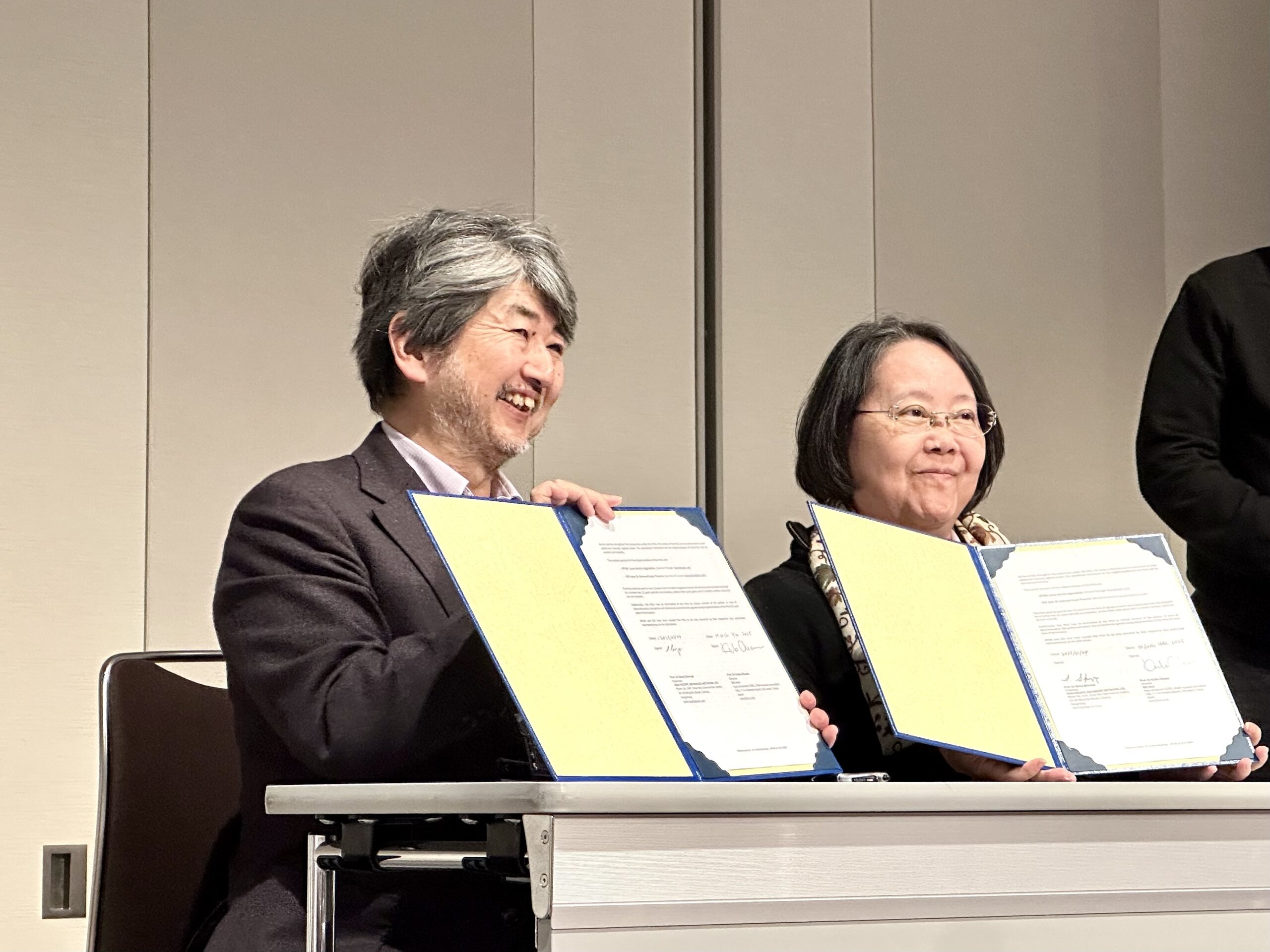
SOI Asia and APAN Sign MoU at APAN 59 to Strengthen Collaboration
-
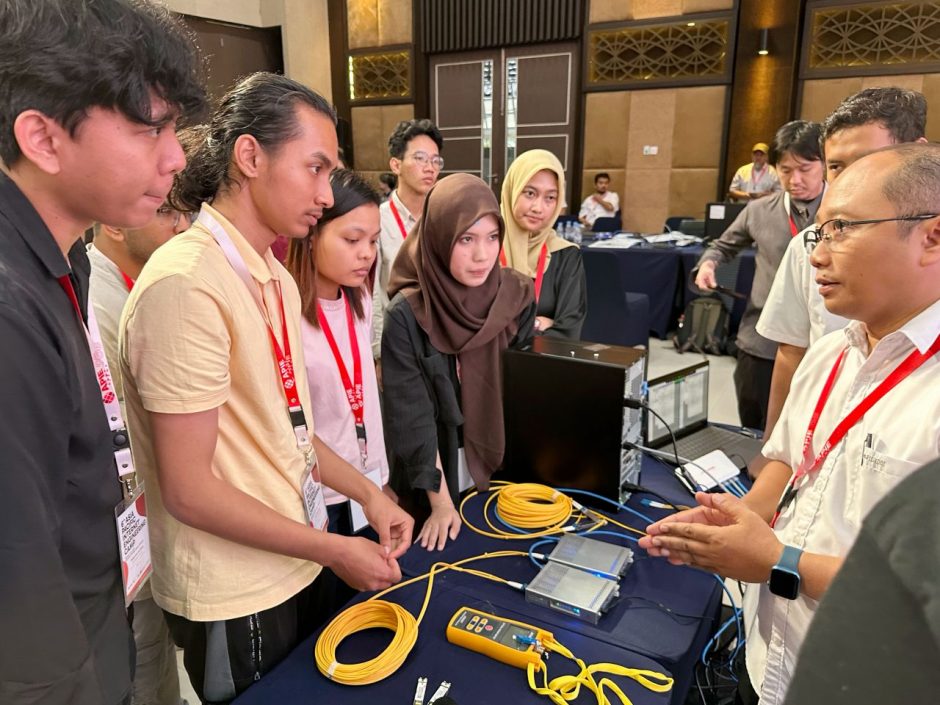
APIE Camp in UB: Hands-on Learning, Collaboration, and Growth
-
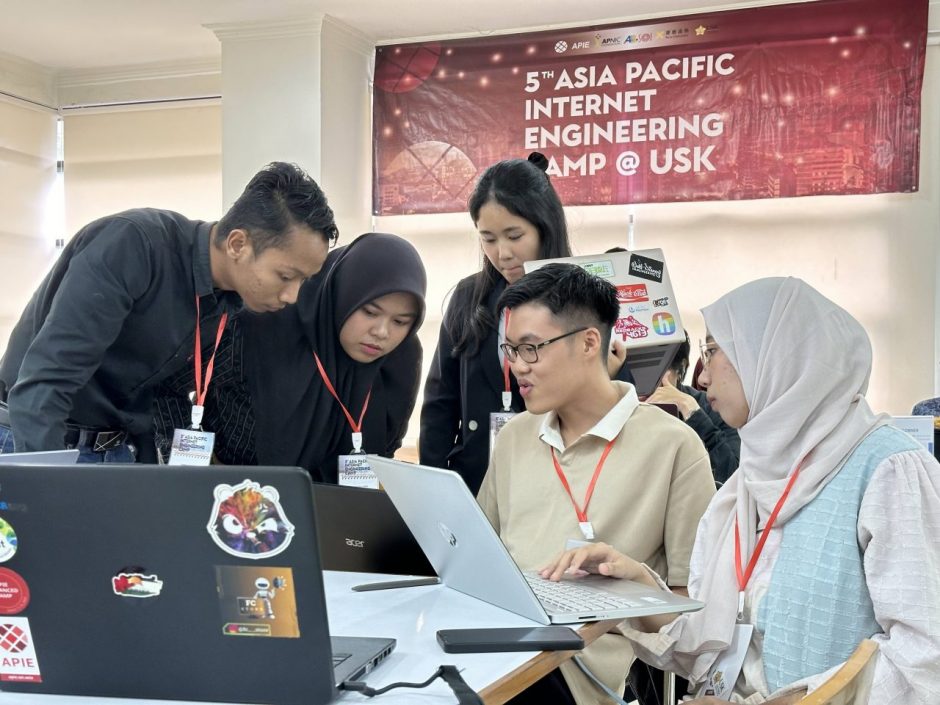
APIE Camp in USK: a new batch of nexgen network engineers
-
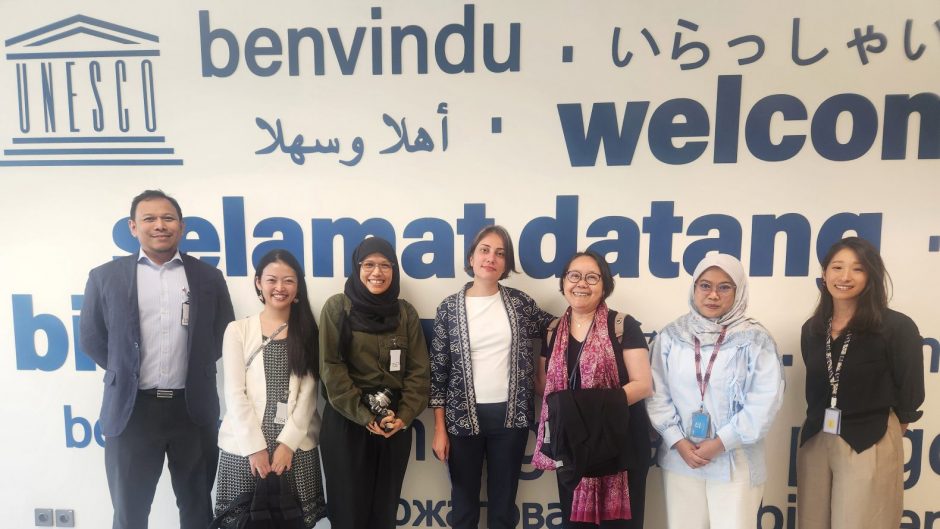
SOI Asia and UNESCO Join Forces to Advance Sustainable Development and Open Science
-
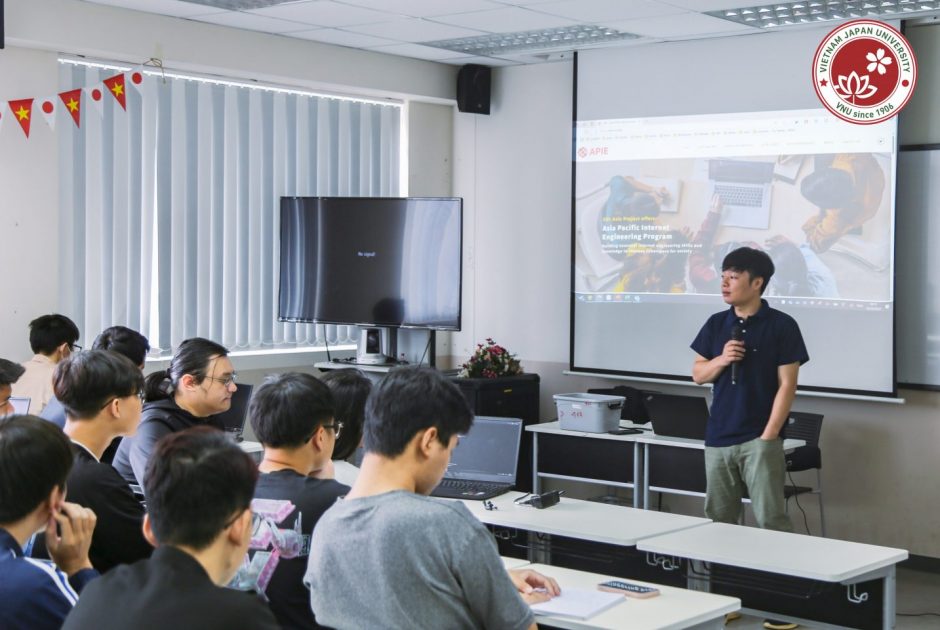
SOI Asia’s APIE Program Adopted for Regular Formal Courses at Vietnam-Japan University (VJU)
-
#34 Monthly Seminar
-
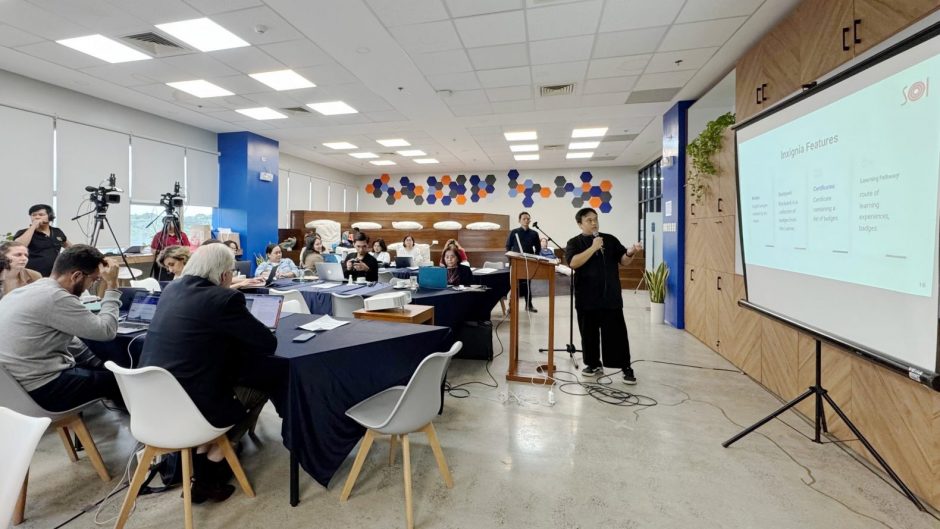
Strengthening Inxignia’s presence in Asia-Pacific: Highlights from the MicroCASA consortium
-
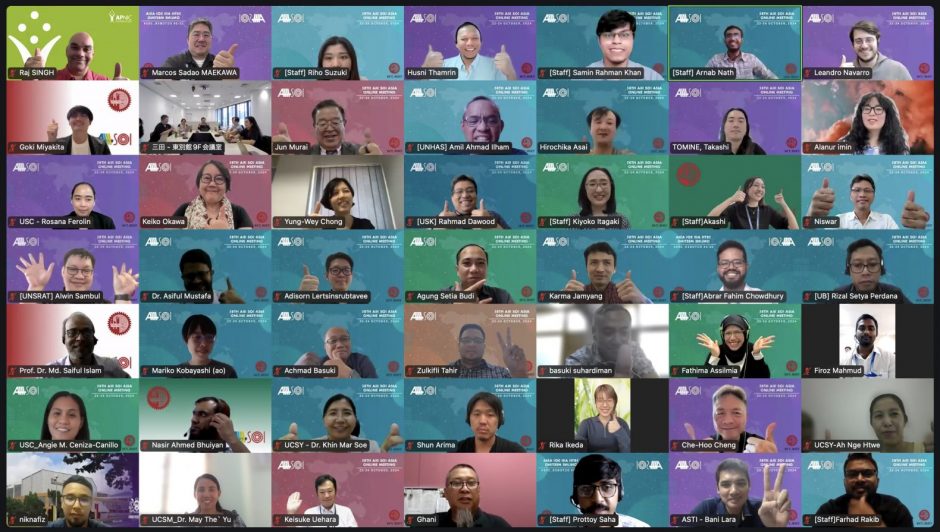
Recap of the 58th AI³ & SOI Asia Directors Meeting: Exploring New Initiatives and Future Directions
-

58th AI³/SOI Asia Joint Online Meeting (BUET)
-
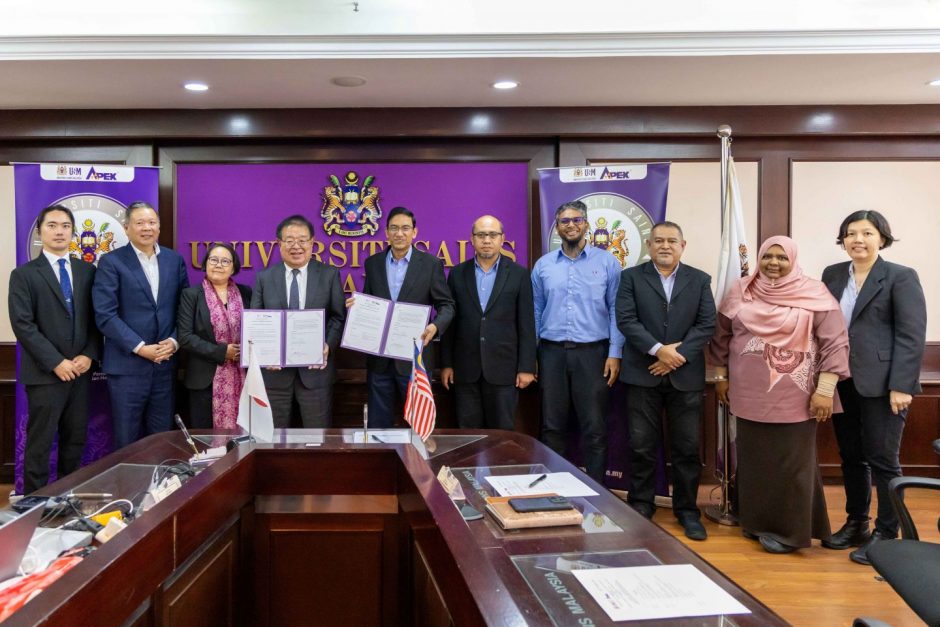
USM Partners with ARENA-PAC to Launch Malaysia’s 100Gbps Research and Education Network
-
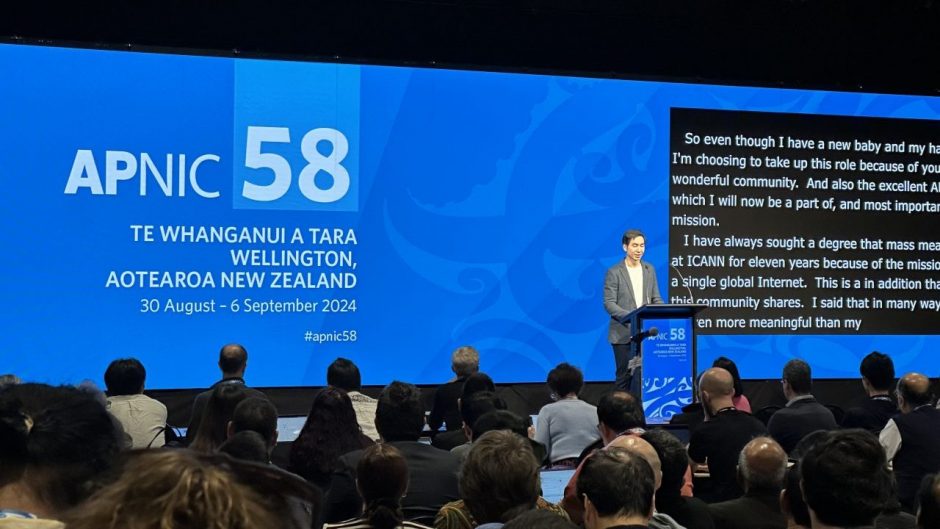
SOI Asia attends APNIC 58 in Wellington, NZ
-
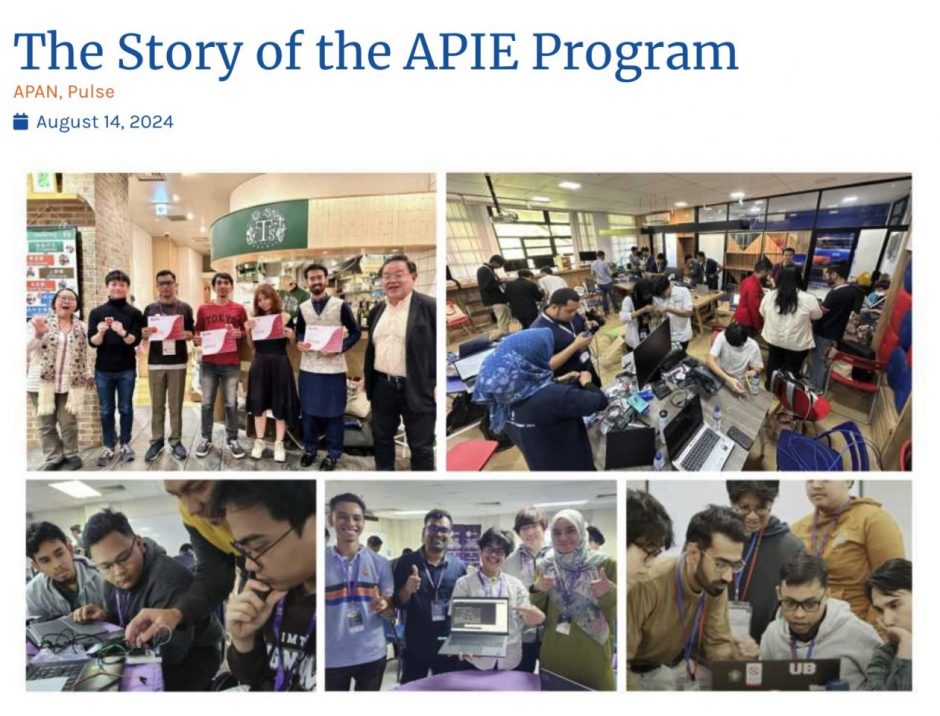
APIE program featured by APAN
-
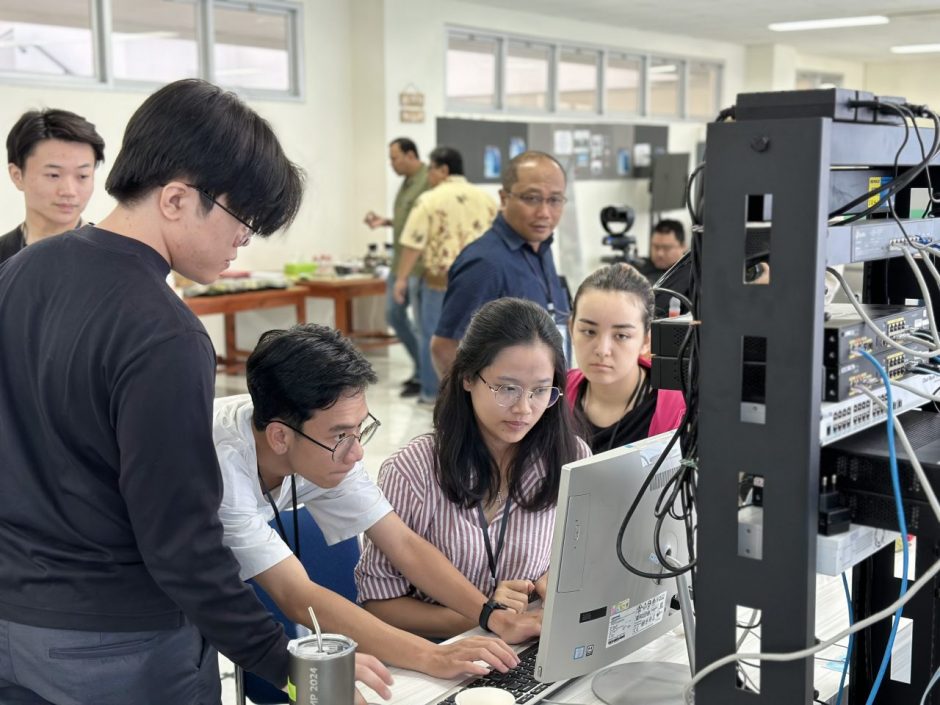
APIE Camp in UNHAS and USM
-
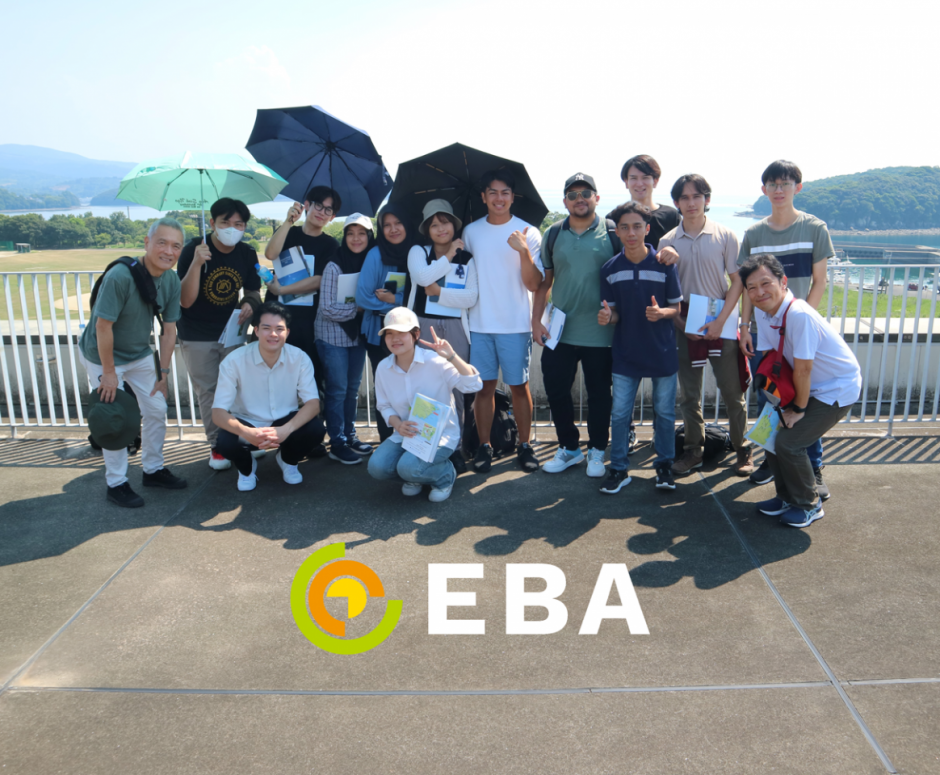
EBA conducts Minamata Fieldwork 2024
-
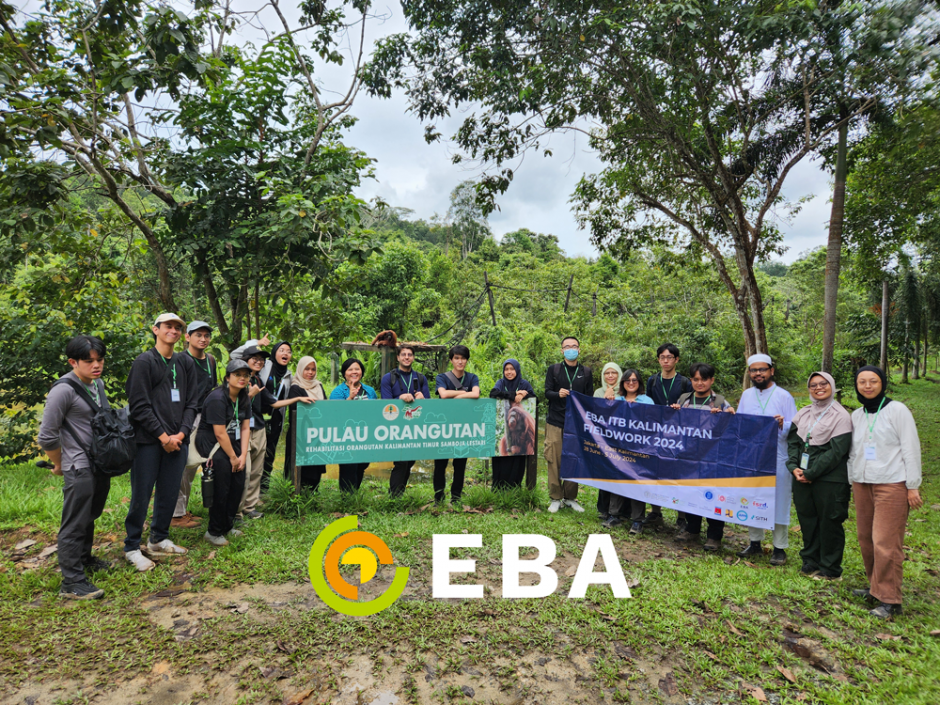
EBA conducts Kalimantan Fieldwork 2024
-
#33 Monthly Seminar
-
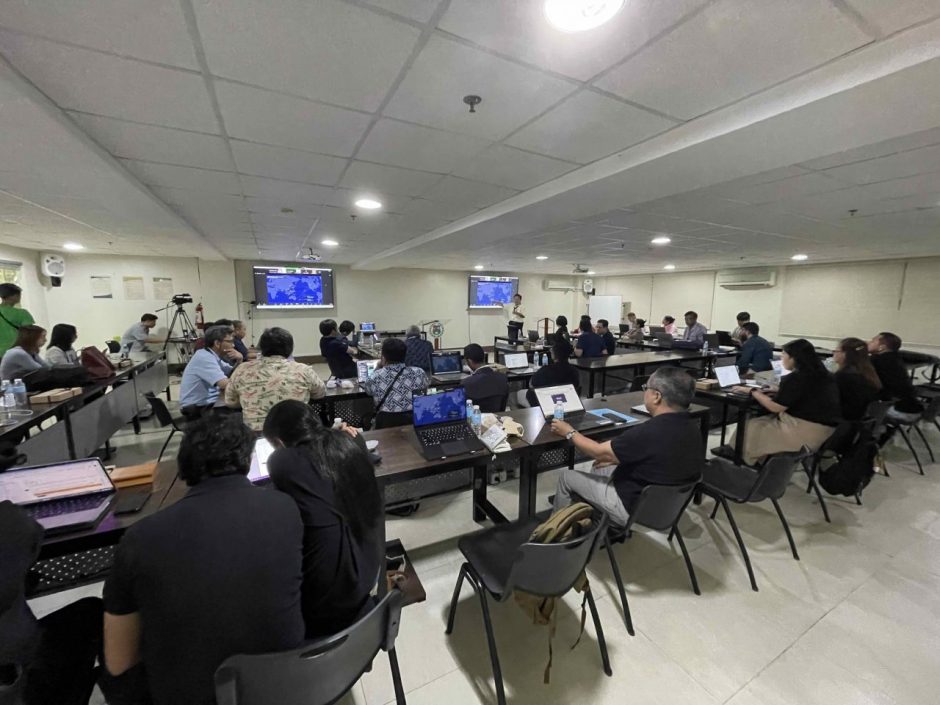
57th AI³/SOI Asia Directors Meeting Hosted by the University of San Carlos (USC)
-
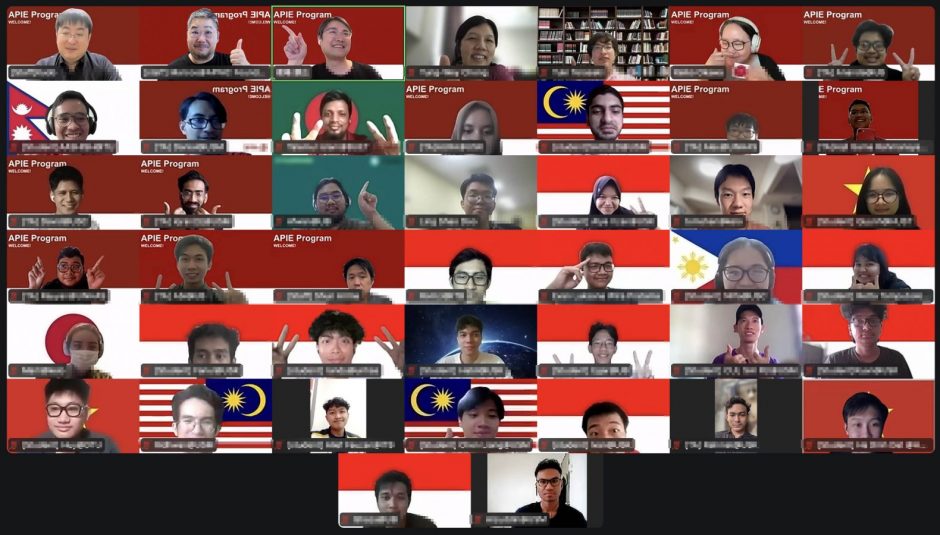
Reflections and Future Visions: APIE Batch 4 Wraps Up with Expert Insights
-
#32 Monthly Seminar
-
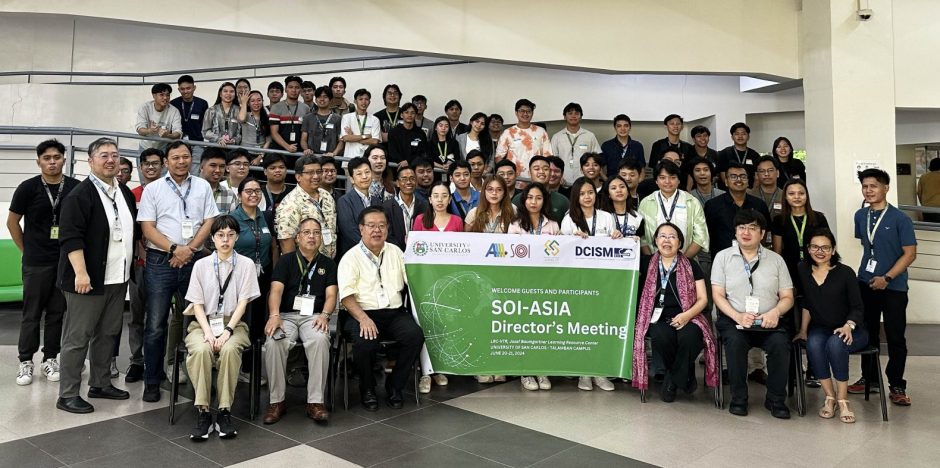
Empowering Future IT Professionals: Highlights from ‘Meet the Internet Engineers’ at USC
-
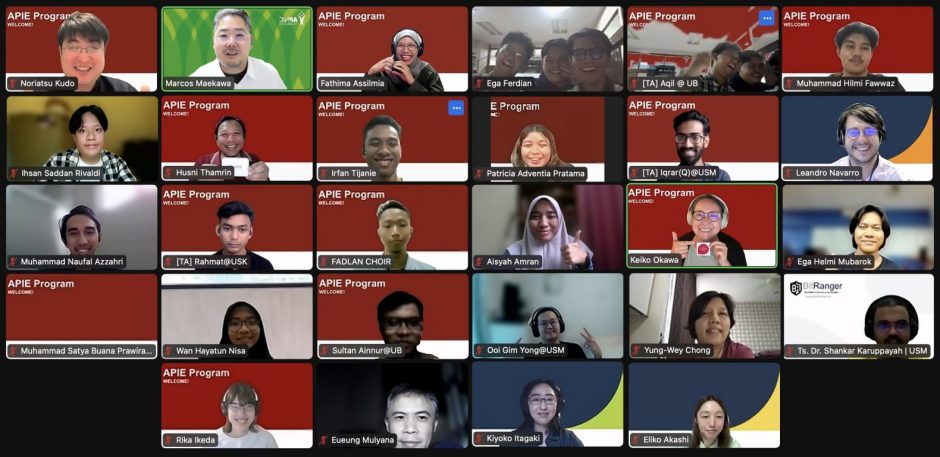
First APIE Advanced Camp concluded
-
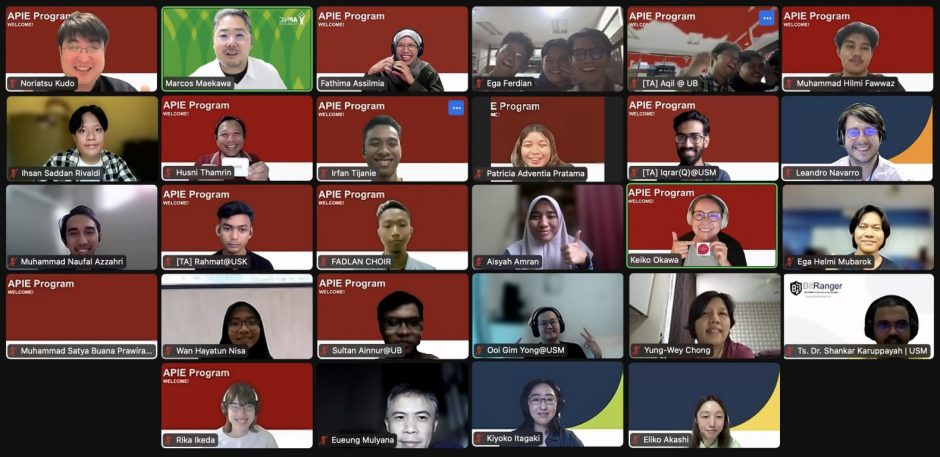
#31 Monthly Seminar
-
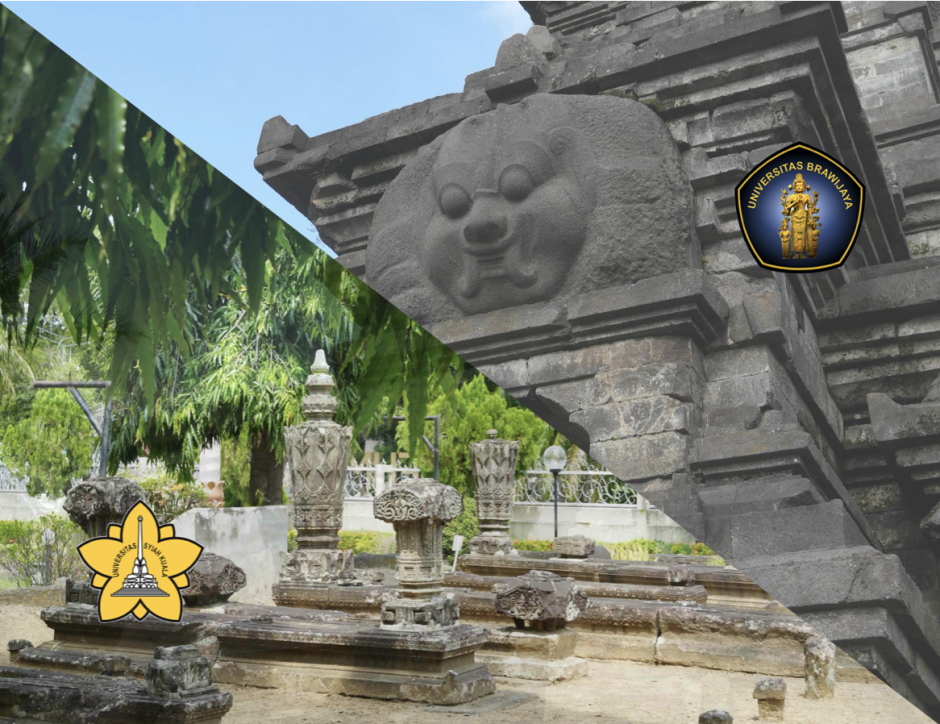
SOI Asia Keio Visited UB・USK (Indonesia)
-
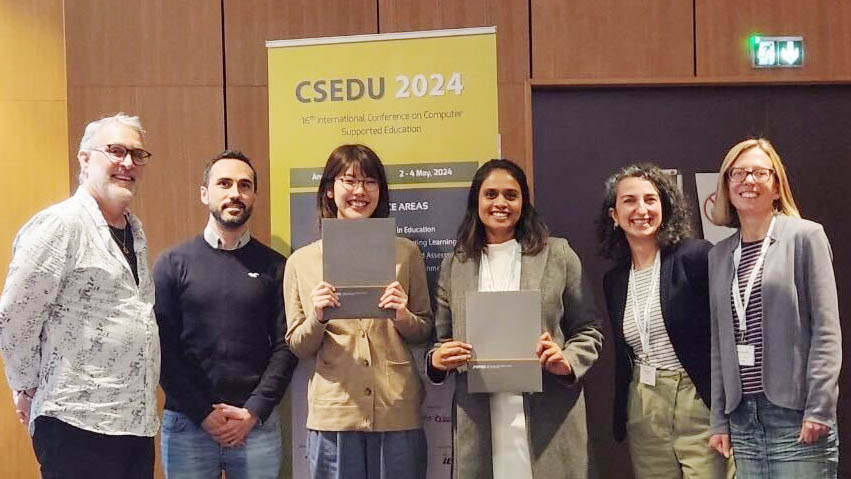
Inxignia awarded the Best Position Paper at CSEDU 2024
-

59th SOI Asia Meeting in Yokohama, Japan – March 6-8, 2025
-

#30 Monthly Seminar
-
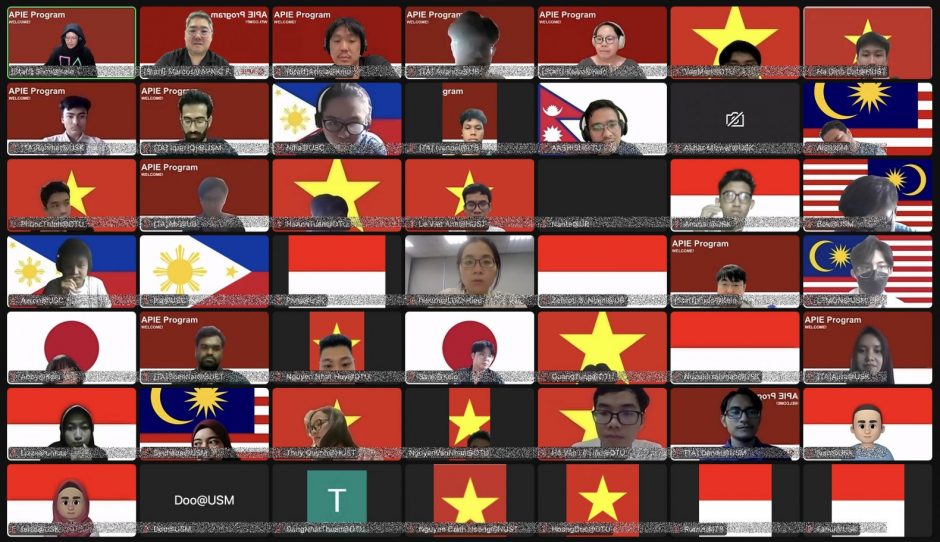
APIE program opens Core Course Batch #04
-
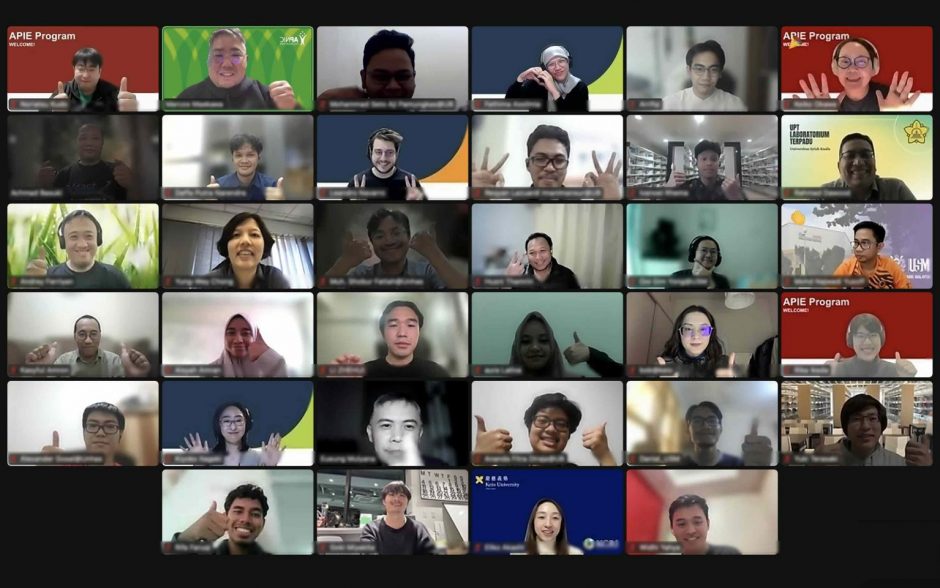
#29 Monthly Seminar
-
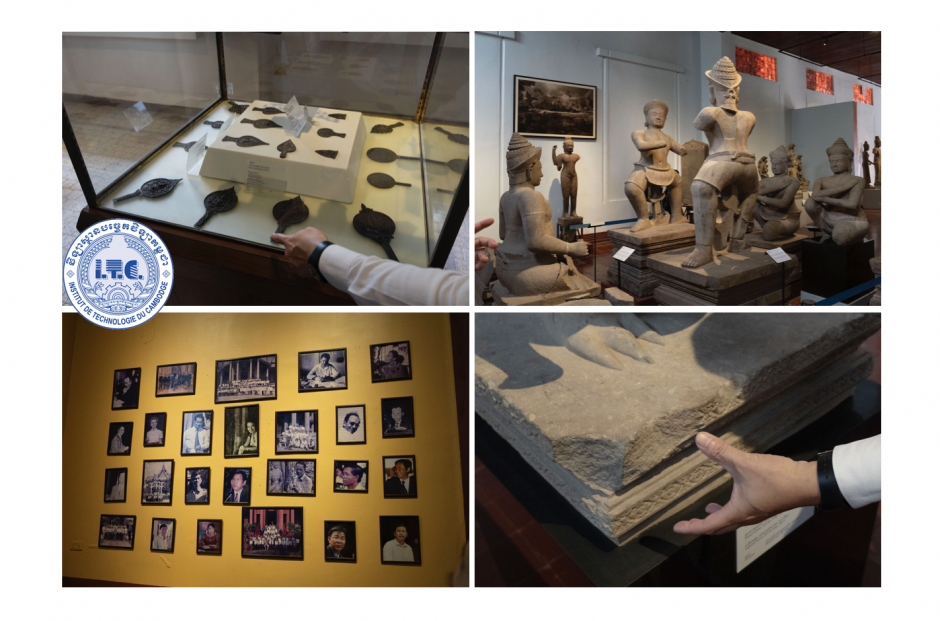
SOI Asia Keio Visited ITC (Cambodia)
-
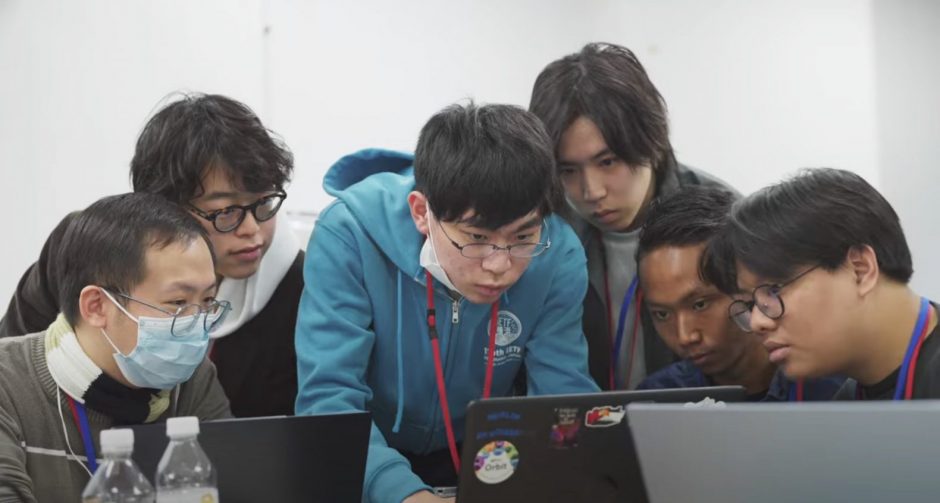
The first APIE Advanced Camp concluded at Keio University (Japan)
-
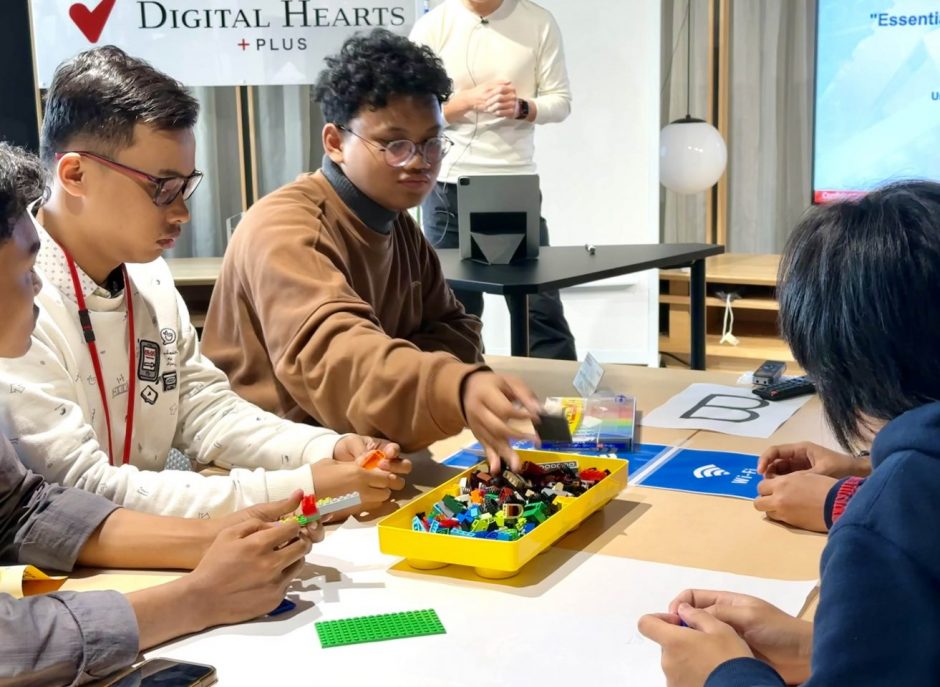
Cybersecurity Workshop Caps Off APIE Advanced Camp in Japan.
-

57th AI³ & SOI Asia Directors Meeting will be held on June 20-21, Cebu, Philippines (co-hosted by University of San Carlos)
-
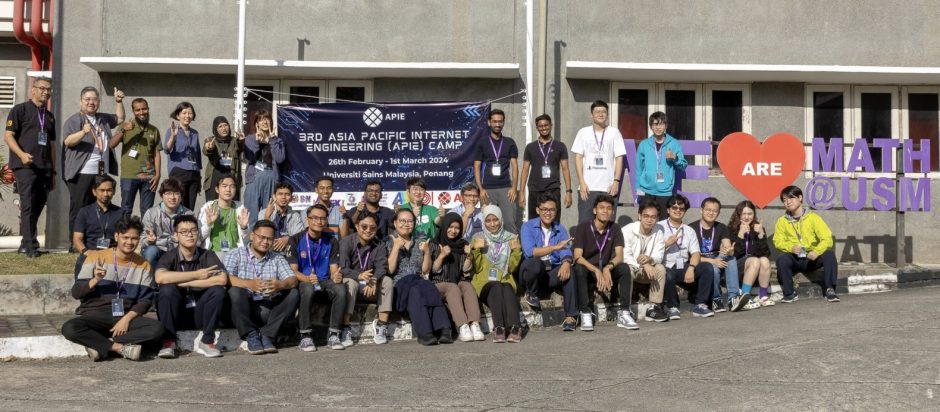
APIE Camp in USM: mission completed!
-
#28 Monthly Seminar
-
#27 Monthly Seminar
-
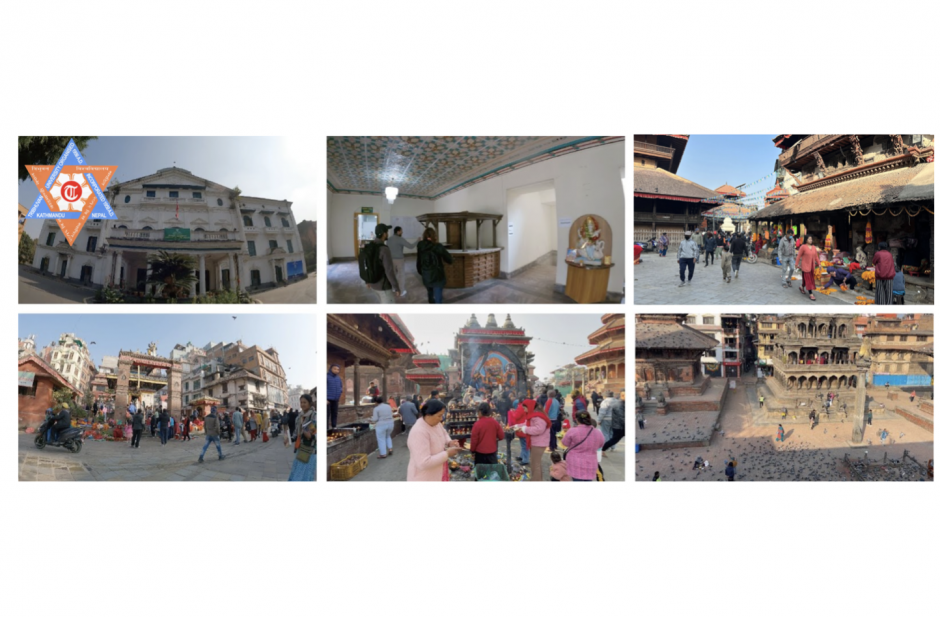
SOI Asia Keio Visited IOE-TU (Nepal)
-
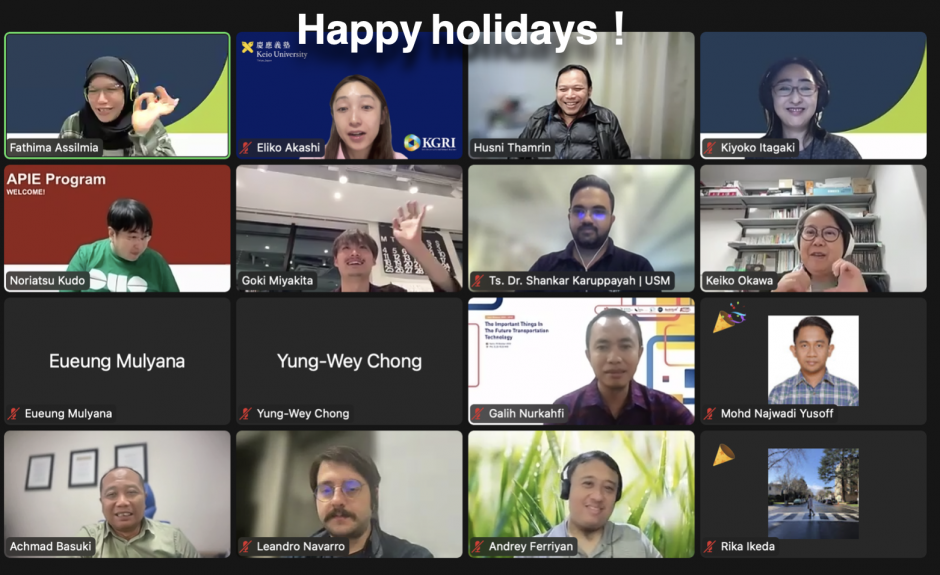
#26 Monthly Seminar
-
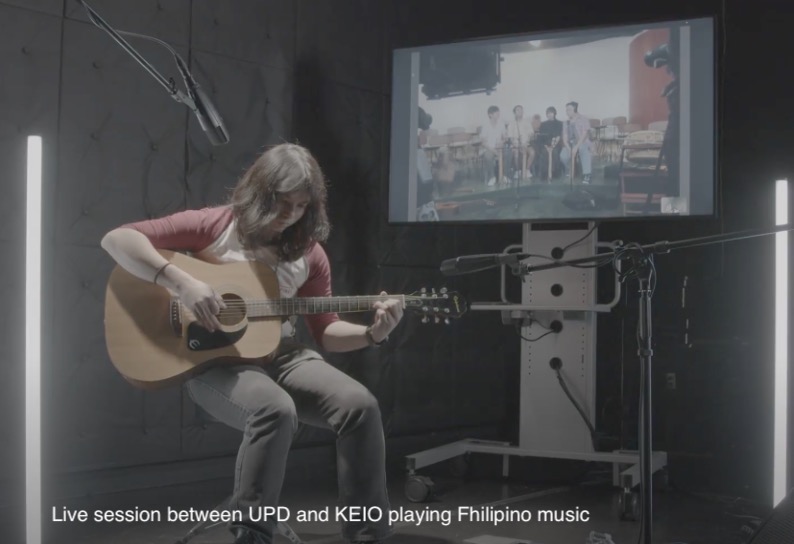
SOI Asia demonstrated the potential of REN-based collaboration through a joint music session between KEIO and UPD
-
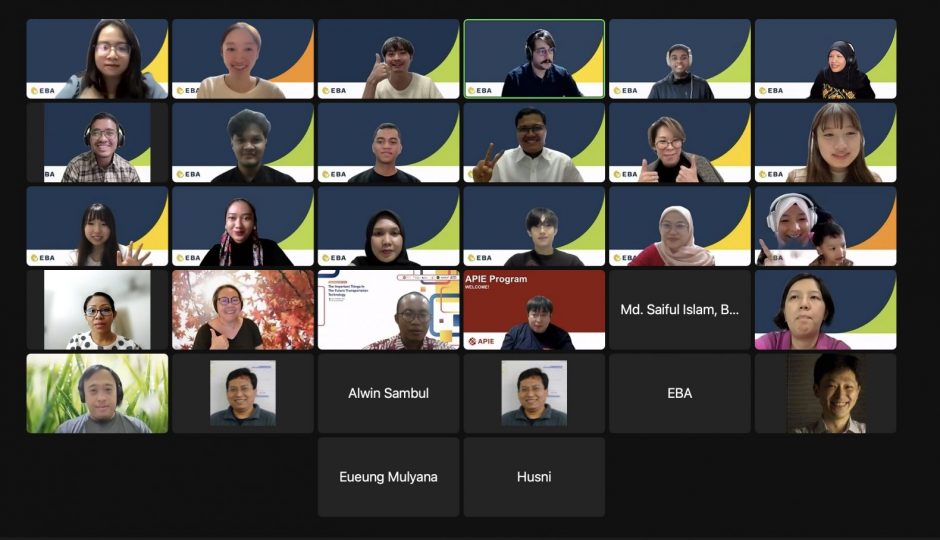
#25 Monthly Seminar
-
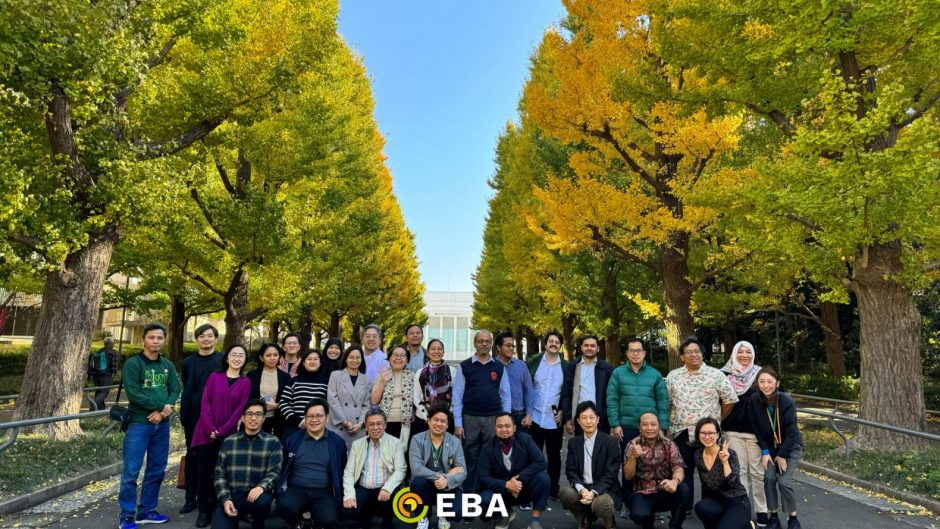
EBA Faculty Meeting 2023
-
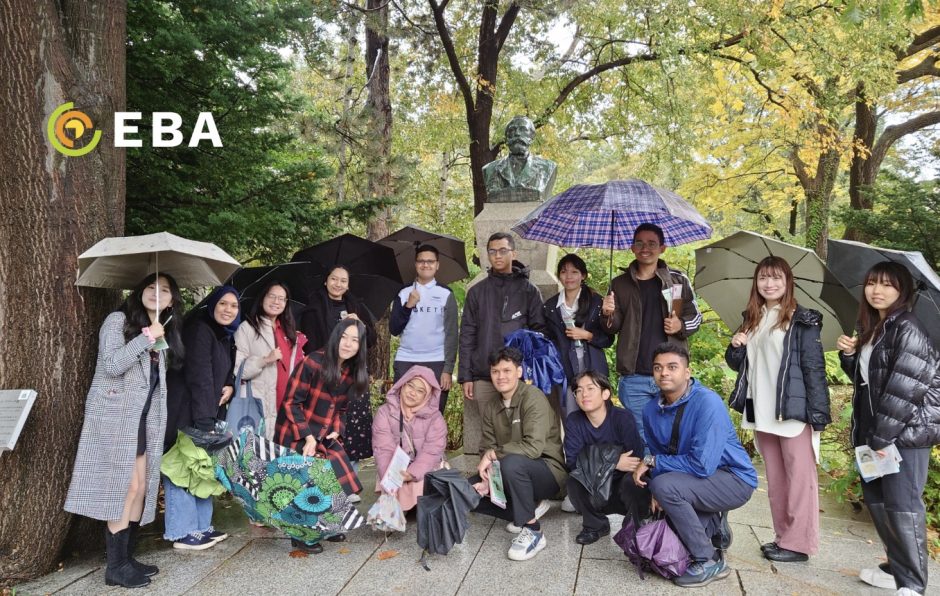
EBA Hokkaido Fieldwork2023
-
#24 Monthly Seminar
-
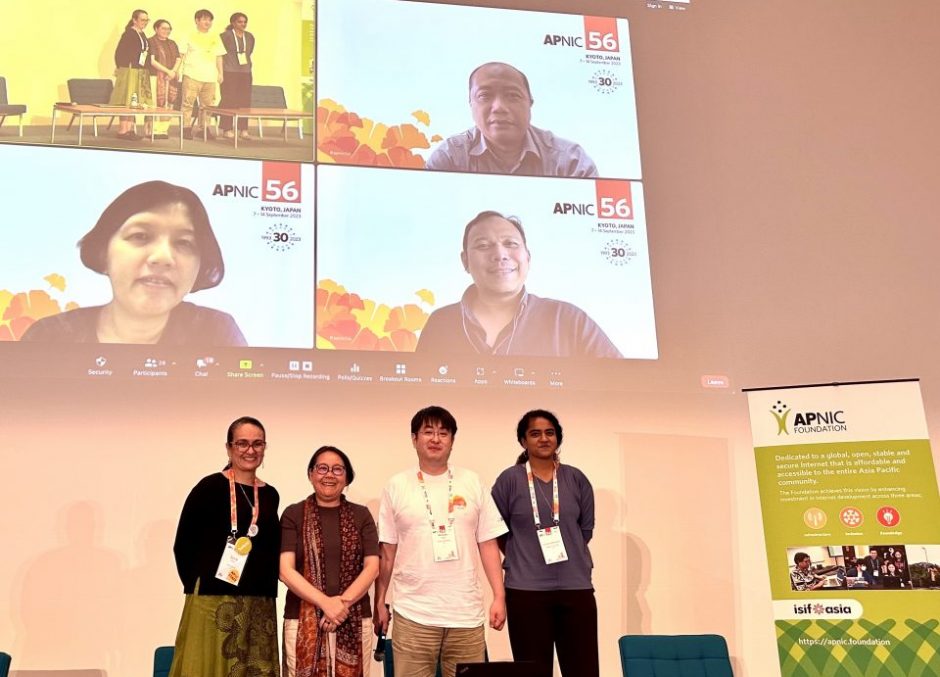
APNIC Foundation featured SOI Asia and AI³ during the APNIC 56 in Kyoto
-
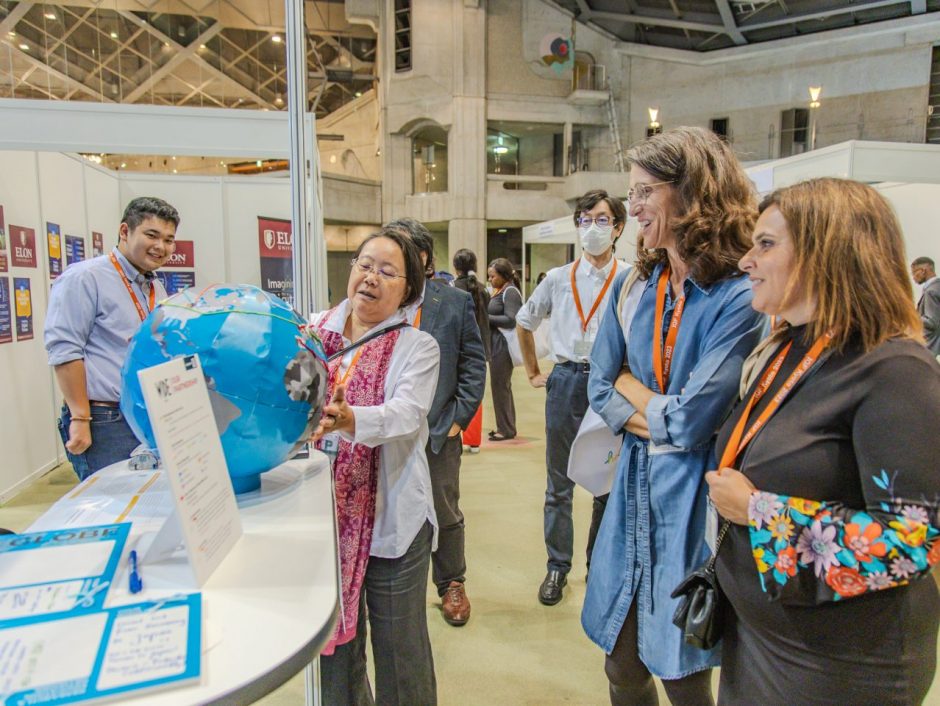
SOI Asia and partners featured at the IGF 2023 Kyoto
-
#23 Monthly Seminar
-
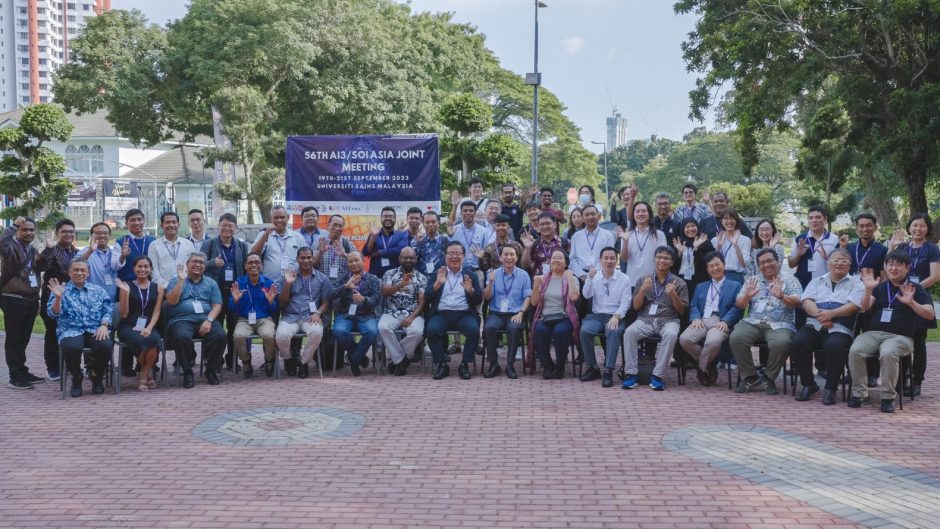
56th AI³ & SOI Asia Join Meeting in USM – Summary
-
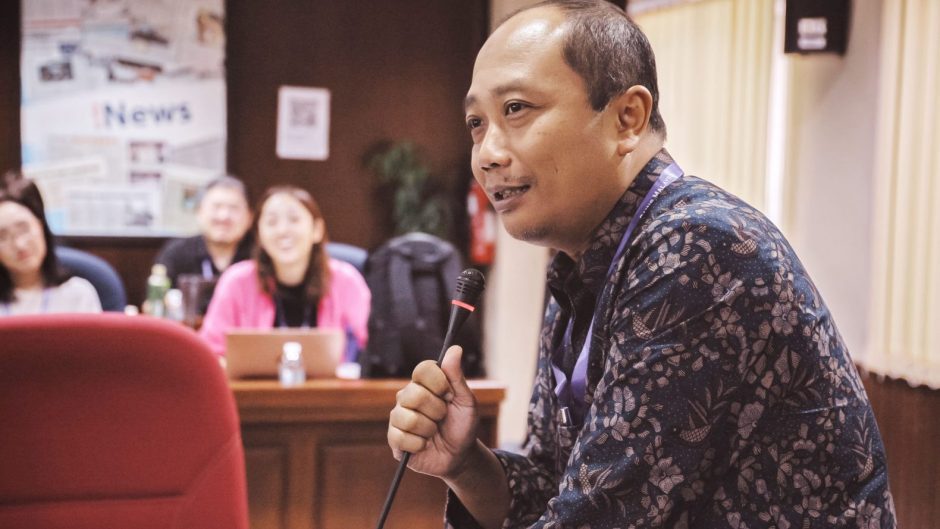
Achmad ‘Abazh’ Basuki receives Dr. Suguru Award
-
#22 Monthly Seminar
-
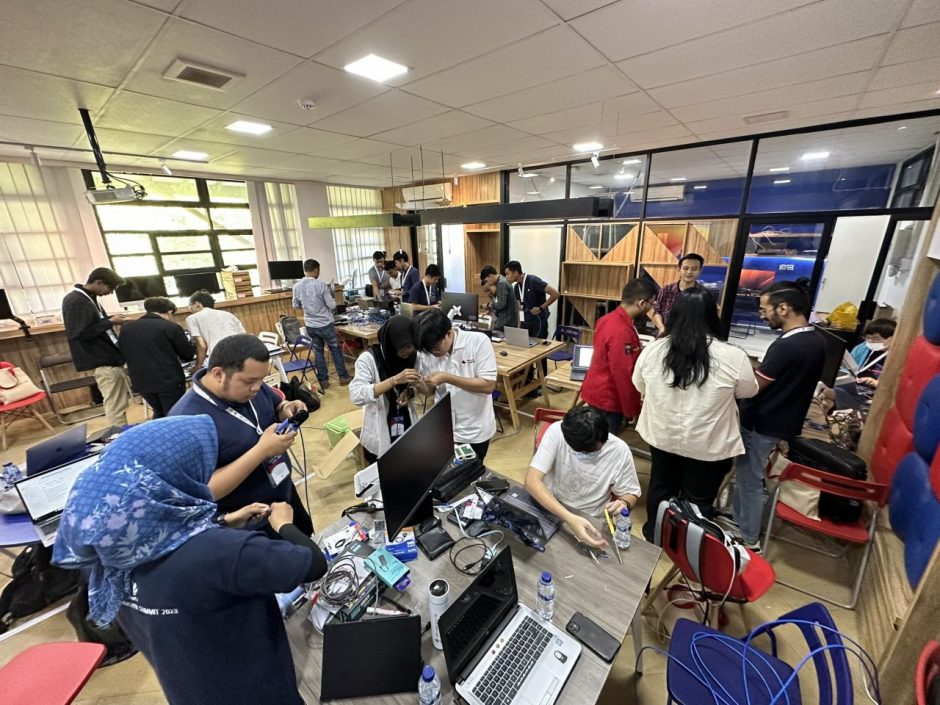
Highlights of the second APIE Camp, hosted by ITB
-
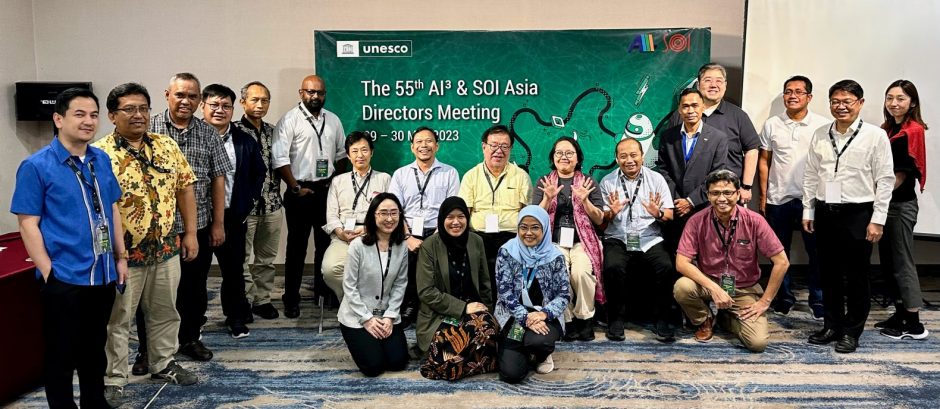
55th AI³ & SOI Asia Directors Meeting – Summary
-
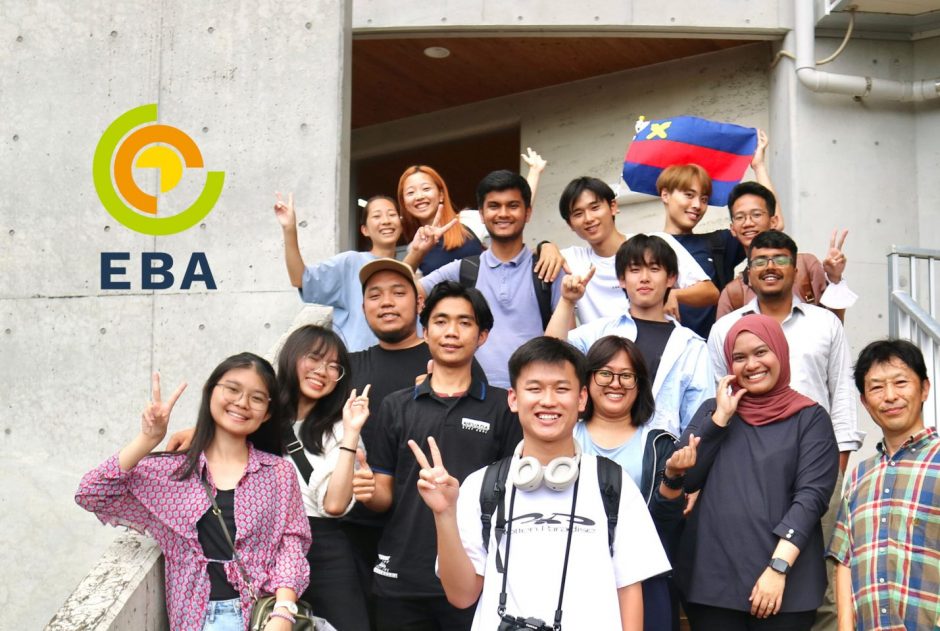
EBA conducts Minamata Fieldwork 2023
-
100 Gbps International Network for Education and Research Inaugurated in Indonesia