Category: Open Science

  • SOI Asia Meets UNESCO: Continuing Dialogue on Open Science and Digital Collaboration

    SOI Asia Meets UNESCO: Continuing Dialogue on Open Science and Digital Collaboration

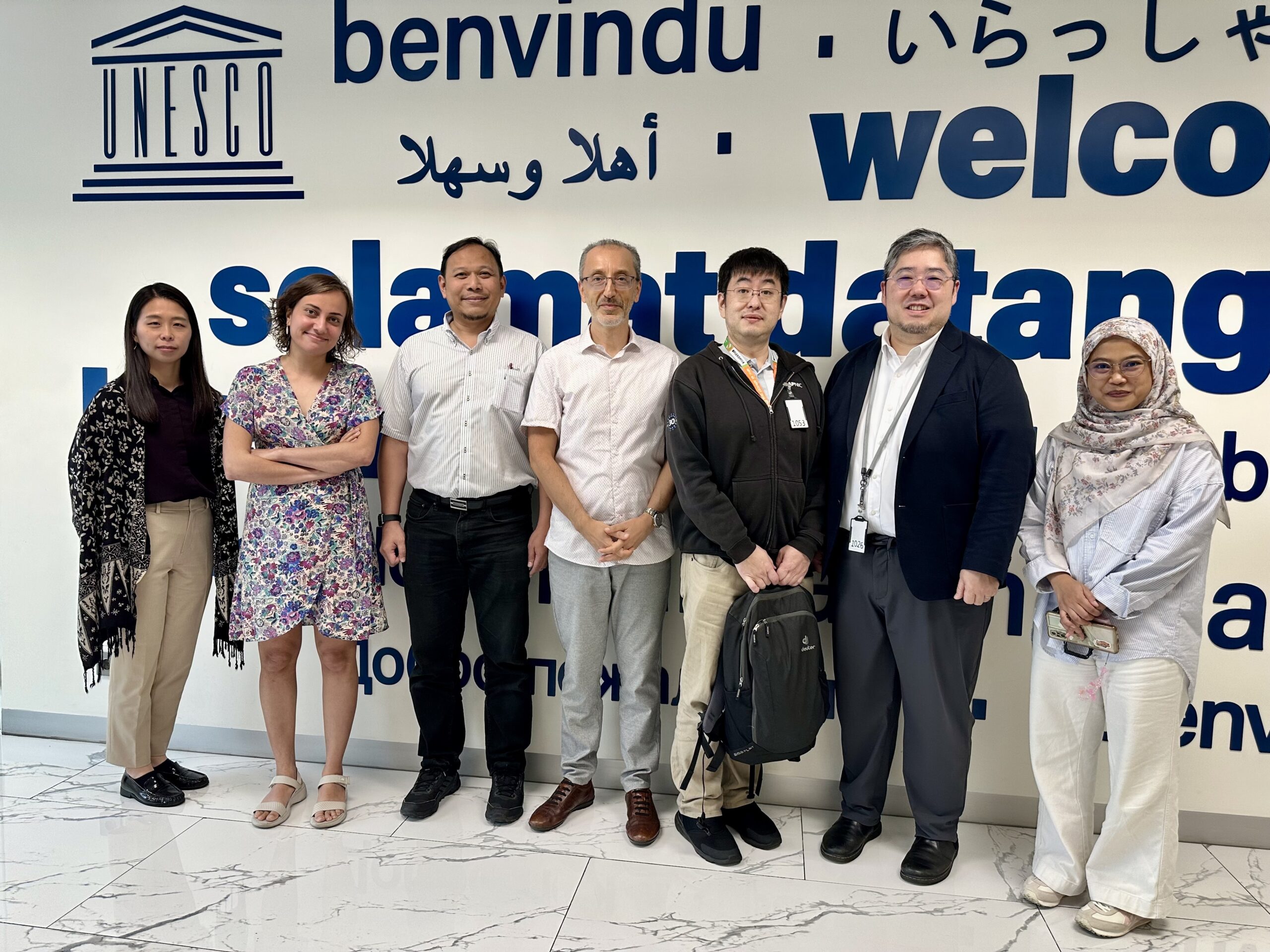
    Featured image caption: (from the left) Kasumi Ochi (UNESCO), Fereshteh R. Najafabadi (UNESCO), Achmad Husni Thamrin (SOI Asia), Engin Koncagul (UNESCO), Noriatsu Kudo (Keio University), Marcos S. Maekawa (APNIC Foundation), and Fitrie A. Nurritasari (UNESCO).

    The SOI Asia delegation visited the UNESCO Jakarta office for what was initially planned as a brief exchange of updates. The meeting quickly evolved into a forward-looking discussion on potential areas of collaboration across Open Science, digital credentials, and inclusive knowledge systems.

    Open Science emerged as a central theme, with shared recognition of the need to strengthen capacity, transparency, and regional participation in research practices across the Asia Pacific. The discussion highlighted opportunities to connect technical communities, academic institutions, and policy frameworks in more integrated ways.

    Particular interest was expressed in SOI Asia’s experience with digital micro-credentials through Inxignia, especially as UNESCO continues exploring accessible, online learning and recognition mechanisms. The Evidence-Based Approach (EBA) initiatives were also discussed as complementary pathways for structured collaboration and knowledge exchange.

    While the visit began as a routine update, it concluded with clear enthusiasm for deepening engagement and identifying concrete next steps.

    The conversation reaffirmed the value of sustained dialogue between technical education networks and international organizations working at the intersection of science, culture, and inclusive digital development.
  • SOI Asia Keio Visited UB・USK (Indonesia)

    SOI Asia Keio Visited UB・USK (Indonesia)

    From April 26 to 30, 2024, SOI Asia-Keio: Goki Miyakita and Eliko Akashi, traveled to Malang and Aceh, Indonesia to meet and discuss with SOI Asia -UB: Agung Setia Budi, Eko Setiawan, Achmad Basuki, and SOI Asia-USK: Rahmad Dawood, Sayed Muchallil, and Maya Fitria.

    The primary aim of this gathering was to foster collaboration and cooperation on the ‘Community-Centric Open Science Infrastructure for Digital Humanities in the Asia-Pacific’ project.

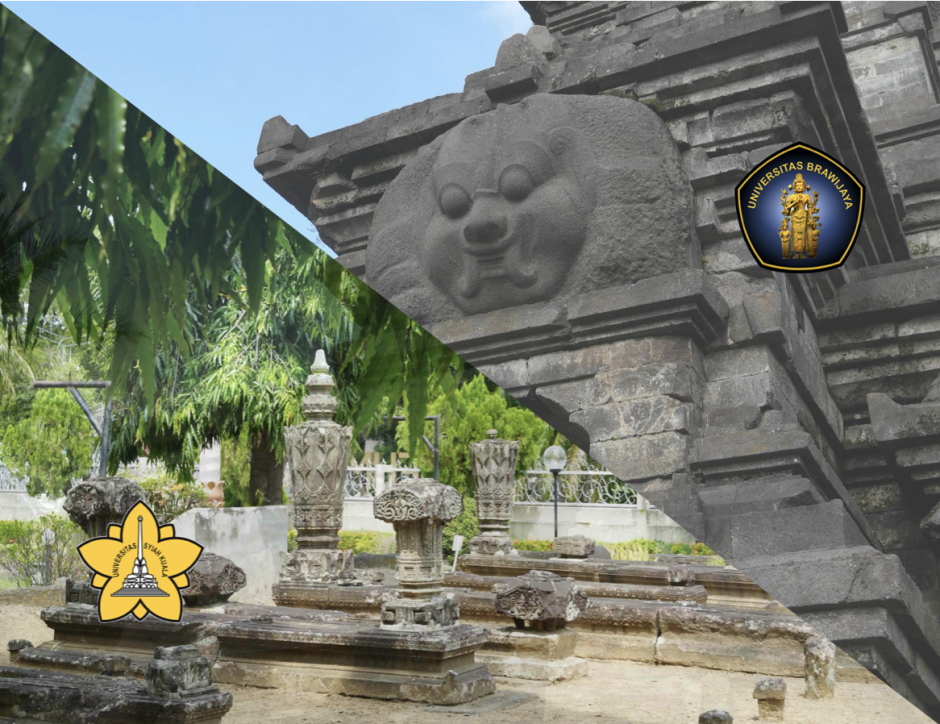
    At UB, the team visited ancient Hindu temples in Malang, called ‘Candi,’ and discussed how to digitize the entire structure, including the carved reliefs and architectural elements. The discussion highlighted that digitizing these candi will serve as a safety net, ensuring that even if the physical structures face challenges in the future, their essence and details are preserved in a digital format. The team also explored how to store and utilize digital data to maximize its impact and accessibility. The project will initiate efforts to increase access to Malang’s unique history and culture while preserving these assets for future generations.

    The project activity was also featured on the UB University website. (Please click HERE)

    Aceh, located in the northernmost part of Sumatra, is home to USK and has played a significant role in the spread of Islam in Indonesia. The area is renowned for its tombstones, which are decorated with Islamic motifs and serve as invaluable resources for understanding the history and culture of Aceh. Discussions and efforts to digitize the decorations and information on these tombstones are underway. This project would not only stimulate research but also enable both local and global communities to explore and share their heritage worldwide, while also supporting online (remote) research activities.

  • SOI Asia Keio Visited ITC (Cambodia)

    SOI Asia Keio Visited ITC (Cambodia)

    On April 4-6, 2024, SOI Asia-Keio, Goki Miyakita and Eliko Akashi, traveled to Cambodia to meet with SOI Asia-ITC: Samnang Khiev and Sieng Chamroeun.

    The primary aim of this gathering was to foster collaboration and cooperation on the ‘Community-Centric Open Science Infrastructure for Digital Humanities in the Asia-Pacific’ project.

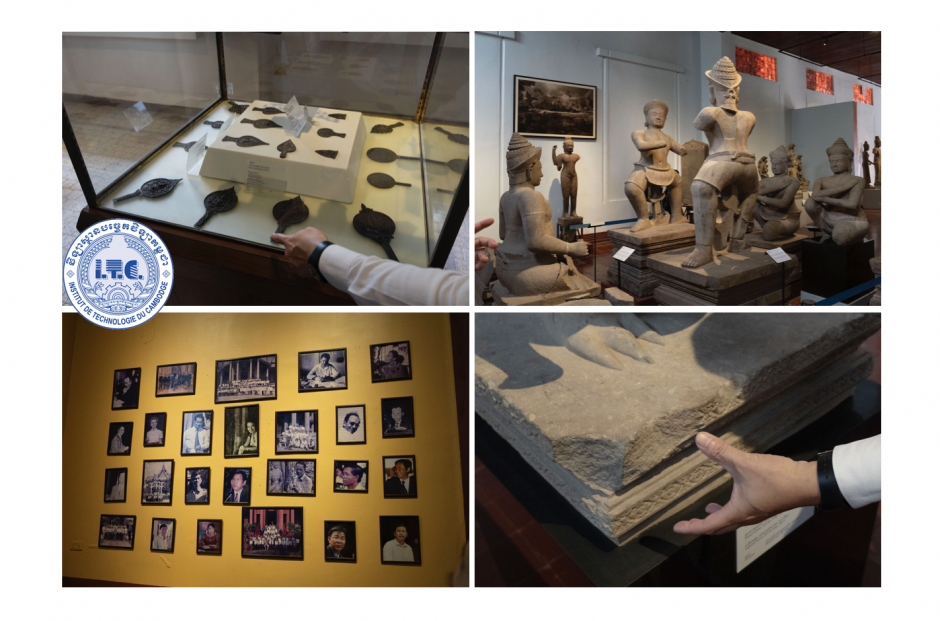
    During the visit, SOI Asia had the honor of engaging in discussions with Mr. Huot Samnang and his esteemed team from the Ministry of Culture and Fine Arts. Our dialogue delved into the current status of Cambodia’s historical artifacts, emphasizing the significance of digitization and proposing practical strategies for preservation. Mr. Huot’s insights shed light on the challenges confronting Cambodia’s cultural heritage and underscored the importance of safeguarding it for future generations. Together, we explored the potential of digitization in preserving these treasures and ensuring their accessibility to a broader audience.

    Following the meeting, Mr. Huot graciously extended an invitation for us to tour the Cambodia National Museum, where he had previously worked. Mr. Huot passionately recounted the stories behind artifacts, highlighting their deep-rooted historical and cultural importance. Our interactions served to reaffirm the critical importance of future collaboration in safeguarding the cultural heritage of the Asia-Pacific region.

    Last but not least, we extend our gratitude to Samnang Khiev and Sieng Chamroeun for their invaluable contributions in facilitating this enriching experience.

    At the Ministry of Culture and Fine Arts
    At National Museum of Cambodia
  • SOI Asia Keio Visited IOE-TU (Nepal)

    SOI Asia Keio Visited IOE-TU (Nepal)

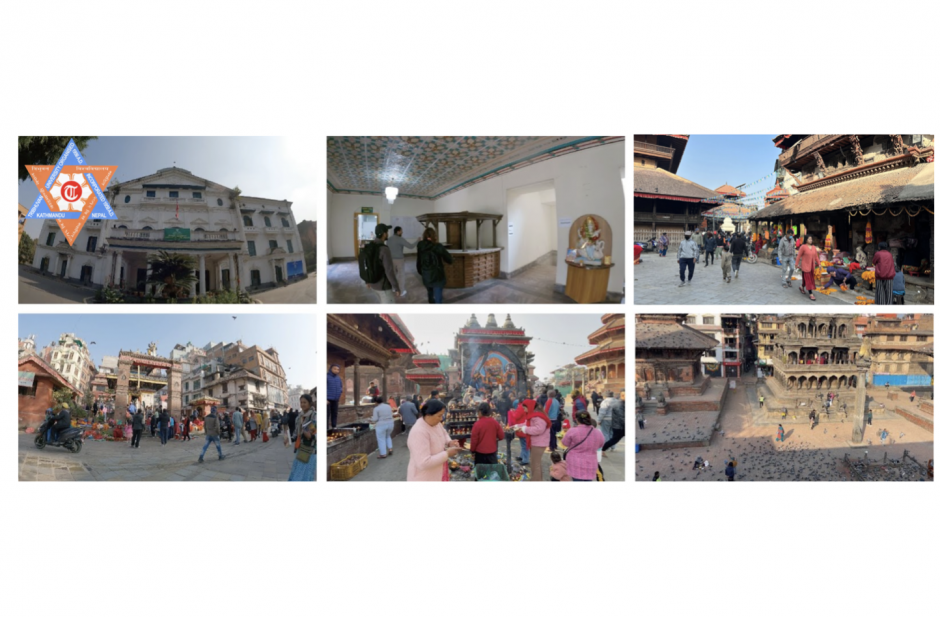
    On December 14-19, 2023, SOI Asia-Keio members Goki Miyakita and Eliko Akashi traveled to Nepal to meet with their counterparts from SOI Asia-IOE TU: Daya Sagar Baral, Sushant Chalise, and Prabin Dhakal. The purpose of this meeting was to discuss collaboration and cooperation on the ‘Community-Centric Open Science Infrastructure for Digital Humanities in the Asia-Pacific’ project. 

    This project aims to create an Open Science Infrastructure (OSI) that not only supports the necessary infrastructural services but also fosters a community and knowledge-based framework, especially in the digital humanities and cultural heritage domains within the Asia-Pacific region.

    During the visit, they had the opportunity to engage in a fruitful meeting with researchers at IOE. They exchanged valuable insights and strategies for implementing the Open Science Infrastructure, focusing on how local cultural narratives, histories, and artifacts can be curated and digitized.

    EBA fieldwork participants from IOE TU, Sudip Tiwari, and Aashish Karki, also welcomed the Keio team. Their efforts to promote EBA in the school have significantly contributed to fostering a foundational understanding of the EBA and SOI Asia project, enhancing the educational and research capabilities of the institutions involved.

    Many thanks to Sushant and his team for their invaluable efforts in making this trip possible!