Category: Inxignia

  • SOI Asia at APRICOT 2026: Community, Coordination, and Advanced Learning

    SOI Asia at APRICOT 2026: Community, Coordination, and Advanced Learning

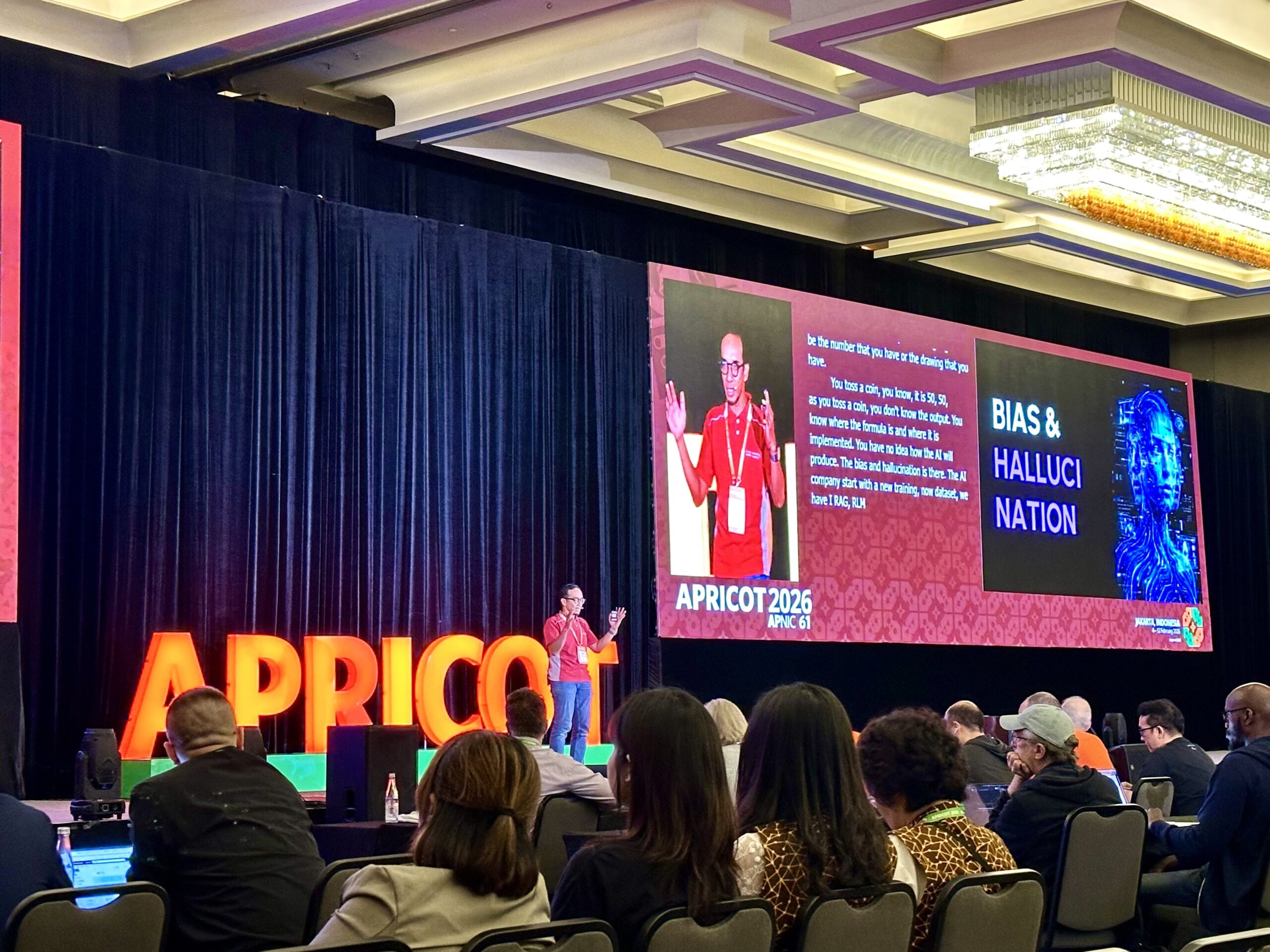
    SOI Asia participated in APRICOT 2026 in Jakarta, engaging across technical workshops, regional coordination meetings, and community exchanges throughout the conference.

    Inxignia at the Masterclasses
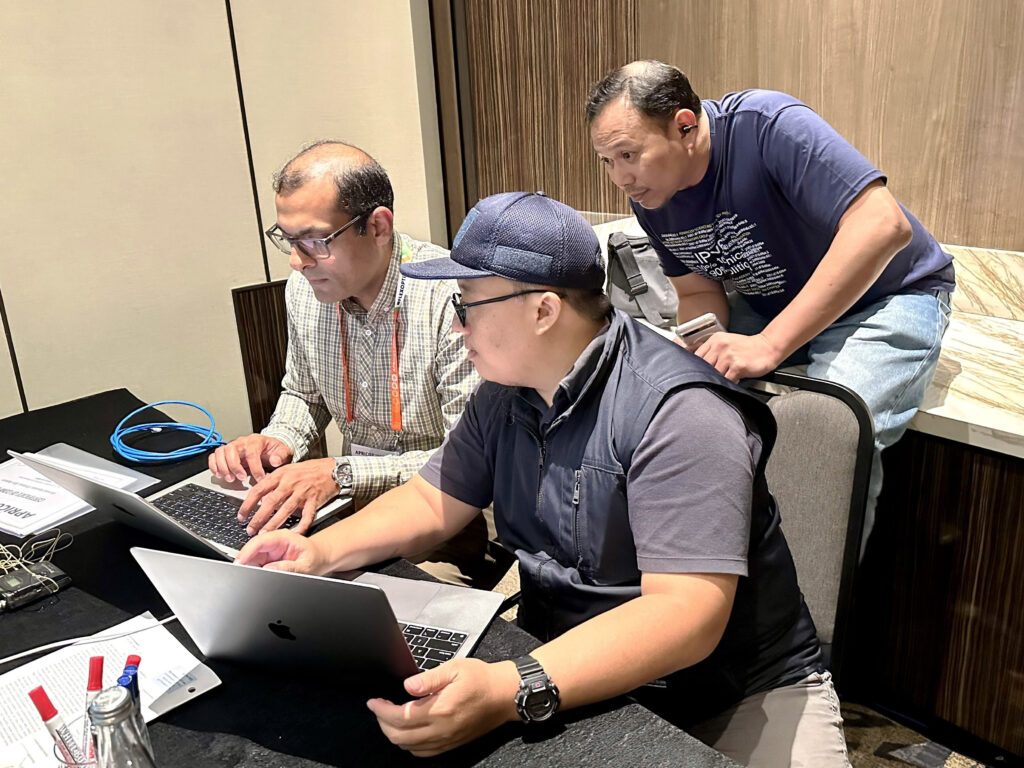
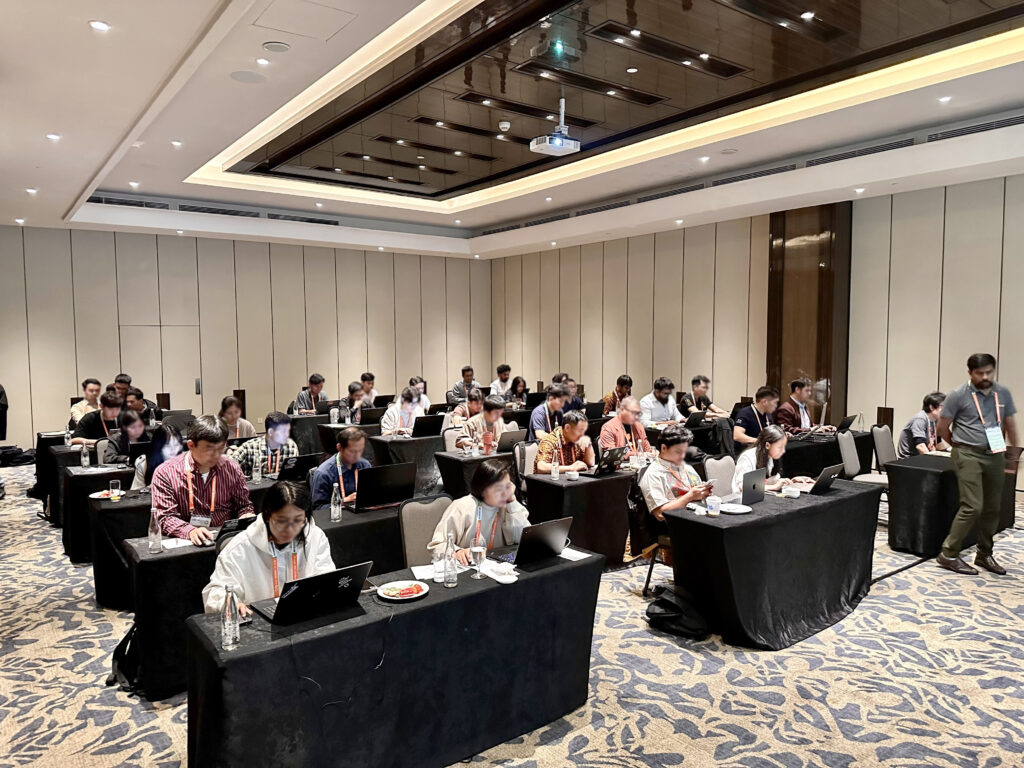
    The week began with the introduction of Inxignia digital badges at the BGP Masterclasses. For the first time, the SOI Asia micro-credential platform was adopted beyond its own network, issuing verifiable badges to participants who successfully completed technical tasks. The initiative highlighted growing interest in recognizing demonstrated skills in community-based learning environments.

    Regional Coordination at the AP* Meeting

    At the AP* Meeting, regional stakeholders reflected on infrastructure deployment, capacity building, and sponsorship alignment across the ecosystem. Discussions emphasized the importance of measuring long-term impact beyond technical implementation and improving coordination and transparency in community support mechanisms. The exchange reflected a maturing regional environment focused on accountability and sustained engagement.

    Advancing Technical Depth: APIE Advanced Camps
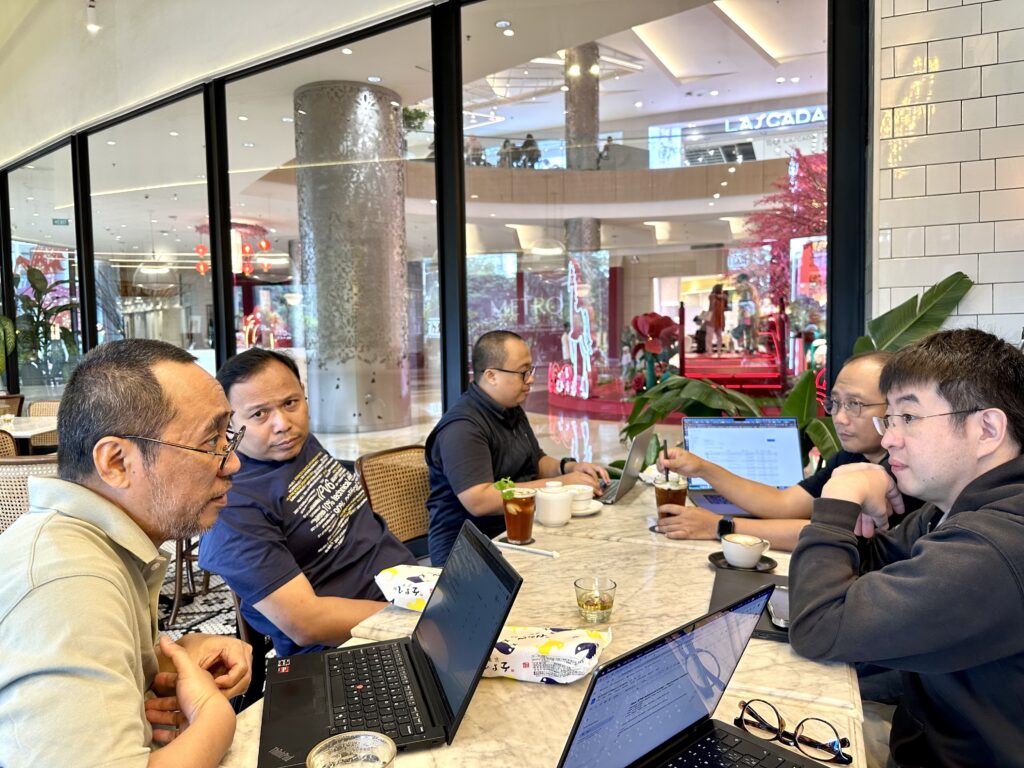
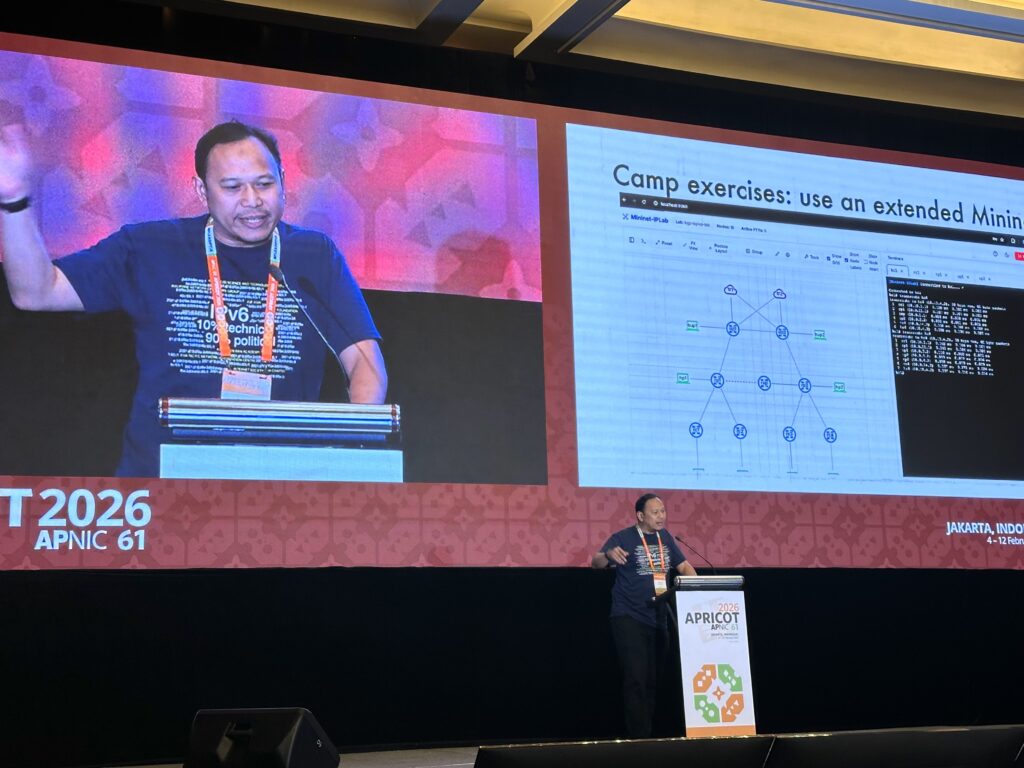
    During a lightning talk session, the new APIE Advanced Camps on BGP and Wi-Fi were introduced. Co-designed with Universitas Brawijaya and piloted earlier this year, the advanced camps represent a deeper technical track within the APIE learning pathway, responding to demand for higher-level specialization.

    Community Conversations and Collaboration

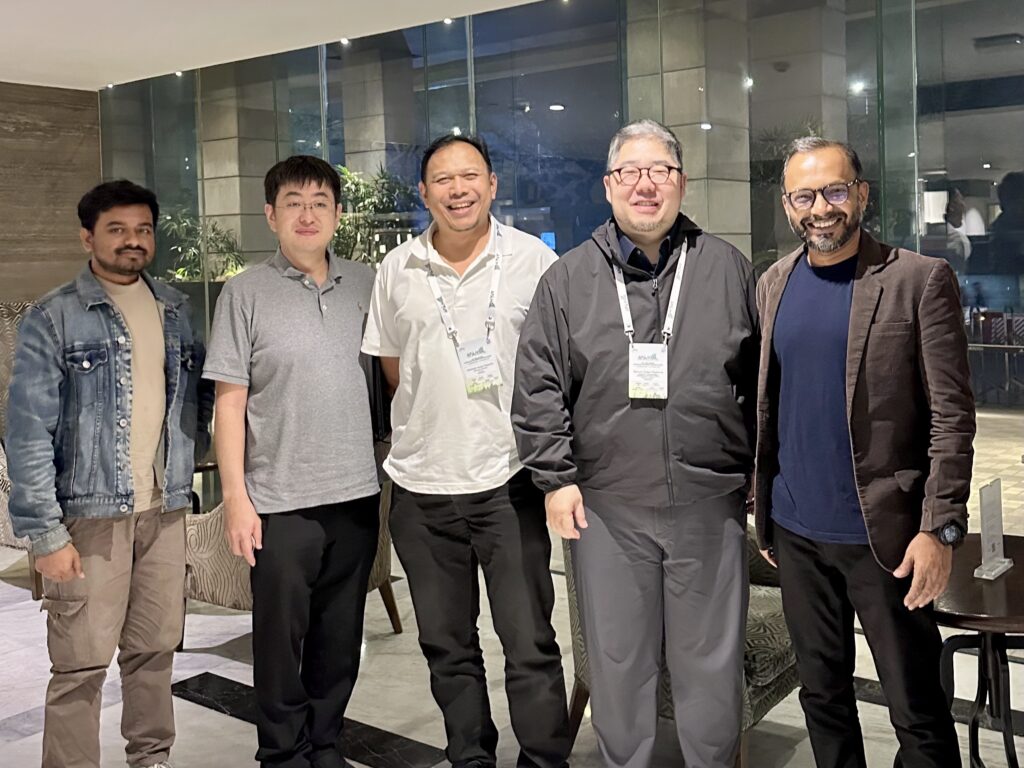
    Beyond the scheduled sessions, SOI Asia met with partners, institutions, and technical community members from across the region. Conversations were marked by positive and constructive feedback on APIE and Inxignia initiatives, along with interest in future collaboration. Exchanges with peers navigating similar challenges — from program sustainability to community engagement — provided valuable insights and shared learning.

    From structured sessions to informal discussions, APRICOT 2026 once again demonstrated its role as a gathering space where technical expertise, educational innovation, and regional coordination intersect.
  • SOI Asia Meets UNESCO: Continuing Dialogue on Open Science and Digital Collaboration

    SOI Asia Meets UNESCO: Continuing Dialogue on Open Science and Digital Collaboration

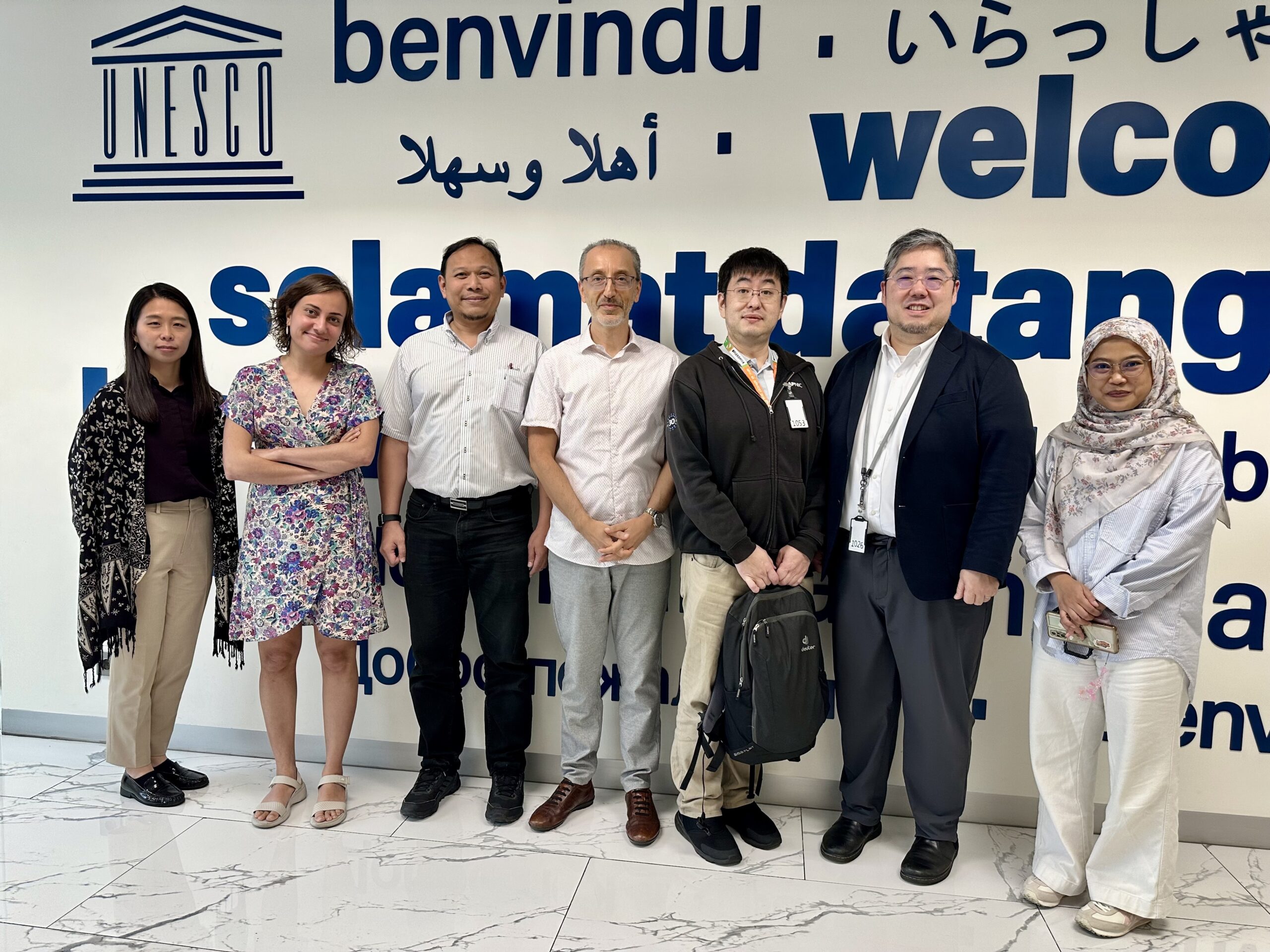
    Featured image caption: (from the left) Kasumi Ochi (UNESCO), Fereshteh R. Najafabadi (UNESCO), Achmad Husni Thamrin (SOI Asia), Engin Koncagul (UNESCO), Noriatsu Kudo (Keio University), Marcos S. Maekawa (APNIC Foundation), and Fitrie A. Nurritasari (UNESCO).

    The SOI Asia delegation visited the UNESCO Jakarta office for what was initially planned as a brief exchange of updates. The meeting quickly evolved into a forward-looking discussion on potential areas of collaboration across Open Science, digital credentials, and inclusive knowledge systems.

    Open Science emerged as a central theme, with shared recognition of the need to strengthen capacity, transparency, and regional participation in research practices across the Asia Pacific. The discussion highlighted opportunities to connect technical communities, academic institutions, and policy frameworks in more integrated ways.

    Particular interest was expressed in SOI Asia’s experience with digital micro-credentials through Inxignia, especially as UNESCO continues exploring accessible, online learning and recognition mechanisms. The Evidence-Based Approach (EBA) initiatives were also discussed as complementary pathways for structured collaboration and knowledge exchange.

    While the visit began as a routine update, it concluded with clear enthusiasm for deepening engagement and identifying concrete next steps.

    The conversation reaffirmed the value of sustained dialogue between technical education networks and international organizations working at the intersection of science, culture, and inclusive digital development.

  • Inxignia Digital Badges Adopted at APRICOT 2026 Masterclasses

    Inxignia Digital Badges Adopted at APRICOT 2026 Masterclasses

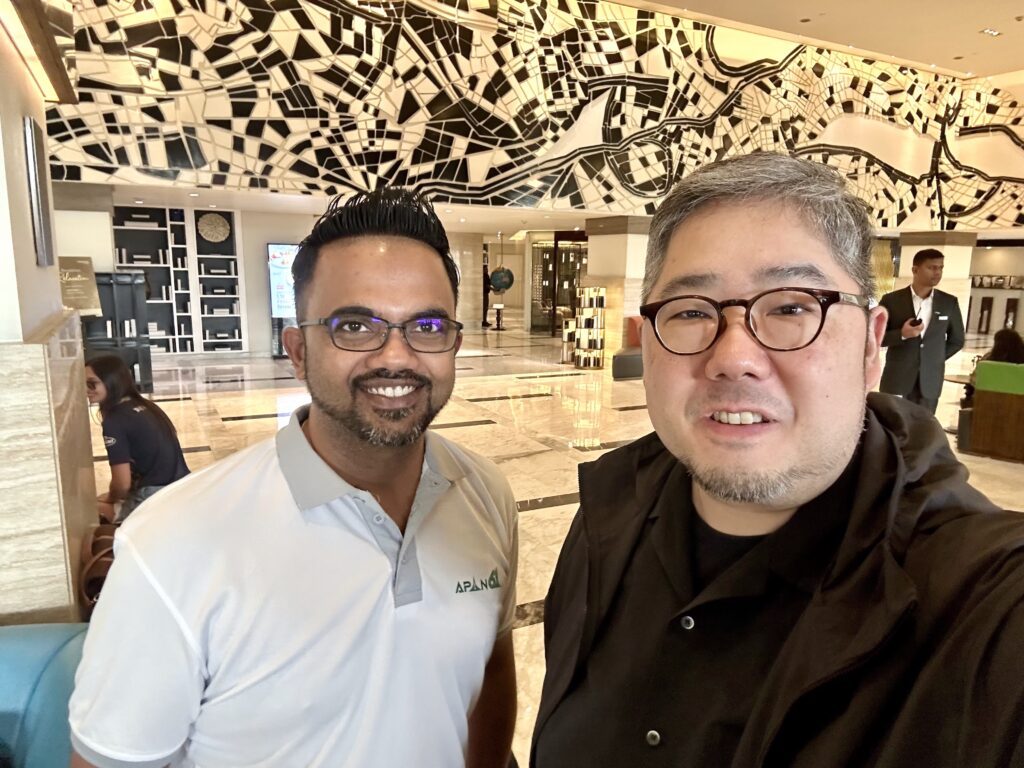
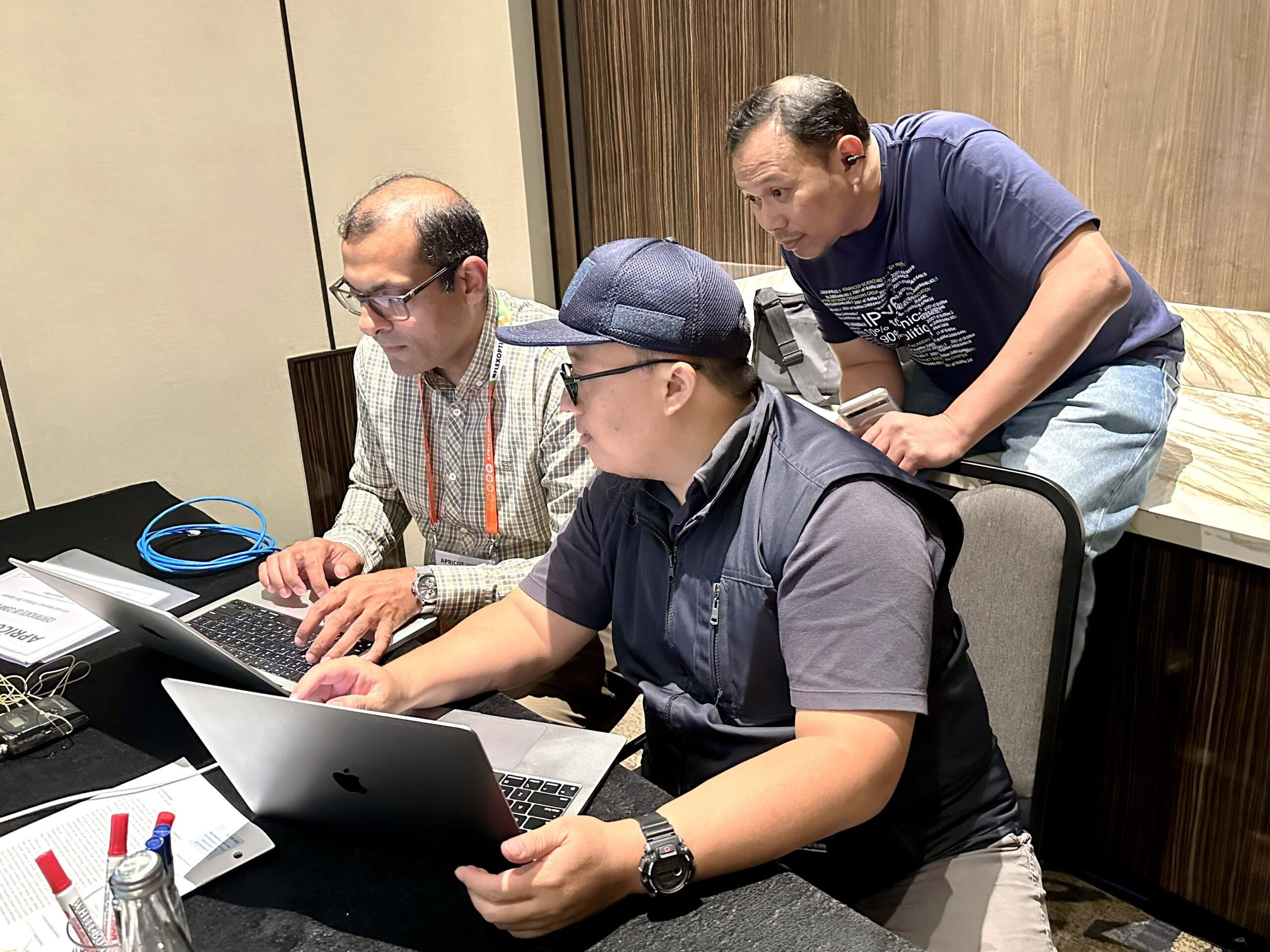
    *Feature image caption: (in the from line, from the left) Aftab Siddiqui (APRICOT/APNIC Foundation), Andrei Ferrian (SOI Asia), (in the back) Achmad Husni Thamrin (SOI Asia).

    At APRICOT 2026 in Jakarta, Inxignia digital badges were issued during the BGP Masterclass — marking the first time that credentials from the SOI Asia micro-credential platform were adopted beyond the SOI Asia community.

    Participants who successfully completed the technical tasks at the end of the workshop received verifiable digital badges in addition to certificates of participation. Rather than recognizing attendance alone, the badges validated demonstrated skills and learning outcomes.

    Feedback from the APRICOT team indicated strong engagement from participants, with many showing clear commitment to completing the required tasks in order to earn their badges. The presence of a verifiable credential appeared to reinforce both motivation and accountability in the learning process.

    Originally developed to support learning mobility and recognize diverse educational experiences across the SOI Asia network, Inxignia uses Open Badges standards to make technical achievements visible beyond formal education settings. Its adoption at APRICOT signals a broader relevance for digital credentials in community-based technical training across the Asia Pacific.

    As short courses, workshops, and collaborative programs continue to shape how Internet professionals build skills, meaningful recognition mechanisms become increasingly important. The integration of Inxignia at APRICOT 2026 reflects a growing ecosystem interest in validating learning in flexible, accessible ways.

  • SOI Asia at APAN 61: Engagements in Learning Pathways, Credentials, and Community

    SOI Asia at APAN 61: Engagements in Learning Pathways, Credentials, and Community

    SOI Asia participated in APAN 61, held in Dhaka, Bangladesh, contributing to regional discussions on Internet education, capacity building, and collaboration across Asia and the Pacific. This participation followed the strengthening of SOI Asia’s relationship with the APAN community after the MoU signed at APAN 59 in Yokohama, and reflected continued engagement through joint sessions and partner collaboration.

    SOI Asia–led session on learning pathways

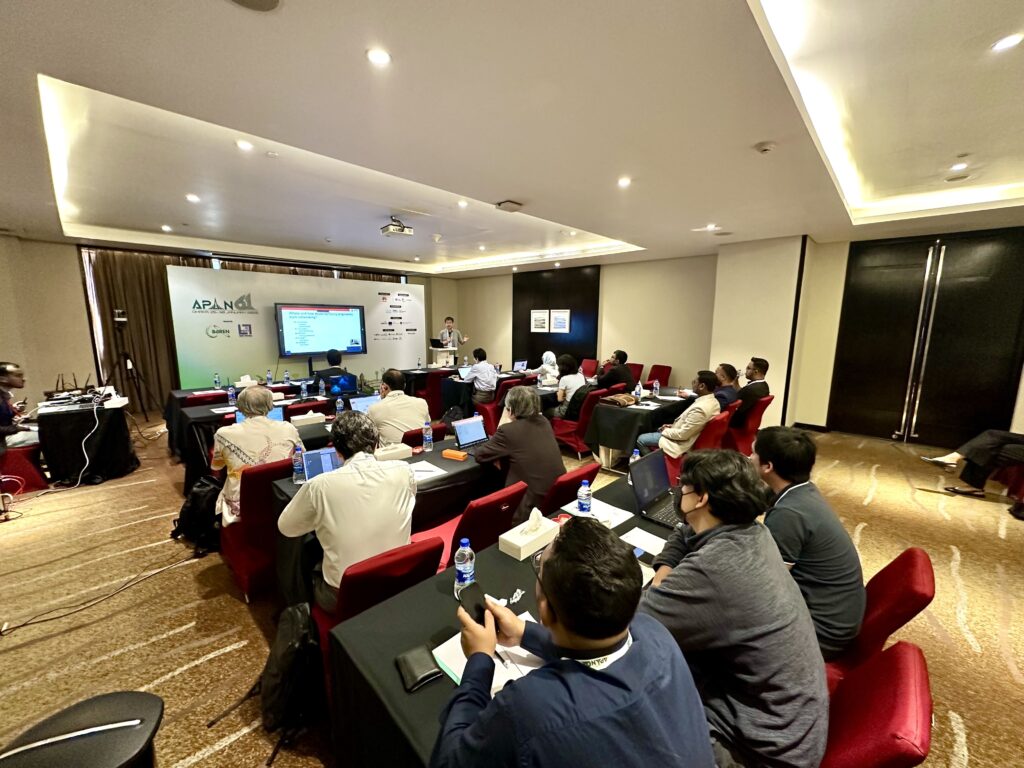
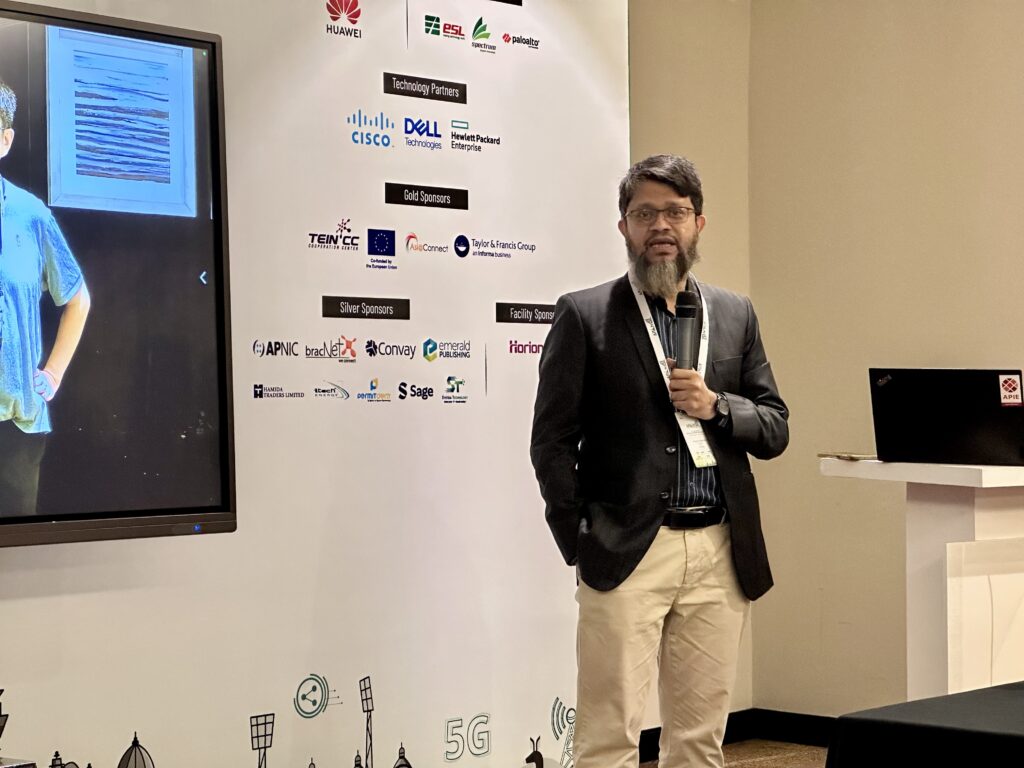
    SOI Asia led a dedicated session titled Designing Learning Pathways for the Next Generation Internet Engineers, facilitated by Noriatsu Kudo, lead of the APIE program. The session highlighted SOI Asia’s approach to capacity building through collaboration among universities, research and education networks, industry, and learning communities.

    The panel brought together perspectives from academia, industry, and learners.
    Prof. Hossen Mustafa (Bangladesh University of Engineering and TechnologyInstitute of Information and Communication Technology) discussed shared challenges faced by universities across the region, including limited teaching capacity and the need for more practical, hands-on learning opportunities beyond formal curricula.

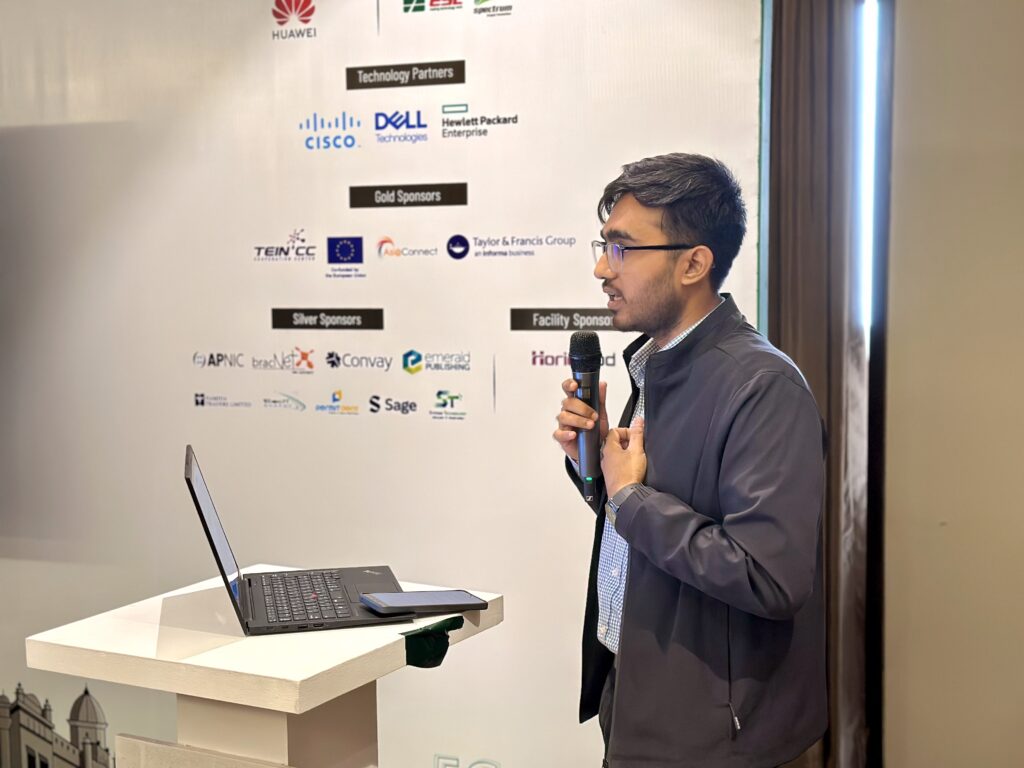
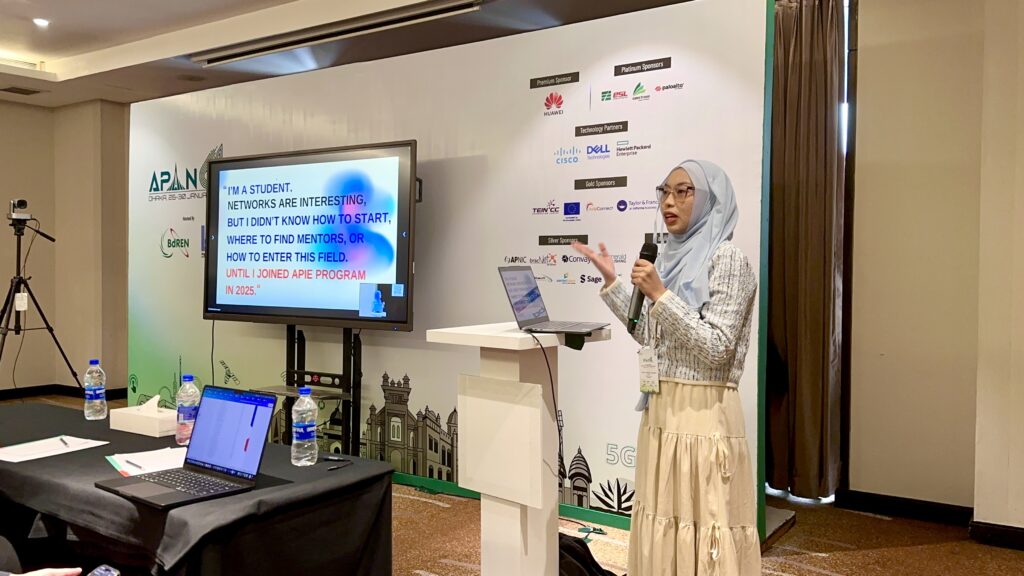
    Learner perspectives were provided by Arnab Nath (BUET) and Syifani Adilllah Salsabila (Universitas Brawijaya), both APIE alumni. Syifani also participated in APAN 61 as a fellow, bringing a learner-centred perspective grounded in both academic study and regional community engagement. They reflected on how APIE enabled cross-border peer learning, engagement with communities and industry, and access to opportunities beyond formal academic programs.

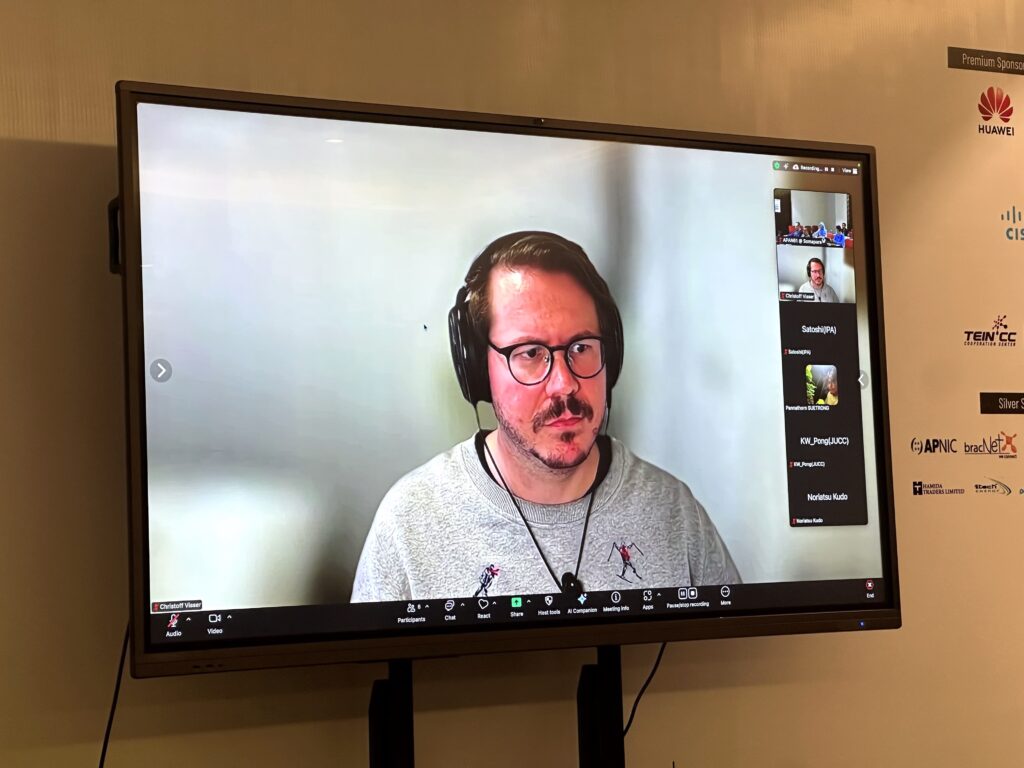
    From the industry perspective, Christoff Visser (IIJ – Internet Initiative Japan) shared how industry partners are contributing to the development of new curriculum components for the APIE Advanced Camp, alongside efforts to promote internship opportunities that support learners’ transition from training to practice.

    The session concluded with a focused exchange on learner progression and mobility, including how universities, communities, and shared digital credentials can support smoother transitions across programs and learning pathways.

    Keynote contribution at the Closing Ceremony

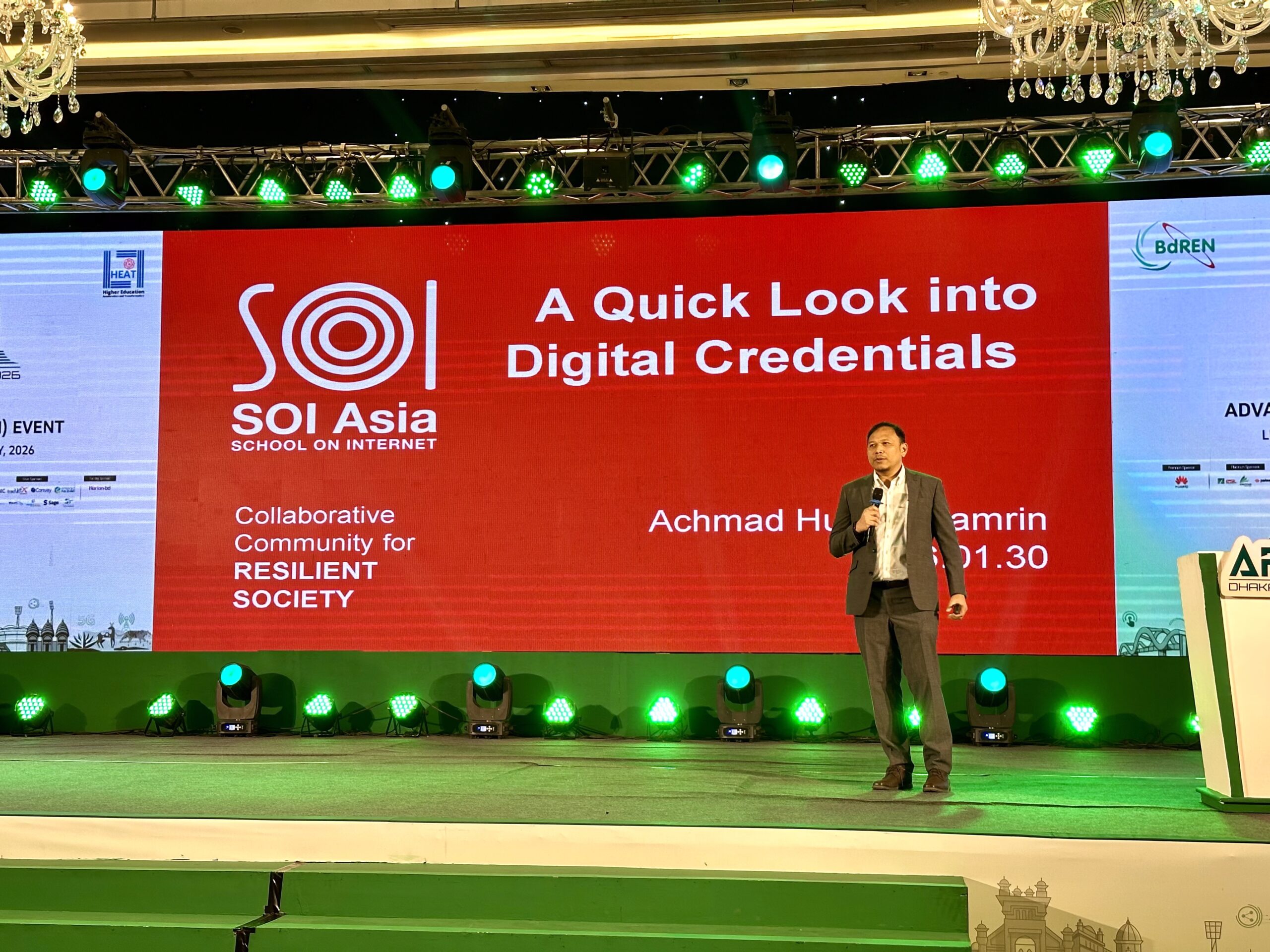
    At the APAN 61 Closing Ceremony, Achmad Husni Thamrin represented SOI Asia with a keynote on digital credentials. The presentation introduced SOI Asia’s work on portable digital credentials and discussed how shared recognition mechanisms can support learner mobility, skills visibility, and progression across programs, institutions, and communities.

    Partner and community engagements

    APAN 61 also provided opportunities to reconnect with SOI Asia partners and collaborators, including Bani Lara and Franz de Leon (ASTI), and Karma Jamyang (DrukREN). These exchanges focused on ongoing collaboration and future directions related to research and education networking in the region.

    SOI Asia also met with Shankar Karuppayah, founder of BitRanger and an ISIF Grant recipient from Malaysia, to discuss community-driven initiatives and the longer-term impact of regional learning programs. In addition, discussions with Shamim Reza and Dihan Islam Olif from The Team Phoenix, another ISIF Grant recipient in Bangladesh, covered updates on cybersecurity community activities, university engagement, mentorship, and fellowship initiatives.

    The team also caught up with Thy Boskovic (APNIC) and Jamie Gillespie, a cybersecurity specialist who has previously contributed to the APIE e-Workshop series as a lecturer, exchanging views on community engagement and capacity-building efforts in the region.

    Through its participation in APAN 61, SOI Asia reinforced its engagement with the APAN community and regional partners, and reaffirmed its commitment to supporting inclusive, connected, and sustainable learning pathways for Internet education and practice across Asia and the Pacific.

  • Reorganization of SOI Asia Digital Badges on INXIGNIA

    Reorganization of SOI Asia Digital Badges on INXIGNIA

    SOI Asia is currently undertaking a reorganization of all digital badges issued through the INXIGNIA platform (https://inxignia.soi.asia). This renewal is part of our ongoing efforts to ensure that badges more accurately reflect the content and learning outcomes of our educational programs.

    To support this renewal, we have stablished guidelines that define standards for badge names, descriptions, criteria, and other related information. A series of updates will be implemented over the coming weeks. 

    If you have already received a badge, no action is required at this time — updates will be applied automatically as part of this process. These improvements will also benefit students who share their badges on social media or other platforms, as the updated badges provide clearer recognition of the knowledge and skills they have acquired.

    Through these efforts, SOI Asia reaffirms its commitment to advancing the development and adoption of high-quality digital credentials within our community, across the Asia-Pacific region, and beyond.

    For a complete list of badges issued by SOI Asia, please visit: https://www.soi.asia/badge/