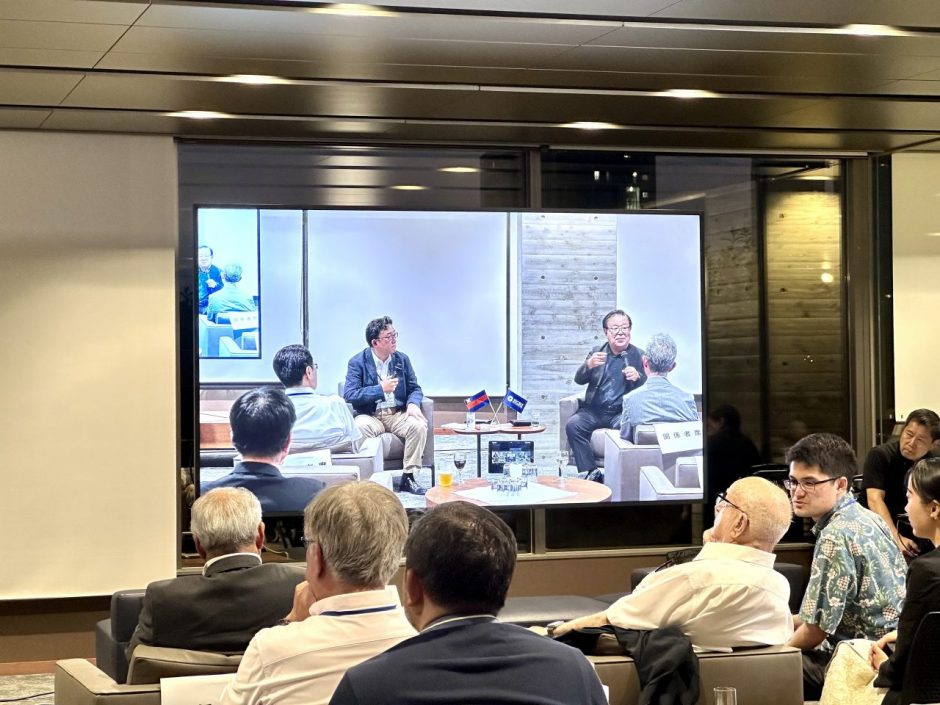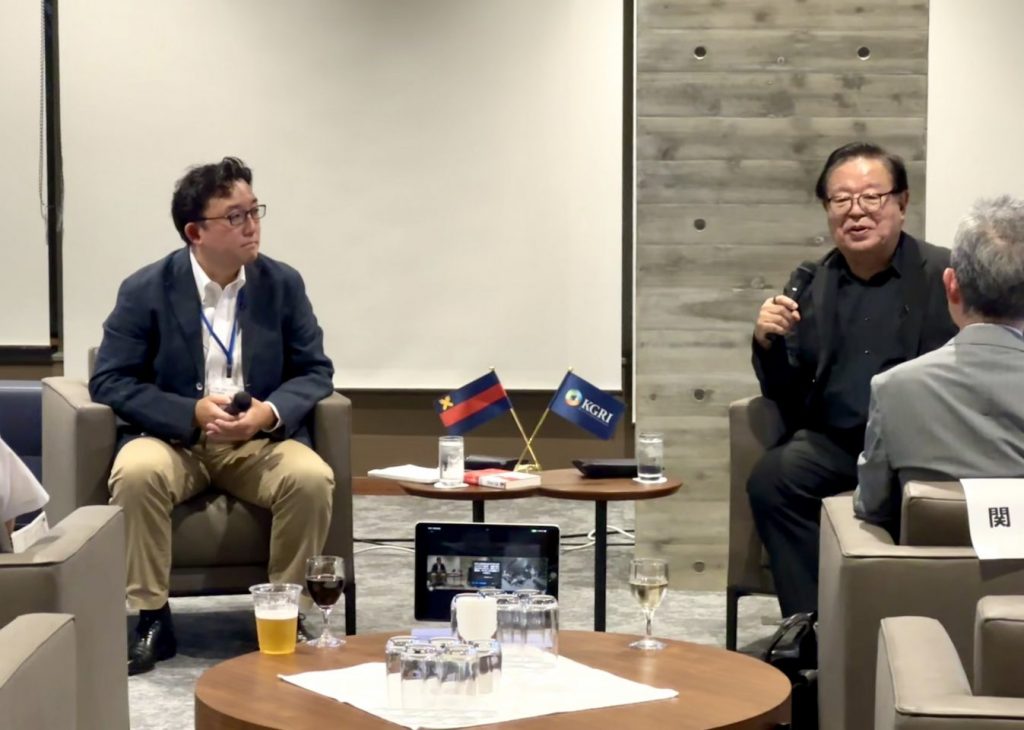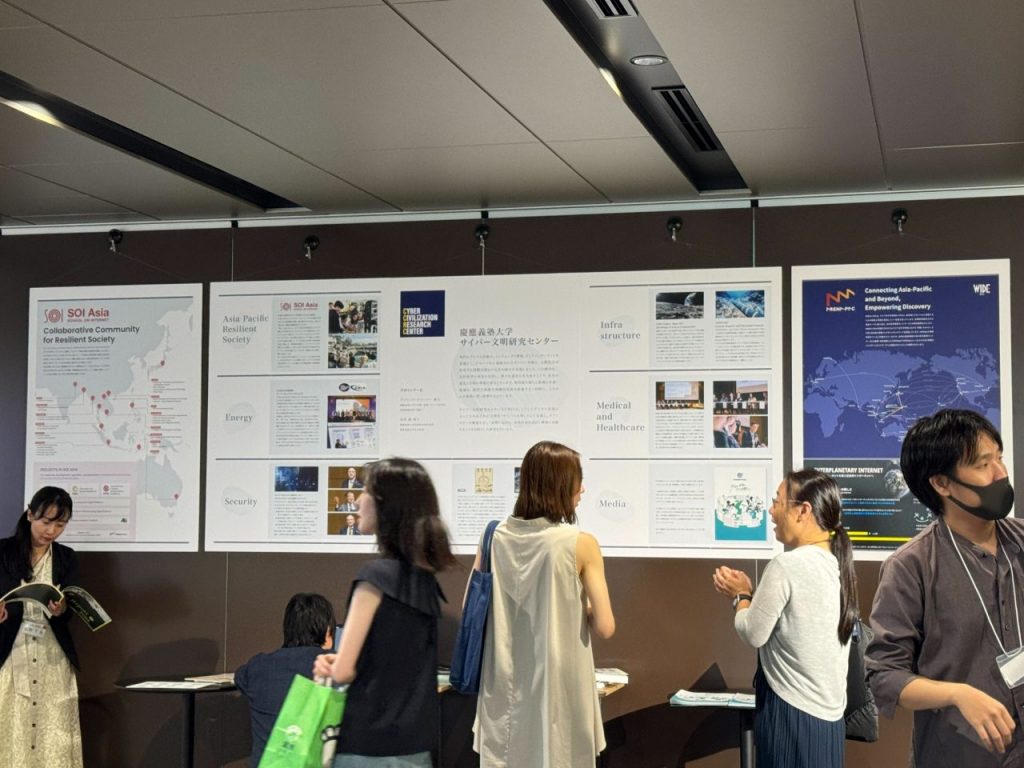
On August 22, 2025, Keio University Global Research Institute (KGRI) kicked off its new event series “Legend Talk” at the Mita Campus Innovation Lounge. Themed “The Future We Build with Technology — Fukuzawa Yukichi’s Vision,” the event featured the Cyber Civilization Research Center (CCRC), with a showcase of research activities and a dialogue between Professor Jun Murai, Co-Director at KGRI, and Tatsuya Kurosaka, Project Associate Professor at Keio University.
The evening opened with the CCRC Overview poster session, where guests could meet project members and learn more about each initiative. Among them, the Asia Pacific Resilient Society (APRS) Task Force — essentially SOI Asia — presented its activities through posters and videos, highlighting SOI Asia’s role in building collaborative education and research opportunities across the Asia-Pacific region.
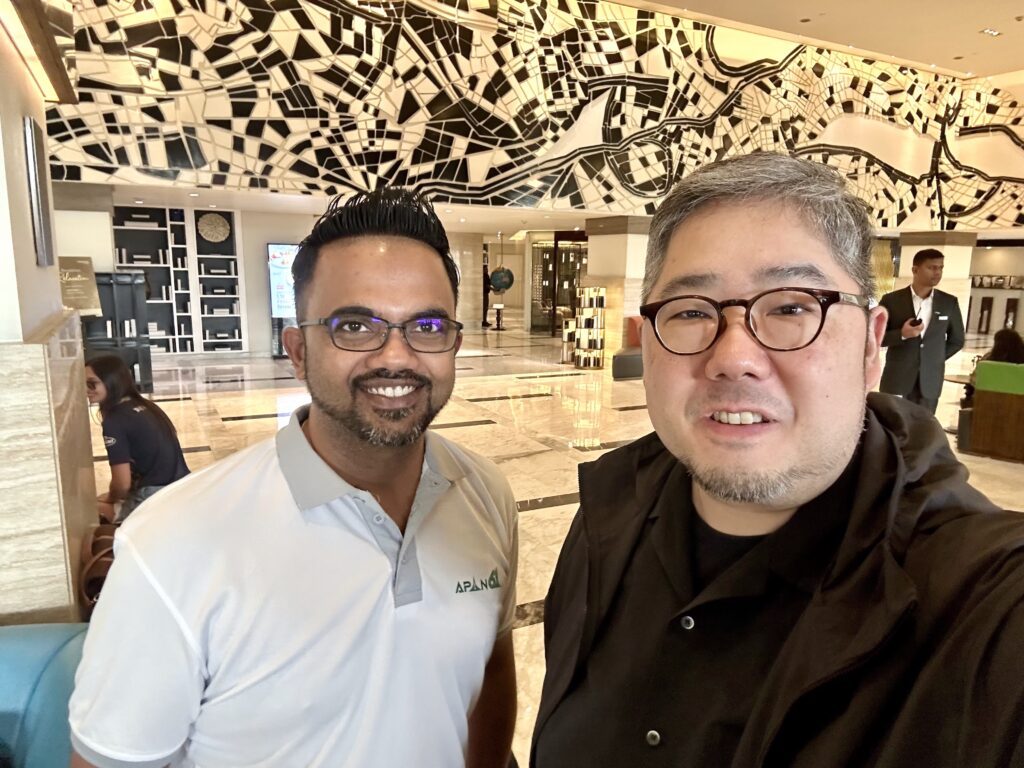
Tatsuya Kurosaka and Jun Murai (on the right)
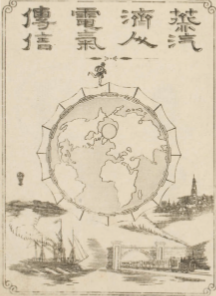
During the public talk, Murai and Kurosaka explored the future of the Internet, AI, and society through the lens of cyber civilization. A particularly memorable moment came when Murai referenced Keio University founder Yukichi Fukuzawa’s 19th-century vision of a connected world. He shared a drawing from Seiyō Jijō (Conditions in the West), where the globe is connected by electric wires — an early vision of what would become today’s Internet.
The session concluded with an open networking exchange among faculty, students, and corporate participants. The event not only celebrated Fukuzawa’s foresight but also connected it to ongoing CCRC initiatives, demonstrating how research, innovation, and collaboration continue to shape the future. SOI Asia is honored to be part of this dialogue, contributing to the vision of an interconnected Asia-Pacific community.
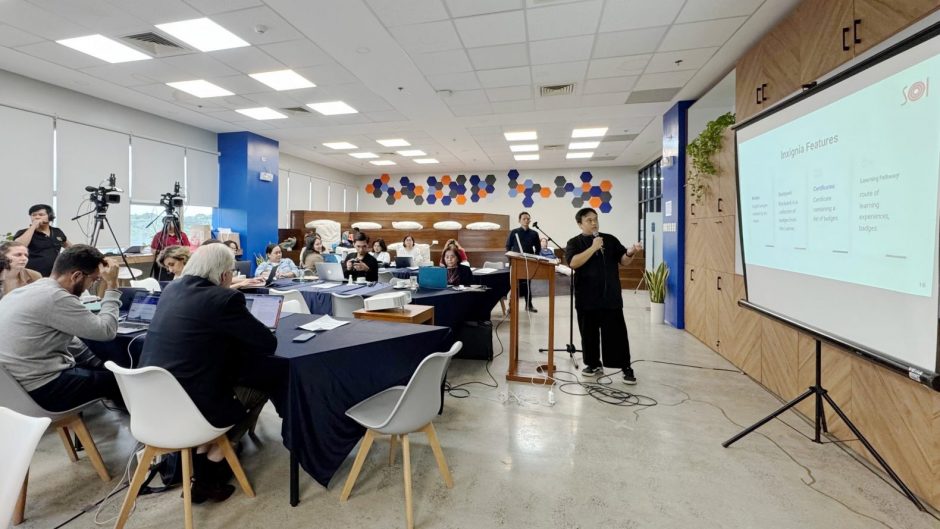
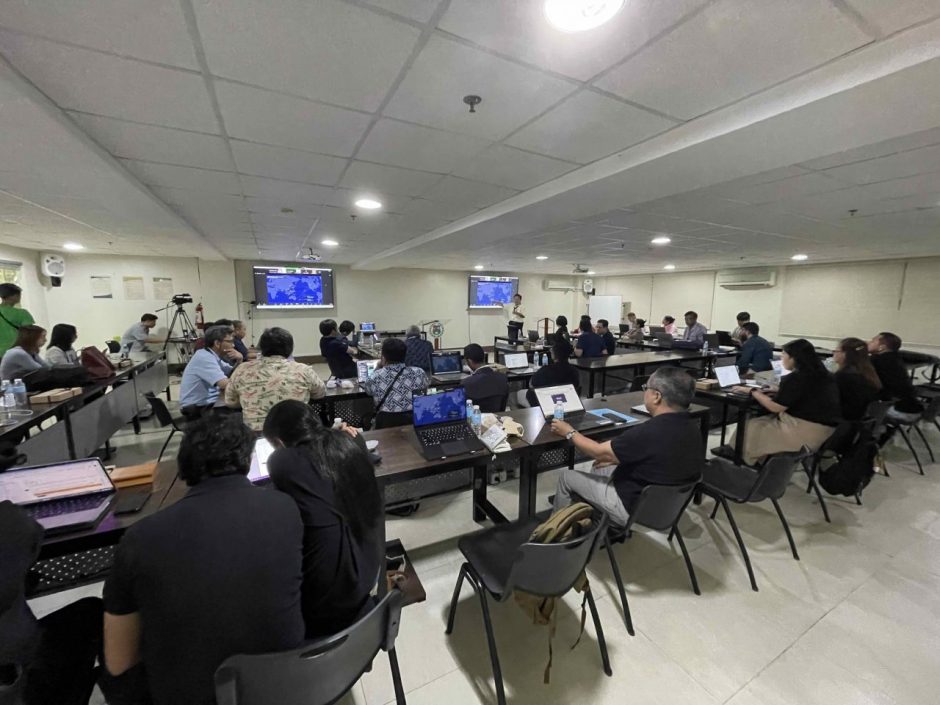
On July 29, 2025, SOI Asia hosted the panel session “Participating in the Internet: Internet Governance for Everyone” at the Asia Pacific Advanced Network Conference 60 (APAN60) in Hong Kong. The 90-minute discussion brought together prominent voices in Internet governance to explore how capacity-building initiatives can foster meaningful participation in shaping the Internet’s future.
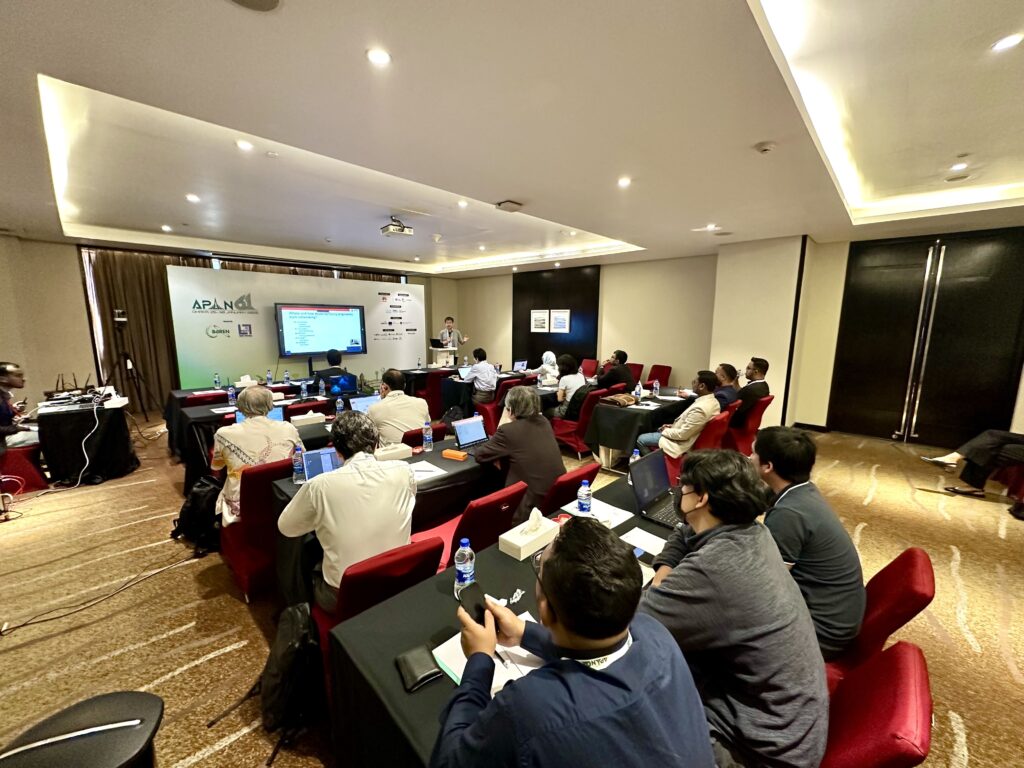
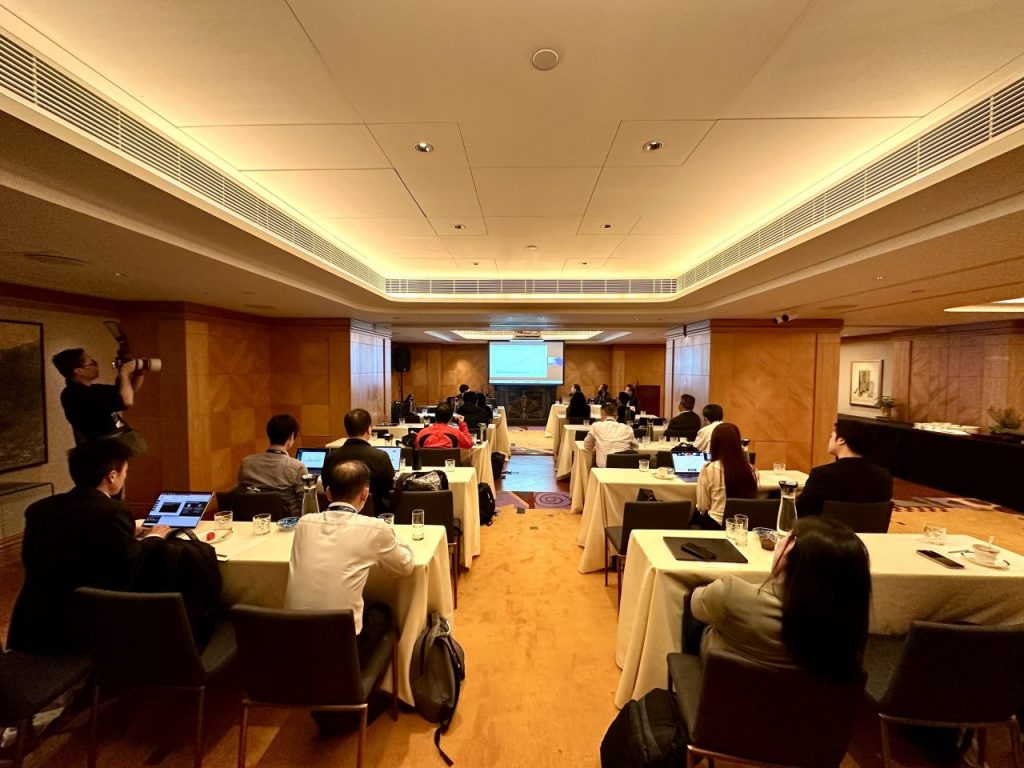
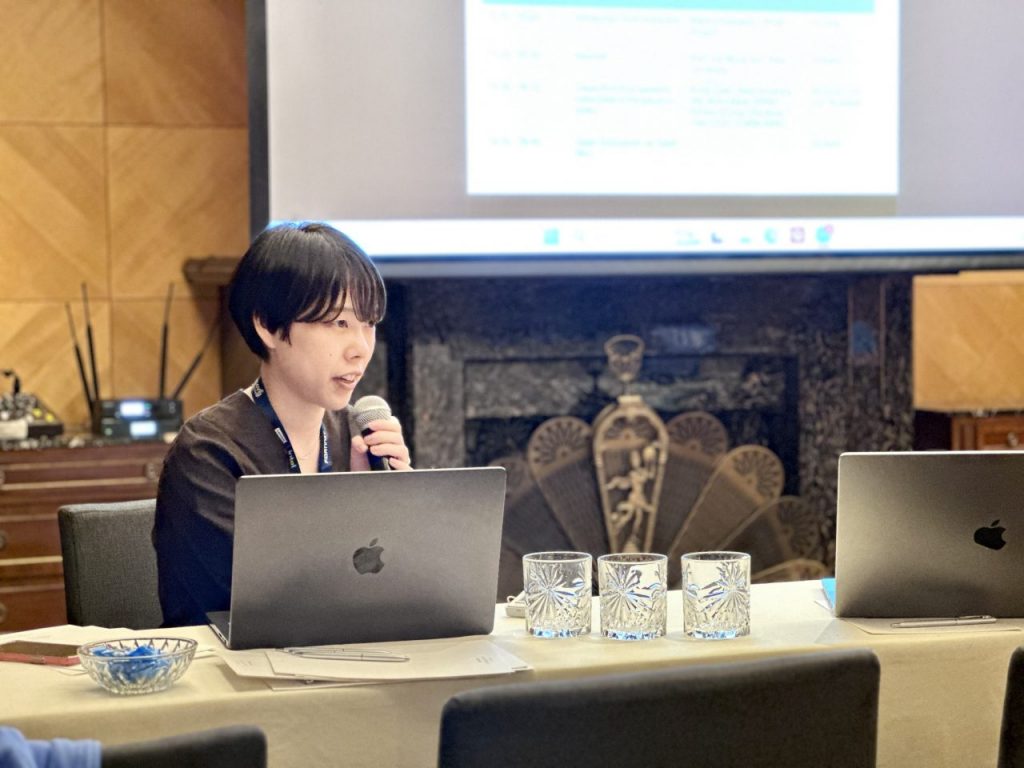
Panel session venue at the Grand Hyatt Hotel in Hong Kong.
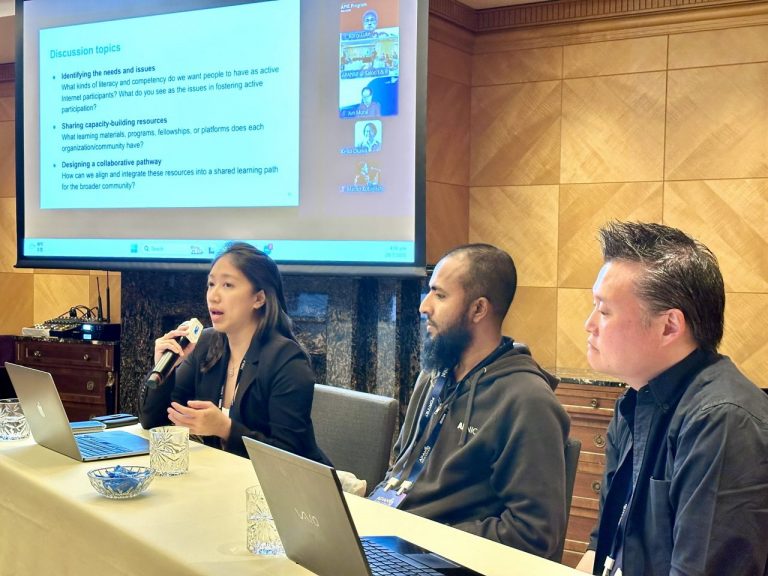
The panel was co-chaired by Ms. Mariko Kobayashi (WIDE Project) and Mr. Korry Luke (Keio University) and featured:
Jun Murai – Senior Advanced Research Professor, Keio University / Founder, WIDE Project (online participation)
Yien Chyn Tan – Director of Stakeholder Engagement, ICANN APAC
Md. Abdul Awal – Network Analyst and Trainer, APNIC
The session opened with Prof. Jun Murai’s overview of how the Internet works—its open, distributed, and multi-stakeholder nature—and the evolving ways it connects people, from global satellite coverage to experimental initiatives. Korry Luke followed introducing the new SOI Asia online course Participating in the Internet.
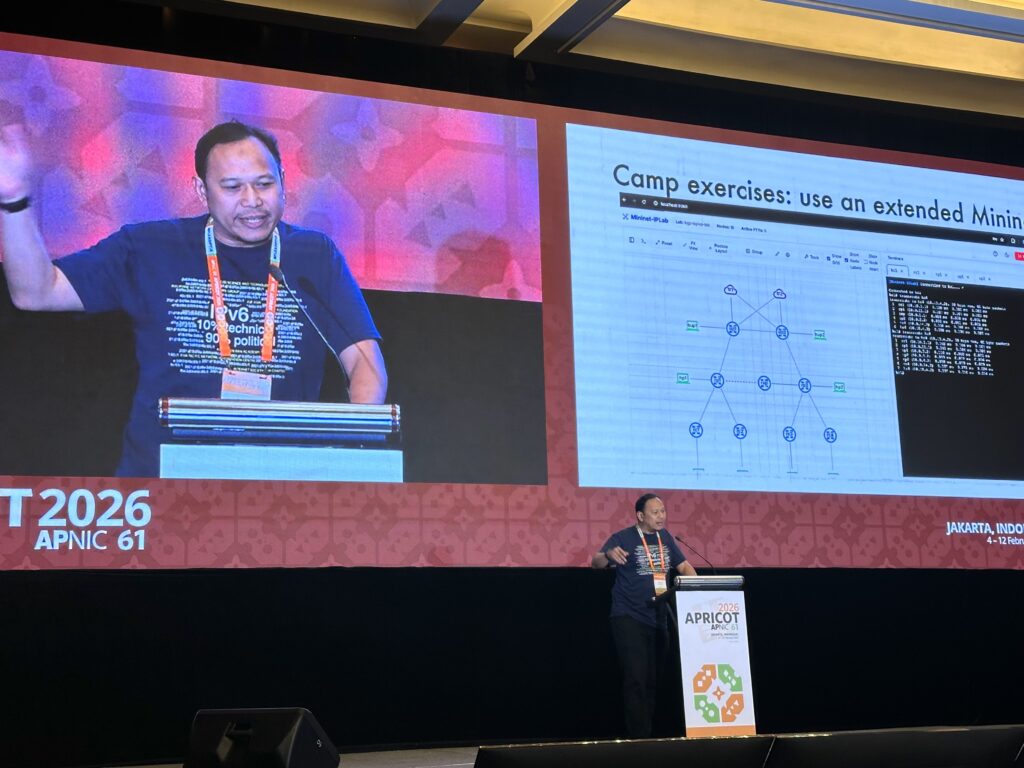
Jun Murai started the session with important highlights of the Internet.
Panelists then explored the skills and literacy needed for active Internet participation. Edmon Chung started highlighting the importance of understanding cultural characteristics in Asia as a starting point for meaningful engagement. Md. Abdul Awal shared insights from APNIC’s experience in fostering a collaborative culture across its community. Yien Chyn Tan offered perspectives from Southeast Asia, noting encouraging progress in engagement over the past year while emphasizing the need to broaden outreach beyond youth audiences.
Sharing Capacity-Building Resources
In the second part of the discussion, panelists introduced the capacity-building programs their organizations offer. Awal described APNIC’s hands-on training initiatives and commended SOI Asia’s APIE Program as a unique opportunity for younger students to gain practical Internet engineering skills. Chung reflected on the fact that the challenge is not a shortage of fellowships or programs, but rather a need to generate sustained interest and ensure long-term engagement. He emphasized the value of alumni networks, opportunities for policy involvement, and creating pathways for organizations to welcome fresh voices into decision-making spaces.
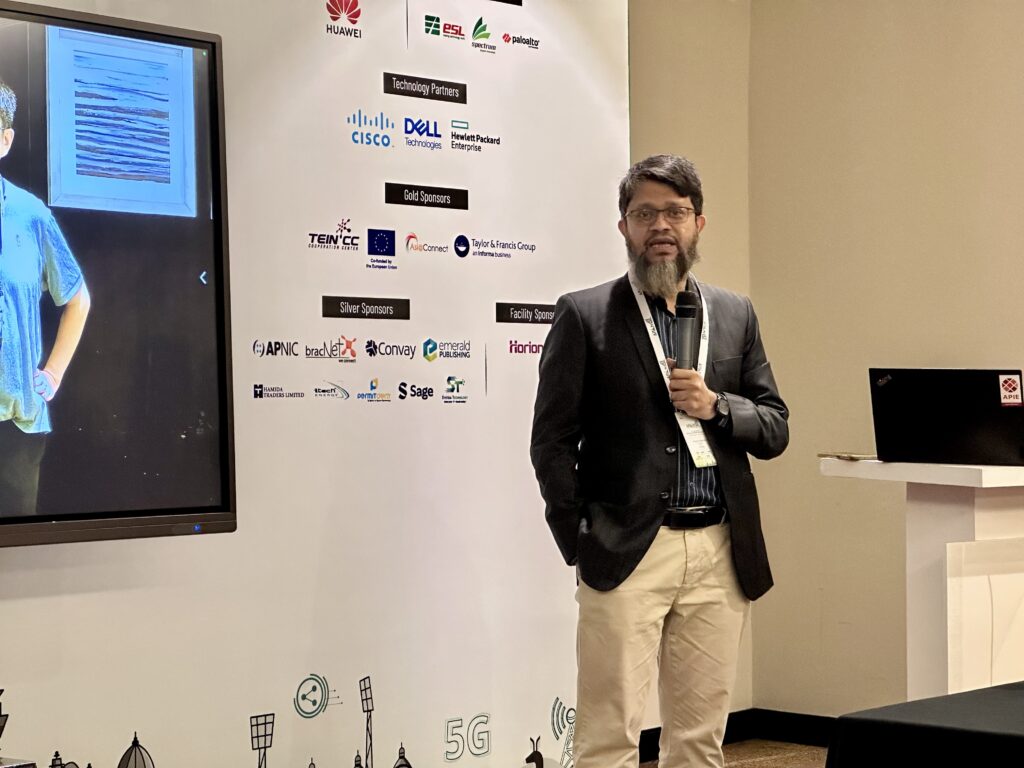
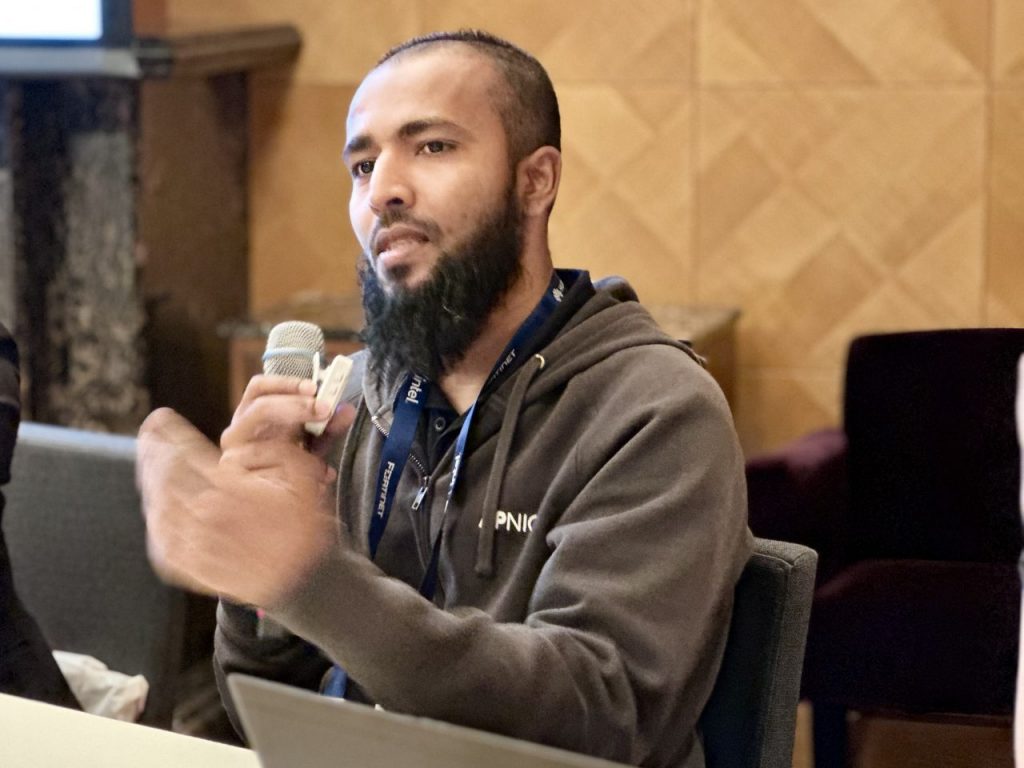
Abdul Awal (APNIC) describes valuable opportunities available for younger generations in the field.
Tan outlined the range of ICANN-supported programs and acknowledged that the abundance of opportunities can sometimes leave learners uncertain about where to begin. She called for closer collaboration among stakeholders to help participants navigate these options more effectively, highlighting the importance of language accessibility and the need to involve the private sector in addressing funding and resource challenges.
Designing a Collaborative Pathway
The final segment of the session focused on how these diverse efforts could be better integrated into a cohesive, collaborative pathway for Internet governance participation. Drawing on their experience, Prof. Murai and Mr. Luke emphasized the importance of aligning regional strengths to support participants over the long term. Ms. Kobayashi proposed that the community should consider a “career ladder” approach—enabling individuals to progress from initial engagement to more advanced, sustained roles in the Internet governance ecosystem.
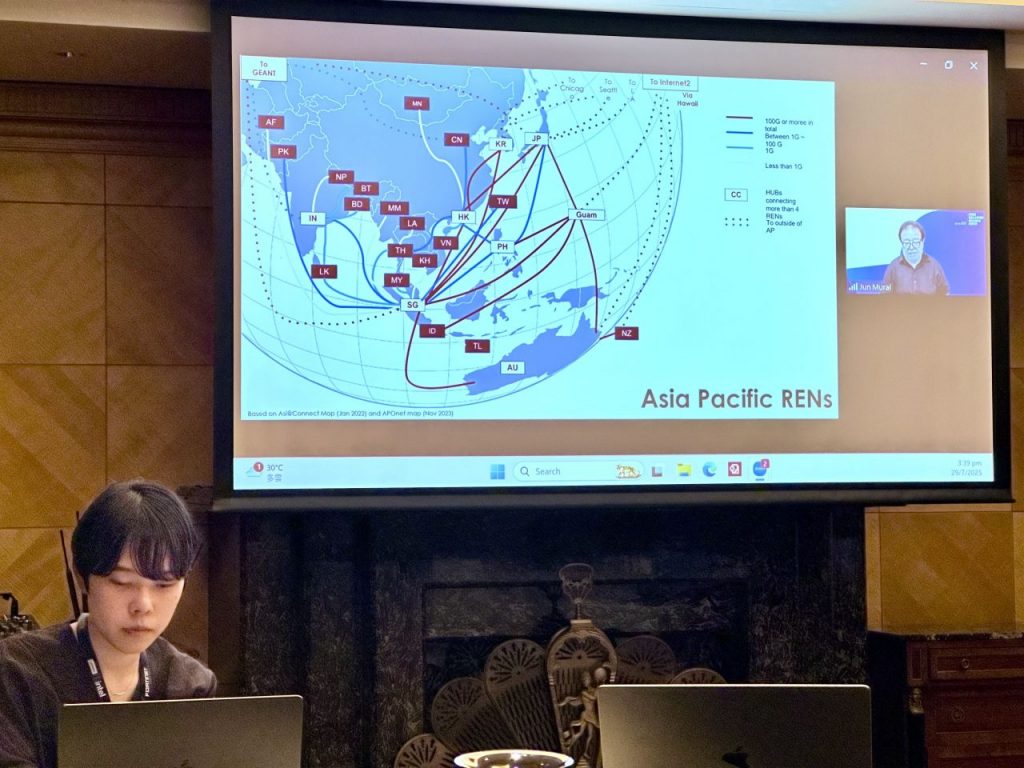
On screen, Jun Murai shows the coverage of research and networks in the Asia Pacific.
The discussion concluded with a shared understanding that collaboration, accessibility, and retention are key to building a stronger Internet governance community in the Asia-Pacific.
Looking Ahead
The discussions revealed both shared priorities and practical steps toward stronger collaboration in the Asia-Pacific Internet governance community. Participants agreed on the importance of aligning resources, addressing barriers such as language and access, and creating clear pathways for ongoing participation.
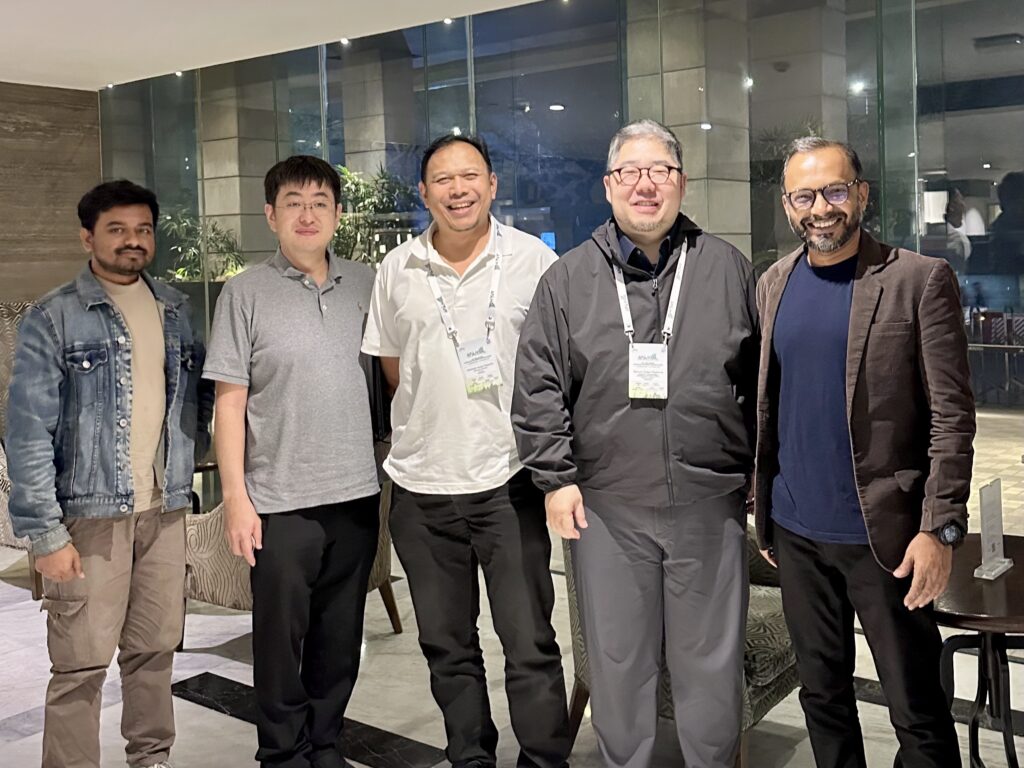
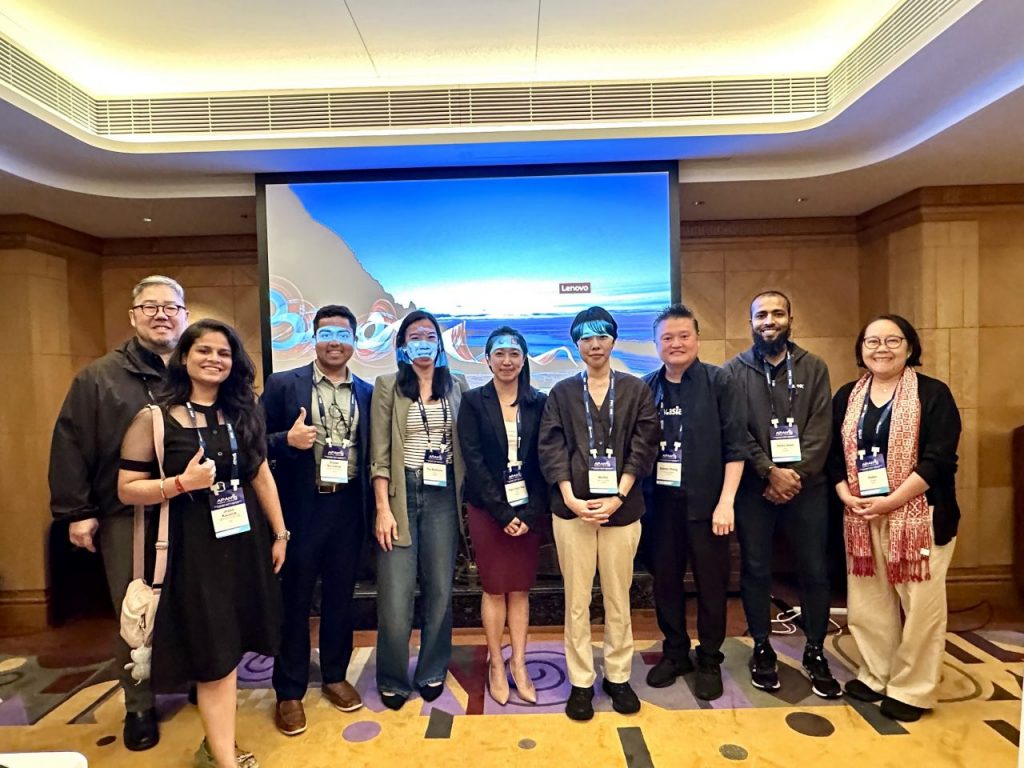
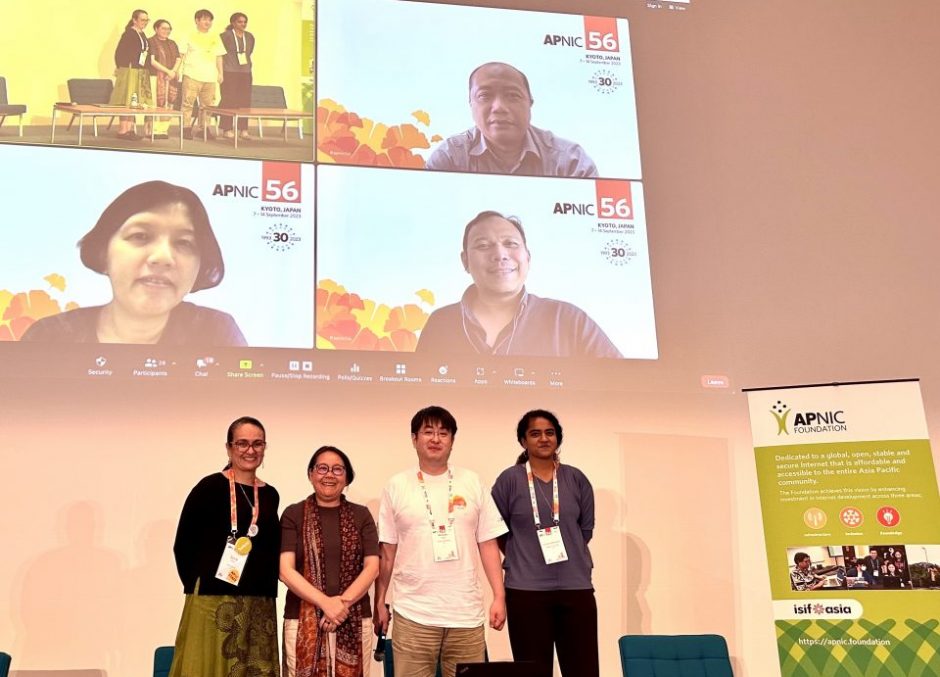
Panelists, organizers and participants after the Q&A that closed the session.
As Prof. Murai noted, the Asia-Pacific has a unique role to play not only within the region but also in shaping global Internet governance. This conversation is just the beginning of a longer, collaborative journey.
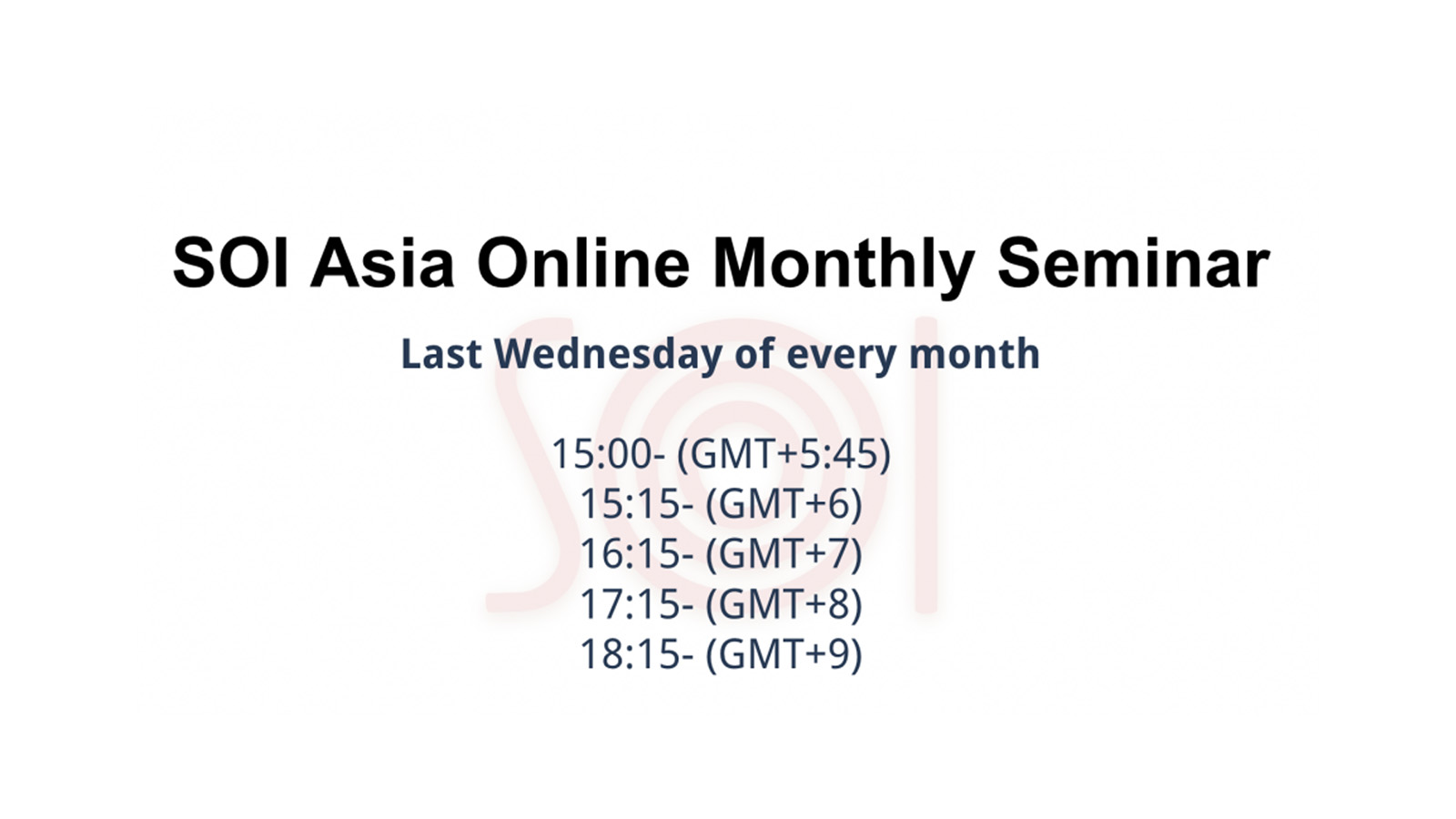
Monthly Seminars are online gatherings consisting of the following: ・Share updates from each member site. ・Share each site’s knowledge and explore the possibility of collaboration within the community.
Schedule of the AI³ SOI Asia Monthly Online Seminar:
Last Wednesday of every month
Target: Faculty members, staff, and students of AI³ /SOI Asia community Time: (60 – 90 min) ・ 3:15 P.M.- (GMT + 6) ・ 4:15 P.M.- (GMT + 7) ・ 5:15 P.M.- (GMT + 8) ・ 6:15 P.M.- (GMT + 9)
AI³ SOI Asia Monthly Online Seminar Schedule is as follows.:
SOI Asia started online gatherings during the COVID pandemic, to keep the community united and ensure that information was shared smoothly. In the 52nd AI³ & SOI Asia Joint Meeting (2021), members decided that this kind of gathering should be held monthly and named it AI³ & SOI Asia Monthly Seminar since October 2021. (For more details, please refer to the meeting summary report.)